Last Updated on 22/04/2025 by Admin
Exploring the Detailed Anatomy of the Ear and Jaw
Understanding the Structural and Functional Aspects of the Ear
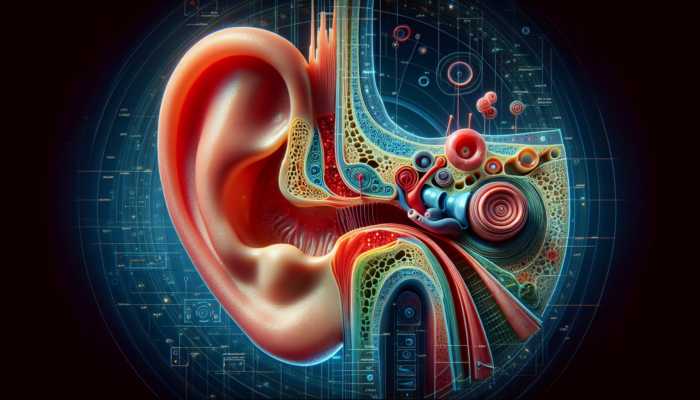
The ear stands out as an extraordinarily complex organ, expertly crafted to facilitate both hearing and balance. It consists of three essential sections: the outer ear, the middle ear, and the inner ear. Each of these segments has a crucial role to play in the auditory process. The outer ear, which includes the pinna and ear canal, effectively captures sound waves and directs them towards the eardrum. This membrane vibrates in response to incoming sounds, which are then transmitted to the middle ear. Inside this region, three tiny bones, known as the ossicles, amplify these vibrations before sending them onward to the inner ear, where the conversion of sound energy into neural signals occurs.
Within the intricate structure of the inner ear lies the cochlea, a spiral-shaped organ that transforms these vibrations into electrical impulses for the brain. This conversion is essential for interpreting sounds accurately. Moreover, the inner ear contains the vestibular system, which is integral for maintaining balance and spatial orientation. The close anatomical relationship between the ear and the jaw, particularly the temporomandibular joint (TMJ), is especially noteworthy. Disruptions in one area can trigger a cascade of effects in the other, leading to various health complications. Gaining insight into this intricate system is critical for further investigating the relationship between ear health and jaw alignment.
Examining the Mechanics of the Jaw
The jaw, or mandible, is not merely a static bone structure; it operates dynamically, playing a pivotal role in essential functions such as chewing, speaking, and conveying facial expressions. The mandible connects to the skull at the temporomandibular joint (TMJ), a sophisticated joint that facilitates various movements, including hinging, sliding, and rotating. This flexibility is indispensable for daily activities like eating and communicating, significantly enhancing overall quality of life.
The mechanics of the jaw also have profound implications for both the structure and function of the face. Proper alignment can improve both aesthetic appeal and functional capabilities, whereas misalignment may result in a host of issues. Problems associated with jaw mechanics can manifest not only in the jaw itself but also in adjacent structures, including the ears. The interconnected musculature and nerve pathways between the jaw and ear indicate that misalignment can lead to symptoms such as ear pain or tinnitus. Understanding these jaw mechanics is essential for recognising their influence on ear health and contributing to the relationship between ear health and jaw alignment.
Examining the Interconnected Dynamics of Ear and Jaw Health
The close anatomical connection between the ear and jaw creates intricate interactions between these two systems. Issues arising in the jaw can lead to discomfort and dysfunction radiating to the ear, while conditions affecting the ear may present symptoms related to the jaw. For instance, individuals suffering from temporomandibular joint disorders (TMD) frequently report experiencing ear pain, often described as a feeling of fullness or pressure in the ear.
This interconnectedness underscores the necessity for a multidisciplinary approach when addressing health concerns. For example, if a patient presents with ear pain and no identifiable ear pathology is found, a comprehensive examination of dental health and jaw alignment may uncover underlying issues. The muscles responsible for chewing and those supporting ear function are interconnected, highlighting the importance of addressing both areas in treatment. As we delve deeper into the relationship between ear health and jaw alignment, it becomes increasingly clear that a thorough understanding of these systems is vital for effective diagnosis and treatment.
Identifying Symptoms and Conditions Related to Ear and Jaw Health

Recognising Conditions Related to Ear Health
Symptoms associated with ear health often extend beyond the ear itself, as conditions like tinnitus, hearing loss, and ear pain frequently correlate with jaw misalignment. Tinnitus, characterised by a persistent ringing or buzzing sound in the ears, can originate from various sources, including complications within the auditory system and dysfunction in the jaw. Research indicates that individuals with TMD often experience elevated instances of tinnitus, demonstrating a clear connection between these two conditions.
Furthermore, hearing loss may also be impacted by jaw alignment. The functionality of the middle ear is intricately linked to the TMJ; dysfunction in this joint can disrupt the ossicular chain, leading to diminished auditory sensitivity. Additionally, ear pain—a common concern for patients—may be misdiagnosed if the underlying cause is not thoroughly explored. Often, jaw misalignment may be the hidden instigator behind what appears to be an isolated ear issue. Understanding these connections is crucial for both patients and practitioners, as it highlights the necessity for a holistic approach in treating symptoms related to the relationship between ear health and jaw alignment.
Gaining Insight into Jaw Disorders and Their Effects
Temporomandibular disorders (TMD) encompass a wide range of conditions that affect the jaw joint and surrounding musculature. Symptoms can vary greatly, presenting as jaw pain, clicking sounds during movement, or challenges in opening and closing the mouth. These disorders can significantly impact ear health, often resulting in referred pain to the ear or a sensation of fullness within the ear.
The association between TMD and ear health underscores the need for thorough evaluation. For example, an individual experiencing persistent ear pain may spend a considerable amount of time consulting otolaryngologists, only to discover that their symptoms arise from jaw mechanics rather than an ear-related condition. Misalignment of the jaw can exert excessive pressure on the TMJ, leading to inflammation and pain radiating to the ear. Thus, recognising jaw disorders is fundamental to understanding their potential impacts on ear health, reinforcing the importance of considering the connection between ear health and jaw alignment during patient assessments.
Effectively Navigating Overlapping Symptoms
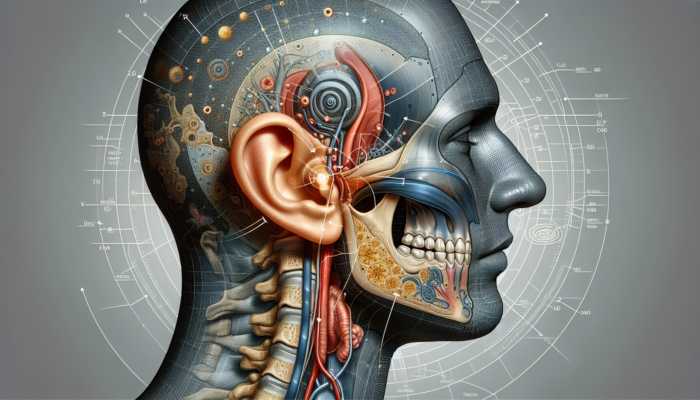
Patients experiencing symptoms related to both their ears and jaws often present a diagnostic challenge. The overlapping nature of these symptoms highlights the interconnectedness of the two systems. For instance, an individual with jaw pain may also report ear discomfort or a feeling of pressure, indicating a potential connection that warrants thorough exploration. This co-occurrence can lead to misdiagnosis, as healthcare providers may focus on one area without considering the implications for the other.
A multidisciplinary approach is vital when addressing overlapping symptoms. Collaboration among dental professionals and otolaryngologists can provide a comprehensive understanding of these symptoms. This synergy is particularly essential in formulating treatment plans, as addressing both dental and auditory health can significantly enhance patient outcomes. Raising awareness of the potential overlap between ear and jaw symptoms promotes a more holistic approach to healthcare, emphasising the importance of recognising the connection between ear health and jaw alignment in clinical practice.
Managing Head and Neck Pain Related to Jaw Issues
Chronic pain in the head and neck areas can frequently be traced back to jaw misalignment, which may lead to ear-related symptoms. Conditions such as TMD can create tension in the muscles of the jaw, neck, and even the face. This tension may manifest as headaches, neck pain, or discomfort in the ear, establishing a cycle of pain that can be difficult to cease.
Understanding the broader implications of head and neck pain is vital for effective treatment. Many patients may not realise that addressing jaw misalignment can alleviate symptoms that seem unrelated, such as ear pain or chronic headaches. Healthcare providers must adopt a comprehensive approach to assessment and treatment, recognising the potential for jaw-related issues to influence overall health. By embracing the interconnected nature of these areas, practitioners can better serve their patients and highlight the relationship between ear health and jaw alignment in discussions about pain management strategies.
Implementing Effective Diagnostic Strategies for Ear and Jaw Health
Leveraging Medical Imaging for Accurate Diagnoses
Medical imaging technologies, such as MRI and CT scans, are invaluable tools for diagnosing conditions that affect both the ear and jaw. These advanced imaging techniques provide detailed visualisations capable of revealing structural abnormalities, such as misalignments or degenerative changes in the TMJ or ear structures. MRI is particularly effective for assessing soft tissue complications, allowing clinicians to visualise the disc within the TMJ and any inflammation or damage that may be present.
Conversely, CT scans excel in providing high-resolution images of bony structures, making them ideal for identifying issues related to jaw alignment and ear anatomy. The combination of these imaging modalities enhances diagnostic accuracy, facilitating a comprehensive understanding of the patient’s condition. By utilising medical imaging alongside clinical evaluations, healthcare professionals can better elucidate the connection between ear health and jaw alignment, ultimately leading to more targeted treatment strategies and improved patient outcomes.
Recognising the Significance of Clinical Examinations in Diagnosis
Clinical examinations form a foundational aspect of diagnosing conditions associated with ear and jaw health. A comprehensive physical examination involves evaluating the patient’s medical history, meticulously inspecting the jaw and ear regions, and performing functional tests to assess movement and levels of discomfort. During this process, healthcare providers can identify signs of TMD, such as restricted jaw mobility or tenderness in the masticatory muscles.
Furthermore, evaluating auditory function is also critical within this framework. A thorough assessment may include hearing tests to determine if any auditory deficits are present. This combination of assessments enables clinicians to correlate findings from both the ear and jaw, providing insights into how these areas may influence one another. Recognising the importance of clinical examinations in uncovering the link between ear health and jaw alignment emphasises the necessity for a multifaceted approach to healthcare.
Highlighting the Need for Multidisciplinary Assessments for Comprehensive Care
The complexity of the relationship between ear health and jaw alignment demands a multidisciplinary approach to assessment and treatment. Collaboration among otolaryngologists, dentists, and various other healthcare professionals is crucial for achieving a comprehensive diagnosis. By pooling their expertise, specialists can consider all potential factors influencing a patient’s condition, resulting in more effective management strategies.
For instance, a patient presenting with ear pain may benefit from evaluations by both an ENT specialist and a dentist to identify any underlying jaw issues. This collaborative model not only enhances diagnostic accuracy but also encourages a more holistic understanding of the patient’s health. As interdisciplinary studies continue to develop, recognising the relationship between ear health and jaw alignment in healthcare will become increasingly important, paving the way for advancements in patient care.
Understanding the Role of Audiometric Testing in Diagnosis
Audiometric testing plays a vital role in the diagnostic process for conditions affecting ear health. These tests evaluate a patient’s hearing capabilities and can help identify auditory issues related to both ear and jaw conditions. For example, a comprehensive audiometric assessment may reveal patterns of hearing loss that correlate with jaw misalignment or TMD.
In situations where patients present with both ear and jaw symptoms, audiometric testing provides valuable insights into the functionality of the auditory system. Understanding the interplay between these two systems is vital for effective diagnosis and treatment. By incorporating audiometric testing into the assessment process, healthcare providers can better elucidate the link between ear health and jaw alignment, leading to more targeted interventions that address the root causes of symptoms.
Utilising Electrophysiological Studies for In-Depth Analysis
Electrophysiological studies are advanced diagnostic techniques that measure nerve and muscle function, offering critical insights into disorders affecting both the ear and jaw. These tests, which may include electromyography (EMG) or nerve conduction studies, can help assess the functionality of the muscles involved in chewing as well as those associated with hearing.
In patients with TMD, for instance, EMG can disclose abnormal muscle activity that may contribute to ear-related symptoms. By analysing the electrical activity of muscles and nerves, these studies provide a deeper understanding of how dysfunction in one area can lead to cascading issues in another. Emphasising the relevance of electrophysiological studies reinforces the importance of recognising the link between ear health and jaw alignment when developing effective treatment plans tailored to individual patient needs.
Exploring Treatment Strategies for Ear and Jaw Health Conditions
Implementing Conservative Treatments for Effective Relief
For many patients experiencing symptoms related to both ear health and jaw alignment, conservative treatments offer a practical first line of defence. These methods aim to alleviate discomfort and restore function without resorting to invasive procedures. Physical therapy, for example, can be highly effective in addressing muscle tension and improving jaw mobility. Through targeted exercises, patients learn to strengthen and relax the muscles associated with the jaw, thereby reducing strain that may affect ear health.
Moreover, medications, including anti-inflammatory drugs and muscle relaxants, can play a pivotal role in managing pain and discomfort related to TMD and ear conditions. By carefully considering the specific symptoms and underlying causes, healthcare providers can tailor treatment plans that address both ear and jaw health. This holistic approach underscores the importance of recognising the relationship between ear health and jaw alignment when devising effective treatment strategies that prioritise patient comfort and quality of life.
Exploring Dental Interventions for Enhanced Health
Dental interventions serve as essential components of treatment for individuals experiencing issues related to jaw alignment and ear health. Orthodontic treatments, such as braces or aligners, can correct misalignment of the jaw and potentially alleviate associated ear symptoms. Additionally, dental appliances, such as splints or mouthguards, can be prescribed to relieve pressure on the jaw joint, minimising discomfort and reducing the risk of teeth grinding.
Collaborative efforts between dental and medical professionals are vital in these cases, ensuring a comprehensive approach to patient care. By addressing jaw alignment through dental interventions, practitioners can contribute to improved ear health and overall well-being. Emphasising the role of dental professionals in understanding the connection between ear health and jaw alignment highlights the necessity for a multidisciplinary strategy in effective treatment planning.
Considering Surgical Interventions for Persistent Conditions
In cases where conservative and dental interventions fail to provide relief, surgical options may become necessary. Surgical solutions can vary significantly, ranging from minimally invasive procedures to more extensive operations aimed at rectifying structural problems in the jaw or ear. For instance, arthroscopy can address TMJ dysfunction, allowing for the removal of damaged tissue or repositioning of the joint.
In severe cases involving chronic ear issues linked to jaw alignment, surgical intervention may be required to establish a more functional relationship between these two systems. While surgery is typically viewed as a last resort, it can offer significant benefits for patients enduring debilitating symptoms. By acknowledging the potential need for surgical options, healthcare providers can more effectively address the connection between ear health and jaw alignment and tailor treatment plans that align with patient needs and expectations.
Implementing Preventive Measures for Optimal Health
The Significance of Regular Health Check-ups
Routine check-ups with both dental and ENT professionals are essential for maintaining ear and jaw health. Regular visits facilitate the early detection of potential issues, which can prevent complications before they escalate. For instance, dental examinations can uncover signs of jaw misalignment or TMD, enabling timely interventions that may alleviate ear-related symptoms.
Similarly, ENT evaluations can identify auditory health concerns early on, ensuring that any overlapping symptoms are addressed before they lead to significant discomfort or dysfunction. Emphasising the importance of preventive care highlights the value of recognising the connection between ear health and jaw alignment in maintaining overall health and well-being.
Prioritising Oral Hygiene for Preventive Care
Maintaining good oral hygiene is fundamental to reducing the risk of developing jaw problems that can influence ear health. Poor oral hygiene may result in dental issues such as cavities and gum disease, which can affect jaw alignment and function. Additionally, untreated dental problems can create imbalances in the jaw that contribute to TMD and related symptoms.
Encouraging patients to prioritise their oral health through regular brushing, flossing, and dental visits can help prevent the onset of conditions that may affect both the jaw and ears. By emphasising the importance of proper oral hygiene practices, healthcare providers can reinforce the significance of recognising the connection between ear health and jaw alignment in promoting holistic health.
Making Lifestyle Changes for Healthier Outcomes
Implementing lifestyle changes can profoundly impact both ear and jaw health. For instance, avoiding habits such as teeth grinding or clenching can relieve unnecessary stress on the jaw joint and minimise discomfort that may radiate to the ear. Furthermore, maintaining a balanced diet rich in nutrients supports overall health, including the structures associated with hearing and jaw function.
Incorporating stress management techniques, such as mindfulness and relaxation exercises, can also be beneficial. Stress can exacerbate muscle tension and contribute to jaw-related issues, leading to ear-associated symptoms. By encouraging patients to embrace healthy habits, healthcare providers empower them to take charge of their well-being and recognise the connection between ear health and jaw alignment in their daily lives.
Utilising Protective Gear to Prevent Injuries
Employing protective gear can help prevent injuries to both the jaw and ear during activities that pose a risk. For instance, wearing mouthguards during contact sports can reduce the likelihood of dental injuries and jaw misalignments. Similarly, utilising ear protection in noisy environments can safeguard hearing health and prevent damage to the auditory system.
Promoting the use of protective gear underscores the importance of proactive measures in preserving ear and jaw health. By emphasising the need for safety during high-risk activities, healthcare professionals contribute to a greater awareness of the connection between ear health and jaw alignment, ultimately supporting patient well-being and reducing the incidence of related health issues.
Understanding the Impact on Quality of Life
Overcoming Communication Barriers Related to Ear and Jaw Health
Addressing ear and jaw health is essential for effective communication. Individuals experiencing ear issues, such as hearing loss or tinnitus, may struggle to engage in conversations, leading to feelings of frustration and isolation. Likewise, jaw-related problems can affect speech clarity, further complicating interpersonal interactions.
The interplay between these two areas can significantly impact a person’s social and professional life. Individuals may withdraw from social situations due to embarrassment or discomfort, ultimately reducing their quality of life. Acknowledging the interconnectedness of ear and jaw health reinforces the importance of addressing both systems to promote effective communication and overall well-being. Understanding the connection between ear health and jaw alignment is crucial for healthcare providers aiming to support patients in maintaining healthy relationships and fulfilling lives.
Managing Pain and Discomfort Effectively
Chronic pain stemming from ear and jaw issues can severely impact daily life. Individuals may experience persistent discomfort that limits their ability to engage in regular activities, from eating and speaking to participating in hobbies and social engagements. This pain can create a cycle of frustration, negatively affecting mental health and overall well-being.
Moreover, the ramifications of pain can extend beyond physical discomfort. Individuals may feel anxious or depressed as a result of the ongoing nature of their symptoms, leading to further complications in their lives. Recognising the significant impact of pain on quality of life emphasises the need for a comprehensive understanding of the connection between ear health and jaw alignment, enabling healthcare providers to offer targeted support that addresses both physical and emotional well-being.
Understanding the Psychological Effects of Chronic Conditions
The psychological effects of chronic ear and jaw issues cannot be overlooked. Persistent symptoms can lead to increased stress and anxiety, as individuals grapple with the uncertainty surrounding their conditions and the limitations they impose on their lives. Feelings of helplessness and frustration may arise, resulting in a diminished quality of life.
Additionally, social withdrawal due to communication challenges or pain can amplify feelings of isolation. Understanding the psychological ramifications of these conditions is essential for healthcare providers, as it underscores the necessity for a holistic approach to treatment that takes into account both physical and mental health. By recognising the connection between ear health and jaw alignment, practitioners can better support their patients in navigating the complexities of their experiences and fostering resilience in the face of adversity.
Addressing Sleep Disturbances Linked to Ear and Jaw Conditions
Conditions affecting ear and jaw health can significantly disrupt sleep patterns, leading to fatigue and decreased quality of life. Individuals with TMD may struggle to find comfortable sleeping positions, while those experiencing ear pain or discomfort may find it difficult to fall or stay asleep.
Sleep disturbances can result in a range of negative consequences, including increased irritability, difficulty concentrating, and impaired cognitive function. The interplay between ear and jaw conditions necessitates a comprehensive understanding of how these issues can impact sleep, enabling healthcare providers to develop targeted interventions that promote restorative rest. By addressing the connection between ear health and jaw alignment, practitioners can enhance their patients’ overall quality of life and support better sleep habits.
Future Research Directions in Ear and Jaw Health
Embracing Technological Innovations for Improved Outcomes
The future of diagnostic and treatment approaches for conditions affecting ear and jaw health appears promising, thanks to rapid technological advancements. Emerging technologies, such as artificial intelligence and machine learning, present new opportunities for enhancing diagnostics and tailoring treatment plans. For instance, AI-driven imaging analysis may improve the accuracy of detecting structural abnormalities in the jaw and ear, leading to more effective interventions.
Moreover, telemedicine technologies are increasingly being utilised to provide remote consultations and follow-ups, making healthcare more accessible to individuals in underserved areas. Exploring the role of technology in addressing the connection between ear health and jaw alignment offers exciting opportunities for enhancing patient care and outcomes, paving the way for more efficient and effective treatment strategies.
Advancing Interdisciplinary Research for Comprehensive Insights
The significance of interdisciplinary research cannot be overstated when investigating the relationship between ear health and jaw alignment. Studies that amalgamate insights from dentistry, otolaryngology, and other relevant fields can yield new understandings of how these two areas interact. Collaborative studies may unveil novel connections, leading to more targeted treatment approaches and improved patient outcomes.
As the scientific community continues to emphasise the importance of interdisciplinary collaboration, healthcare providers can better address the complexities of conditions affecting both ear and jaw health. Recognising and exploring the connection between ear health and jaw alignment within the context of interdisciplinary research will pave the way for advancements in patient care and foster a more comprehensive understanding of these interconnected systems.
Enhancing Public Awareness for Improved Health Outcomes
Increasing public awareness about the relationship between ear health and jaw alignment is crucial for promoting early intervention and preventive care. Educational initiatives aimed at both healthcare professionals and the general public can help foster a better understanding of how these systems interact and the importance of seeking comprehensive care.
By raising awareness, individuals may become more inclined to recognise symptoms that require attention, empowering them to pursue appropriate evaluations and treatment. Public health campaigns highlighting the connection between ear health and jaw alignment can encourage proactive health management and ultimately lead to improved outcomes for patients experiencing related conditions.
Frequently Asked Questions (FAQs)
How are ear health and jaw alignment interconnected?
The close anatomical relationship between the ear and jaw signifies that issues in one area can significantly affect the other. Misalignment of the jaw can lead to symptoms such as ear pain or tinnitus, highlighting the interconnected nature of these systems.
Can jaw issues lead to ear pain?
Yes, jaw problems, particularly temporomandibular disorders (TMD), can result in ear pain or a sensation of fullness in the ear. This occurs due to shared musculature and nerve pathways between the jaw and ear.
What preventive measures can I adopt for ear and jaw health?
Maintaining good oral hygiene, scheduling regular check-ups with dental and ENT professionals, and managing stress are effective strategies to prevent issues related to ear and jaw health.
What treatments are available for TMD-related ear symptoms?
Treatment options may include physical therapy, dental interventions such as orthodontics or splints, and, in severe cases, surgical solutions. A multidisciplinary approach is often necessary for effective management.
Is there a connection between tinnitus and jaw alignment?
Yes, studies demonstrate that individuals with TMD frequently report experiencing tinnitus. Misalignment of the jaw can lead to auditory system dysfunction, contributing to this condition.
How can lifestyle changes improve ear and jaw health?
Lifestyle adjustments, such as avoiding teeth grinding, maintaining a balanced diet, and practising stress management techniques, can significantly enhance both ear and jaw health.
What role does medical imaging play in diagnosing ear and jaw issues?
Medical imaging techniques like MRI and CT scans provide detailed insights into structural abnormalities, aiding healthcare providers in accurately diagnosing conditions affecting both the ear and jaw.
Can physical therapy assist with ear and jaw problems?
Yes, physical therapy can help alleviate muscle tension and improve jaw function, which may, in turn, relieve ear-related symptoms associated with TMD or jaw misalignment.
Are surgical options effective for treating ear and jaw disorders?
In cases where conservative treatments fail, surgical options can be effective in correcting structural problems in the jaw or ear, leading to significant symptom relief for patients.
Why is multidisciplinary care essential for ear and jaw health?
Multidisciplinary care ensures that all aspects of a patient’s condition are considered, allowing for a comprehensive approach to diagnosis and treatment that addresses the interconnected nature of ear and jaw health.
Explore our journey on X!
The post Ear Health and Jaw Alignment: Understanding the Connection appeared first on The Microsuction Ear Wax Removal Network.
Originally posted 2025-04-23 03:12:27.
The post Ear Health and Jaw Alignment: Exploring Their Link appeared first on Healthcare Marketing Service.