Categories
Health & Wellness Hearing Issues

Stress and Hearing Problems: Exploring Their Connection

Exploring the Physiological Impact of Stress on Your Hearing Health

Understanding the Effect of Stress Hormones on the Auditory System

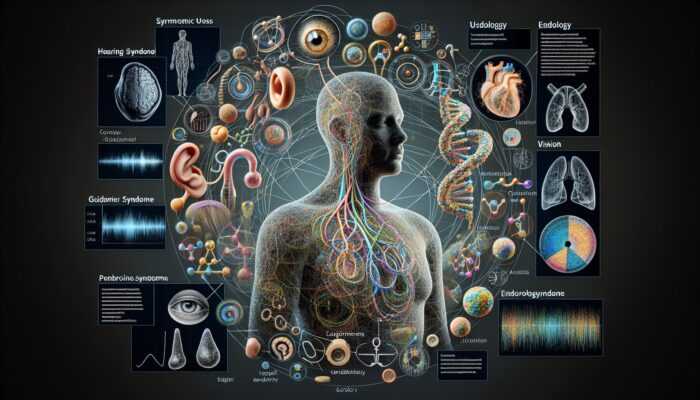
Anatomical illustration of inner ear with disrupted blood flow due to high cortisol levels, showing stress impact on hearing.

The complex relationship between stress and hearing health arises from the various physiological changes our bodies undergo in response to stress. Central to this relationship are stress hormones, particularly cortisol, which plays a significant role in how our bodies react to challenging situations. When we experience elevated levels of stress, cortisol is released into the bloodstream, initiating a series of physiological responses, including alterations in blood flow. The inner ear, a vital organ for hearing, requires a consistent and healthy blood supply to function optimally. Any disruption to this essential flow may exacerbate pre-existing hearing conditions or even trigger new auditory issues, underscoring the importance of understanding how to manage stress effectively for the benefit of our auditory health.

Research has shown a direct connection between prolonged exposure to elevated cortisol levels and the onset of conditions such as sensorineural hearing loss. This specific type of hearing loss originates from complications within the inner ear or auditory nerve and can be aggravated by reduced blood circulation and increased stress levels. Individuals residing in high-stress environments—such as bustling urban settings or high-pressure work situations—are particularly at risk for developing hearing complications as a result of these hormonal fluctuations. This highlights the critical need to address stress management as a proactive measure to protect and preserve auditory health.

The auditory system exhibits a heightened sensitivity to stress-induced alterations. For example, the cochlea, a crucial part of the inner ear, is vulnerable to fluctuations in blood flow, which can result in both temporary and permanent damage when stress becomes chronic. The broader implications of these dynamics are far-reaching, affecting not just individuals but also entire communities situated in high-stress environments like Tokyo, New York, or São Paulo. Understanding these interactions is vital for developing effective strategies to support hearing health in populations experiencing significant stressors.

The Effects of Muscle Tension on Hearing Health

Physical manifestations of stress often present as muscle tension, which can have severe repercussions on hearing health. Chronic stress results in sustained tension in the muscles surrounding the ears and jaw, potentially aggravating existing hearing difficulties. This muscle tension can lead to a range of symptoms, from discomfort and pain to the onset of tinnitus—a persistent ringing or buzzing sound within the ears. Recognising these physical symptoms is essential for addressing the underlying causes of hearing challenges.

The link between muscle tension and hearing impairment is well-established; numerous studies indicate that individuals with increased muscle tension frequently report a decline in hearing sensitivity. In bustling urban environments like Mumbai, where urban noise pollution adds to stress levels, the combination of external noise and internal muscle strain creates an environment that is conducive to hearing deterioration. It is crucial for individuals to understand how stress-induced muscle tension can impact their auditory health and to adopt proactive measures to mitigate these effects effectively.

Moreover, the consequences of muscle tension on auditory problems extend beyond mere discomfort. Tensed muscles can impede the functionality of the Eustachian tube, leading to imbalances in pressure within the ear. Such imbalances can significantly compromise hearing acuity, making it imperative for individuals to recognise and address signs of stress-related muscle tension promptly. By increasing awareness and implementing timely interventions, individuals can enhance their overall auditory well-being and prevent further complications.

How Stress Heightens Sensitivity to Noise

In a world filled with auditory stimuli, elevated stress levels can intensify sensitivity to sound, amplifying existing hearing issues. Individuals experiencing significant stress may find themselves easily overwhelmed by background noises, worsening conditions like hyperacusis, which is characterised by an increased sensitivity to normal environmental sounds. This reaction highlights the necessity of comprehending the psychological ramifications of stress on auditory perception.

This heightened sensitivity can be particularly problematic in densely populated areas where ambient noise levels are consistently elevated. Cities such as London or Hong Kong, known for their vibrant yet chaotic atmospheres, present unique challenges for those under stress. Rather than adapting to their auditory surroundings, stressed individuals may respond more acutely, leading to anxiety and complicating their existing hearing challenges. Understanding this response is essential for the development of effective coping strategies.

The interaction between stress and noise sensitivity can obstruct effective communication, prompting individuals to withdraw from social interactions due to discomfort with auditory overload. This withdrawal can foster feelings of isolation, which in turn negatively impacts mental well-being. It is vital to advocate for personal strategies to manage stress and implement broader societal initiatives aimed at reducing environmental noise pollution in order to support those grappling with hearing challenges.

The Connection Between Sleep Disruptions and Hearing Functionality

A person in bed, awake, with abstract sound waves and disrupted sleep pattern, illustrating stress effects on hearing.

Obtaining quality sleep is essential for maintaining overall health, including optimal auditory function. However, stress frequently disrupts sleep patterns, leading to lasting implications for hearing recovery and overall health. Sleep serves as a critical period for bodily repair, including the restoration of the auditory system. When stress interferes with sleep, it undermines these restorative processes, potentially worsening hearing issues over time.

Research indicates that individuals dealing with chronic stress often report significantly poorer sleep quality, which in turn adversely affects cognitive functions and auditory processing abilities. In today’s fast-paced global context, the demands of modern life exacerbate these challenges, resulting in sleep-related hearing complications. For example, professionals working in high-pressure roles in cities like Sydney or Los Angeles may find that their inability to achieve restorative sleep due to stress negatively impacts their capacity to comprehend sounds and speech throughout the day.

Furthermore, the relationship between sleep and hearing is bidirectional; inadequate hearing can also lead to sleep disturbances, creating a complex interplay that necessitates careful management. Thus, implementing effective rest through stress management techniques is crucial for preserving hearing health. Understanding this interrelationship can encourage individuals to prioritise both sleep and stress reduction in their overall wellness strategies.

The Role of the Immune System in Maintaining Ear Health Amid Stress

The immune system plays a crucial role in protecting ear health, and chronic stress can significantly undermine its efficacy. When the body is exposed to continuous stress, it prioritises survival mechanisms, diverting resources away from vital functions like immune defence. This shift can result in an increased susceptibility to ear infections, which are known to negatively impact hearing.

Across the globe, communities enduring prolonged stress—whether due to socio-economic conditions, conflicts, or environmental factors—often encounter higher rates of auditory issues linked to weakened immune responses. For instance, populations in war-torn regions or those struggling with economic difficulties frequently face increased rates of infections that can culminate in hearing loss. This underscores the importance of adopting holistic health approaches that integrate stress management and immune support.

Recognising the connection between immunity and hearing health highlights the necessity for individuals to incorporate stress management into their overall wellness strategies. By strengthening their immune systems through lifestyle changes and effective stress reduction techniques, individuals can better safeguard their auditory health against the detrimental effects of infections and inflammation.

Investigating the Psychological Aspects of Hearing Health

The Impact of Anxiety on the Perception of Hearing Loss

A person in a bustling city, covering ears, overwhelmed by anxiety and distorted sound waves representing heightened perception of hearing loss.

The psychological interplay between anxiety and hearing health is profound, often resulting in an exaggerated perception of hearing loss. Individuals experiencing anxiety may misinterpret their auditory experiences, leading them to believe their hearing abilities are diminished beyond reality. This misperception can create a self-fulfilling prophecy, where anxiety amplifies the actual hearing difficulties faced by the individual.

Globally, this phenomenon is widespread across various cultures, where societal expectations and pressures can heighten anxiety levels. In fast-paced urban environments, the relentless pursuit of performance can cause individuals to become overly critical of their hearing capabilities, which results in increased anxiety and stress. Addressing this perception of hearing loss is crucial for enhancing overall health and well-being.

Cognitive Behavioral Therapy (CBT) has proven effective in assisting individuals in managing anxiety related to their hearing health. By reframing negative thought patterns and reshaping their understanding of auditory health, individuals can alleviate anxiety and improve their quality of life. It is essential to integrate psychological support into hearing care to foster resilience and enhance outcomes.

Moreover, forming supportive networks within communities can help reduce anxiety associated with hearing loss. Educational initiatives centred on hearing health can create an environment where individuals feel encouraged to share their experiences and learn from one another, fostering a culture of empathy and understanding.

Cognitive Overload Resulting from Stress

Elevated stress levels can lead to cognitive overload, profoundly impairing the brain’s capacity to process auditory information. When individuals are overwhelmed by stressors, their ability to focus on sounds diminishes, making it increasingly challenging to engage in conversations or understand speech. This phenomenon is particularly detrimental in social contexts where auditory cues are essential for interaction.

In high-stress environments, such as South Africa or Brazil, individuals may find their auditory processing capabilities compromised. The cacophony of daily life, coupled with cognitive overload, can create barriers to effective communication, resulting in frustration and feelings of isolation. Addressing these challenges is essential for enhancing auditory health in stressed populations.

Research indicates that stress can negatively impact working memory, a critical component for following conversations and processing complex auditory inputs. For many individuals, this decline in cognitive function leads to withdrawal from social interactions, as they feel overwhelmed or incapable of engaging in verbal exchanges. Effective stress management strategies, such as mindfulness and relaxation techniques, can help individuals regain cognitive clarity and improve auditory processing, ultimately enhancing their social experiences.

The Impact of Emotional Distress on Hearing Aid Usage

Emotional distress can create significant barriers to the effective use of hearing aids, complicating the challenges associated with hearing loss. Individuals experiencing stress or anxiety may hesitate to wear hearing aids, fearing stigma or unwanted attention regarding their auditory difficulties. This reluctance can lead to a detrimental cycle, where the absence of auditory amplification exacerbates feelings of isolation and frustration.

Globally, perceptions surrounding hearing aids vary considerably. In some cultures, wearing hearing aids carries a stigma that contributes to emotional distress for those who require them. This stigma may prevent individuals from seeking the assistance they need, further deteriorating their auditory health and overall well-being. Addressing these emotional aspects is vital for enhancing acceptance and outcomes related to hearing aids.

Audiologists and hearing care professionals play an essential role in providing compassionate support and counselling to encourage the acceptance of hearing aids. Community education initiatives can also help normalise the use of hearing aids, fostering a more inclusive atmosphere for individuals experiencing hearing loss. Creating supportive environments where individuals feel comfortable discussing their hearing challenges can alleviate emotional distress and promote better utilisation of hearing aids.

The Effects of Depression on Auditory Processing

Depression can severely hinder auditory processing, complicating an individual’s ability to comprehend speech and sounds. Those grappling with depression often experience cognitive deficits that impede their capacity to interpret auditory information effectively. This situation creates a frustrating feedback loop, where difficulties in hearing lead to social withdrawal, further exacerbating depressive symptoms.

Research suggests that individuals in regions facing economic instability or social challenges, such as parts of Eastern Europe or South America, may encounter higher rates of both depression and auditory processing issues. The intersection of these challenges underscores the urgent need for comprehensive approaches that address both mental health and hearing care.

Treatment strategies that simultaneously tackle auditory processing and emotional health are crucial for effective care. Multi-disciplinary approaches involving audiologists, psychologists, and mental health professionals can provide holistic support that addresses the complex needs of individuals struggling with both hearing loss and mental health challenges. Furthermore, community support systems can empower individuals to seek help by fostering a culture of understanding and empathy.

The Connection Between Social Isolation and Hearing Decline

Social isolation is a significant factor that accelerates hearing decline, especially among individuals dealing with stress. When people withdraw from social interactions due to hearing challenges, they miss critical auditory stimulation that is essential for preserving hearing capabilities. This isolation can lead to decreased cognitive engagement, further compounding hearing difficulties.

Worldwide, social isolation is a pressing issue, particularly among ageing populations or communities facing socio-economic challenges. In rural areas of India or remote regions of Canada, individuals frequently struggle with limited access to auditory health resources and social support, resulting in accelerated hearing decline. Strategies to combat this trend are vital for enhancing social connections and auditory health.

Fostering social connections is essential in mitigating the effects of isolation. Community programmes that encourage interaction among individuals with hearing loss can significantly enhance overall well-being. Additionally, leveraging technology, such as video conferencing and social media, can provide virtual platforms for connection, allowing individuals to engage despite physical barriers. Education plays a pivotal role in reducing isolation; awareness campaigns highlighting the importance of social interaction for hearing health can motivate individuals to seek help and engage with their peers.

Investigating Lifestyle Factors Affecting Hearing Health

The Consequences of Sleep Deprivation on Auditory Function

The adverse effects of sleep deprivation on hearing health are profound and multifaceted. Chronic lack of sleep, frequently exacerbated by stress, can lead to significant auditory problems by impairing both auditory function and overall health. Sleep is a restorative process that is vital for cellular repair and maintaining cognitive functions, including auditory processing, making its quality imperative for hearing health.

Research has demonstrated that individuals who experience chronic sleep deprivation often report heightened hearing difficulties. Key physiological processes that support auditory health—including critical brain functions involved in sound interpretation—are adversely affected by inadequate rest. This connection underscores the necessity of prioritising sleep as a fundamental component of hearing health.

Globally, lifestyle factors contributing to sleep deprivation vary significantly. In bustling urban centres like Tokyo or New York, the demands of work and social life often compel individuals to sacrifice sleep, inadvertently harming their auditory health. In contrast, cultural practices that encourage rest in other regions may enhance sleep hygiene, leading to improved hearing outcomes.

To combat the negative effects of sleep deprivation on hearing, individuals should implement strategies that promote restorative sleep. Establishing a calming bedtime routine, minimising screen time before sleep, and managing stress levels can all contribute to enhanced sleep quality. By prioritising sleep as part of a comprehensive approach to hearing health, individuals can realise substantial benefits for their auditory function.

The Influence of Diet on Stress-related Hearing Issues

A well-balanced diet is crucial for overall health and plays a significant role in auditory function. Stress often leads individuals to make poor dietary choices, resulting in nutritional deficiencies that can adversely affect hearing health. Diets high in processed foods and sugars can contribute to inflammation, which is harmful to the auditory system and can exacerbate hearing problems.

Certain nutrients are particularly vital for maintaining auditory health. For example, omega-3 fatty acids are essential for reducing inflammation and supporting cellular function within the auditory system. Additionally, antioxidants found in fruits and vegetables help combat oxidative stress, which can damage hearing structures. Recognising the critical role of diet in auditory health is essential for tackling stress-related hearing issues.

Globally, dietary habits vary greatly, influencing hearing health in diverse ways. In Mediterranean regions, traditional diets rich in fish, nuts, and vegetables may lead to better hearing outcomes compared to the processed food-heavy diets prevalent in industrialised nations. Individuals seeking to improve their auditory health should prioritise a balanced diet that incorporates essential nutrients to mitigate the adverse effects of stress on dietary choices. Community initiatives that promote healthy eating can foster collective efforts to enhance overall health, including auditory function.

The Advantages of Exercise for Stress Management and Hearing Health

Regular exercise is a powerful tool for managing stress and, consequently, supporting hearing health. Engaging in physical activity has been shown to significantly reduce stress levels, elevate mood, and promote overall well-being. By alleviating stress, individuals can also mitigate its negative effects on hearing, making exercise an indispensable aspect of a healthy lifestyle.

The benefits of exercise extend beyond mere stress reduction. Physical activity enhances blood circulation, which is vital for delivering oxygen and nutrients to the inner ear. This improved circulation can foster auditory health and help combat the physical manifestations of stress on hearing. Emphasising the significance of regular exercise is crucial for sustaining optimal hearing function.

Globally, exercise practices differ widely, ranging from yoga in India to jogging in urban parks across Europe. Regardless of the form, incorporating consistent physical activity into one’s routine can yield substantial benefits for both mental and auditory health. Communities that advocate for active lifestyles and provide accessible exercise facilities can foster healthier populations and contribute to improved hearing health outcomes.

Individuals should aim to engage in at least 150 minutes of moderate exercise each week. Whether through group classes, outdoor activities, or solo workouts, discovering enjoyable ways to stay active can significantly impact stress management and hearing health. By prioritising physical activity, individuals can create a positive feedback loop that supports their overall well-being, including their auditory function.

Addressing Social and Environmental Factors

The Consequences of Social Isolation Due to Stress

Social isolation, often exacerbated by stress, presents significant risks to hearing health. Individuals experiencing elevated stress levels may withdraw from social engagements, resulting in a lack of auditory stimulation that is vital for maintaining hearing capabilities. This isolation can compound feelings of loneliness, creating a detrimental cycle that impacts both mental health and auditory function.

Globally, the ramifications of social isolation can be especially pronounced in certain communities. In many developing countries, individuals may lack access to hearing health resources, further isolating them when they experience hearing difficulties. The absence of social connections can accelerate auditory decline, as reduced interactions limit opportunities for cognitive engagement and auditory processing. Addressing this issue requires community-focused strategies that promote social interaction and connectivity.

Initiatives that connect individuals experiencing hearing loss with social networks can significantly enhance their overall well-being. Leveraging technology to facilitate communication can also bridge gaps for those unable to engage in person. Awareness campaigns that emphasise the importance of social interaction for hearing health can foster more supportive environments, encouraging inclusive practices that reduce the stigma surrounding hearing loss.

Understanding Environmental Noise Pollution and Its Effects on Stress

Environmental noise pollution can significantly heighten stress levels and negatively impact hearing health. Individuals living in high-noise areas may experience increased sensitivity to sounds, resulting in heightened stress and auditory discomfort. Understanding this relationship is crucial for effectively addressing hearing health and mitigating the influence of environmental factors.

Globally, urban centres are often characterised by elevated noise levels from traffic, construction, and social activities. In cities such as Mumbai or New York, the constant bombardment of sound can create an overwhelming atmosphere, contributing to increased anxiety and stress. These conditions can adversely affect mental health and lead to auditory decline over time, making it essential to consider strategies for noise reduction.

Individuals can implement sound management strategies to counteract the negative effects of environmental noise. Using noise-cancelling headphones, creating quiet personal spaces, and advocating for policies geared towards noise reduction can help alleviate stress. Community initiatives focused on reducing environmental noise can also promote healthier auditory environments, enhancing the well-being of residents.

Moreover, raising awareness about the impact of noise pollution on both mental and auditory health is crucial. By educating communities about the significance of quieter environments, individuals can become advocates for supportive spaces that promote overall health and well-being.

The Importance of Hearing Safety in the Workplace Amid Stress

High levels of workplace stress can lead to negligence regarding hearing protection, heightening the risk of auditory damage. In sectors such as construction, manufacturing, and entertainment, exposure to high decibel levels can severely impact hearing health. When stress levels rise, individuals may overlook essential safety protocols, resulting in long-term consequences for their auditory function.

Globally, workplace cultures differ, affecting the emphasis placed on hearing safety. In some regions, robust regulations and practices exist to safeguard workers from noise-induced hearing loss. Conversely, areas with limited resources or enforcement, like parts of Southeast Asia, may expose workers to substantial risks without adequate protection. Employers must prioritise stress management alongside occupational health to cultivate a culture of hearing safety.

Implementing regular training on hearing conservation, providing access to hearing protection, and fostering a supportive workplace environment can significantly reduce risks. Employees should also be encouraged to voice their needs regarding hearing protection and stress management. By creating open channels for dialogue, organisations can cultivate a culture of safety and well-being that ultimately contributes to better auditory health outcomes.

Exploring Medical and Therapeutic Approaches

Effective Techniques for Stress Management to Support Hearing Health

Implementing effective stress management techniques can significantly benefit hearing health. Strategies such as mindfulness, meditation, and deep breathing exercises empower individuals to manage stress, potentially enhancing their auditory well-being. These practices can lower cortisol levels and promote relaxation, improving overall health and supporting hearing function.

Globally, various cultures have developed unique approaches to stress management. For instance, in Japan, the practice of Shinrin-yoku or forest bathing emphasises the therapeutic benefits of nature, showcasing a powerful method for mitigating stress levels and enhancing both mental health and auditory function. Integrating these practices into daily routines can yield profound benefits for hearing health.

Individuals should explore diverse stress management techniques to discover what resonates most with them, whether it be yoga, tai chi, or mindfulness meditation. Community programmes offering workshops on stress reduction can provide resources and support for individuals seeking to enhance their well-being. By prioritising stress management in their daily lives, individuals can significantly improve their auditory health outcomes.

Medical Approaches for Managing Stress

While medical interventions for stress, including medications, can provide relief, they may also carry side effects that affect hearing health. Certain prescription drugs, particularly those impacting neurotransmitters, can have auditory consequences. It is essential for individuals to discuss potential side effects and hearing implications with their healthcare providers.

Globally, access to mental health resources varies significantly, affecting individuals’ options for effectively managing stress. In countries with comprehensive healthcare systems, individuals may have access to a variety of therapies and medications. However, in regions with limited resources, such as parts of Africa or Central America, individuals may face challenges in obtaining effective treatment for stress-related issues.

When considering medical interventions, individuals should carefully weigh the benefits against potential risks. Seeking guidance from healthcare professionals and audiologists can empower individuals to make informed decisions regarding stress management options that prioritise both mental health and auditory function. Additionally, educating individuals about the possible impact of medications on hearing can help them advocate for their health effectively.

The Crucial Role of Audiologists in Hearing Health

Audiologists are integral to addressing hearing challenges exacerbated by stress. These professionals provide expert guidance on auditory health, assisting individuals in navigating the complexities of hearing loss and its psychological components. By addressing both auditory and emotional aspects, audiologists can offer comprehensive care that enhances overall well-being.

Globally, access to audiological services varies, yet the demand for support remains universal. In developed countries, audiologists often collaborate with mental health professionals to provide holistic care, while individuals in underserved regions may lack access to such valuable resources. This highlights the necessity for increased awareness and support for hearing health initiatives.

Audiologists also deliver customised solutions for managing stress-related hearing loss. This may include counselling on hearing aid usage, strategies for coping with auditory overload, and recommendations for tailored stress management techniques. Community outreach initiatives can improve access to audiological services, empowering individuals to take charge of their auditory health and well-being.

The Advantages of Cognitive Behavioral Therapy for Hearing Health

Cognitive Behavioral Therapy (CBT) has gained recognition as an effective method for managing stress and anxiety, which may indirectly support hearing health. CBT focuses on altering negative thought patterns and fostering healthier coping mechanisms, assisting individuals in confronting the emotional challenges associated with hearing loss. This therapeutic approach can provide valuable tools for individuals seeking to enhance their mental well-being and auditory function.

Globally, the implementation of CBT varies, with accessibility influenced by cultural attitudes toward mental health. In some regions, such as Northern Europe, CBT is widely available and incorporated into healthcare systems. Conversely, in areas where mental health remains stigmatized, individuals may struggle to access these essential resources. Cultivating a culture of acceptance and understanding is crucial for improving access to therapeutic interventions.

For those experiencing stress and anxiety related to hearing loss, CBT can offer valuable tools for reframing perceptions and building resilience. Additionally, community programmes that provide CBT workshops can empower individuals to engage proactively with their mental health, promoting positive outcomes for both hearing and emotional well-being.

Nutritional Strategies to Support Stress Relief

A balanced diet rich in specific nutrients can significantly assist in stress reduction and overall well-being, including auditory function. Nutritional choices play a critical role in managing stress, as certain foods can influence cortisol levels and promote relaxation. Understanding the dietary factors that contribute to stress management is essential for maintaining auditory health.

Globally, dietary patterns vary widely, affecting individuals’ abilities to manage stress effectively. In cultures that prioritise fresh produce, whole grains, and healthy fats, individuals may experience lower stress levels and improved auditory health. In contrast, regions dominated by processed foods may see heightened stress levels and associated health challenges. Promoting holistic approaches to nutrition can foster overall health and well-being.

Individuals aiming to enhance their stress management through nutrition should focus on including foods rich in omega-3 fatty acids, antioxidants, and other vital nutrients. Building a diverse, nutrient-rich diet can not only support mental health but also contribute to improved auditory function. Community initiatives that promote healthy eating and nutritional education can play a vital role in fostering overall health and enhancing auditory outcomes.

Understanding the Cycle of Stress and Hearing Loss

How Stress Intensifies Hearing Loss

The connection between stress and hearing loss creates a vicious cycle, with each factor exacerbating the other. Stress can directly worsen hearing loss by impacting physiological processes that support auditory health, while hearing loss can lead to increased stress levels, further deteriorating overall well-being. This cycle is particularly pronounced in high-stress environments, where individuals may become increasingly susceptible to auditory issues.

Research indicates that individuals experiencing chronic stress often report heightened sensitivity to noise, potentially leading to increased discomfort and frustration in social scenarios. As stress levels escalate, the brain’s capacity to process auditory information diminishes, resulting in a context where hearing difficulties worsen. Understanding this dynamic is crucial for developing effective interventions that address both stress and auditory health simultaneously.

Globally, the implications of this cycle are significant. In densely populated urban environments, where stress levels tend to be elevated, individuals may find themselves trapped in a loop of stress and hearing decline. To break this cycle, individuals must prioritise stress management techniques alongside comprehensive hearing care. By fostering resilience and accessing resources such as counselling and audiological support, individuals can disrupt this negative feedback loop and improve their overall health.

The Relationship Between Hearing Loss and Increased Stress Levels

Conversely, hearing loss can significantly raise stress levels, creating a challenging dynamic that compounds the difficulties individuals face. The inability to communicate effectively can lead to feelings of frustration, isolation, and anxiety, exacerbating the impact of stress on overall health. This relationship underscores the importance of addressing both hearing health and stress management concurrently.

Globally, the stigma surrounding hearing loss can also contribute to heightened stress. Individuals may feel embarrassed or self-conscious about their hearing difficulties, leading to social withdrawal and increased anxiety levels. In cultures where communication is highly valued, the effects of hearing loss can be particularly pronounced, emphasising the need for supportive environments and open discussions around auditory health.

Addressing this aspect of the cycle requires a multifaceted approach. Encouraging open dialogues about hearing loss and fostering supportive environments can help individuals feel less isolated. Community initiatives aimed at raising awareness about auditory health and reducing stigma can foster greater acceptance and understanding. Providing access to resources such as hearing aids and audiological support can empower individuals to manage their hearing loss effectively, breaking free from the cycle of stress and auditory decline.

Strategies for Disrupting the Cycle

Breaking the cycle of stress and hearing loss necessitates a comprehensive approach that concurrently addresses both factors. Individuals must recognise the interplay between stress management and auditory health, actively seeking resources and support that facilitate positive outcomes. Strategies for interrupting this cycle include implementing stress management techniques, engaging in regular physical activity, and nurturing social connections.

Globally, communities can play a vital role in providing education and resources to support individuals facing stress and hearing challenges. Initiatives that promote awareness and understanding can empower individuals to seek assistance and embrace solutions that enhance both their mental health and auditory function. Healthcare professionals must adopt a holistic approach to care, acknowledging the interconnectedness of these factors to offer comprehensive support that enhances overall well-being.

The Importance of Professional Support in Managing Stress and Hearing Loss

Seeking professional assistance from audiologists and therapists can provide tailored solutions for effectively managing both stress and hearing loss. These professionals are equipped to address the complexities of auditory health and the psychological factors associated with stress. Their expertise can facilitate comprehensive care that promotes better outcomes for individuals.

Globally, access to audiological and mental health services varies significantly. In some regions, individuals may have robust access to multidisciplinary care, while in others, limitations may hinder their ability to receive essential support. Advocating for comprehensive services is crucial to ensure individuals can access the resources they need to improve their auditory health and overall well-being.

Audiologists can offer strategies for coping with hearing loss, while therapists provide tools for managing stress and anxiety. This collaborative approach enables individuals to tackle both aspects of their health effectively, fostering a comprehensive understanding of their unique challenges. Community initiatives that connect individuals with hearing health resources can enhance access to support and empower individuals to seek help for their auditory health needs.

Implementing Preventive Measures and Early Interventions

Effective Strategies for Reducing Stress to Support Hearing Health

Implementing effective strategies for stress reduction is pivotal in preventing the worsening of hearing problems. Individuals must prioritise self-care practices that promote relaxation and resilience against stress. Techniques such as mindfulness, yoga, and deep breathing exercises can contribute to lowering stress levels while simultaneously supporting auditory health.

Globally, the adoption of stress reduction practices varies. Cultures that emphasise wellness and holistic health approaches often provide more resources, while others may need to integrate these practices into daily life. Emphasising the importance of stress management across diverse communities can foster a broader understanding of its impact on hearing health.

Individuals should explore various stress reduction techniques to discover what resonates with them personally. By incorporating these practices into daily routines and prioritising self-care, individuals can enhance their overall well-being, thereby reducing the risk of compromising their auditory health. Community initiatives promoting wellness and stress management can create supportive environments that empower individuals to take charge of their health proactively.

The Significance of Regular Hearing Assessments

Regular hearing evaluations are essential for early intervention and preventing hearing issues exacerbated by stress. Individuals should prioritise routine audiological assessments to monitor their hearing health and address any concerns before they escalate into more significant problems. Proactive measures are crucial for maintaining auditory health and overall well-being.

Globally, access to audiological services varies, affecting individuals’ ability to seek routine assessments. In regions with limited healthcare resources, individuals may overlook the importance of hearing check-ups. Advocating for increased access to audiological care is vital for promoting auditory health across diverse communities, ensuring that everyone has the opportunity to maintain their hearing health effectively.

By prioritising regular assessments, individuals can stay informed about their auditory health and receive personalised recommendations for managing stress-related issues. Audiologists can provide valuable insights on coping strategies and support, assisting individuals in navigating the complexities of hearing health in the context of stress. Community outreach programmes that promote awareness of the importance of hearing health can foster a culture of proactive care, encouraging individuals to prioritise their auditory well-being.

Common Questions About Stress and Hearing Health

What are the impacts of stress on hearing health?

Stress can negatively influence hearing health by triggering hormonal changes, inducing muscle tension, and increasing noise sensitivity, all of which may contribute to a decline in auditory function.

Can anxiety worsen the perception of hearing loss?

Yes, anxiety can amplify the perception of hearing loss, causing individuals to feel their condition is more severe than it is, often resulting in heightened stress and social isolation.

What role does sleep play in maintaining auditory health?

Quality sleep is crucial for auditory health, as disturbances in sleep caused by stress can impair the body’s ability to recover and sustain hearing function over time.

How can diet impact auditory health?

A balanced diet rich in vital nutrients supports auditory function and can help mitigate the effects of stress on hearing health by preventing nutritional deficiencies that may affect hearing.

Which stress management techniques are most effective for supporting hearing health?

Techniques such as mindfulness, meditation, and regular physical activity can effectively manage stress levels and support overall auditory well-being, enhancing hearing health.

How does social isolation influence hearing loss?

Social isolation can accelerate hearing decline by reducing auditory stimulation and opportunities for communication, which can negatively affect both mental health and auditory function.

Why are regular hearing assessments essential?

Regular hearing assessments are vital for monitoring auditory health, addressing issues early on, and receiving tailored recommendations for effectively managing stress and its impacts on hearing.

What is the connection between stress and cognitive overload?

High stress levels can lead to cognitive overload, impairing the brain’s ability to process auditory information and increasing challenges in communication and understanding.

How can audiologists assist with stress-related hearing difficulties?

Audiologists provide expert guidance on managing hearing loss exacerbated by stress, offering resources, strategies, and support for improved auditory health outcomes.

Can community initiatives support hearing health?

Yes, community initiatives that promote awareness, resources, and support can foster environments that enhance auditory health and reduce the stigma associated with hearing loss.

Explore our world on X!

The post Stress and Hearing Problems: A Universal Insight into Their Link appeared first on The Microsuction Ear Wax Removal Network.

Categories
Health & Wellness Hearing Safety

Hearing Damage Prevention Tips for Fireworks Safety

Understanding the Risks of Hearing Loss Associated with Fireworks Displays

Fireworks are a thrilling aspect of cultural celebrations worldwide, yet the potential risks to our hearing health often go unnoticed. The explosive sounds produced during these celebrations can reach dangerously high decibel levels, posing significant threats to our auditory systems. It is vital to comprehend how these vibrant displays may adversely affect our hearing, especially for those who regularly attend fireworks shows. By increasing awareness about these potential dangers, we can take proactive measures to protect our hearing while still relishing the excitement that fireworks bring to our celebrations. Knowledge is key to ensuring that we can fully enjoy these spectacles without compromising our auditory well-being.

How Fireworks Lead to Hearing Damage: The Science Explained

The loud explosions generated by fireworks create a tumultuous cacophony that can reach perilously high decibel levels. The unique explosive reactions within fireworks generate powerful noise due to the rapid expansion of gases, resulting in significant sound wave production. The delicate structures of the inner ear, which are tasked with converting sound vibrations into neural signals for the brain, are particularly susceptible to damage from these intense auditory experiences. Even a single exposure to the thundering sounds of fireworks can trigger a temporary threshold shift, leading to a temporary reduction in hearing capability. Prolonged or repeated exposure escalates the risk of permanent hearing loss, as the sensitive hair cells in the inner ear may suffer irreversible damage. This risk intensifies for individuals situated close to the explosions, where sound levels can reach hazardous thresholds.

Decibel Levels and Sound Science: Understanding the Dangers of Fireworks

Grasping the fundamentals of sound is crucial for understanding the hazards associated with fireworks displays. Sound intensity is quantified in decibels (dB), with research indicating that sounds exceeding 85 dB can be detrimental to hearing health. Fireworks often surpass 140 dB, a volume capable of inflicting immediate damage to auditory receptors. The nature of sound intensity is logarithmic; thus, an increase of 10 dB translates to a tenfold rise in sound intensity. This stark difference underscores the contrast between everyday sounds, such as a regular conversation at approximately 60 dB, and the jarring blasts produced by fireworks. By raising awareness about these sound levels, individuals can make informed choices regarding their exposure to fireworks, particularly during public events and holidays characterised by large gatherings.

The Long-Term Effects of Repeated Fireworks Exposure on Hearing

Repeated exposure to the thunderous sounds generated by fireworks can lead to immediate discomfort; however, the cumulative long-term effects can be equally concerning. Over time, individuals may experience progressive hearing loss, often without realising it until significant auditory damage has occurred. Audiologists have observed that chronic exposure to environments with elevated decibel levels, including those produced by fireworks, can result in a gradual decline in hearing ability. Additionally, this risk can be exacerbated by various factors, such as the natural ageing process, pre-existing health conditions, and genetic predispositions. The threats are particularly pronounced for individuals residing in vibrant urban areas where fireworks displays occur frequently.

Proven Methods for Preventing Hearing Damage from Fireworks

Family at a safe distance from fireworks, wearing colourful ear protection, children adjusting earplugs, vibrant night sky.

Taking proactive steps to prevent hearing damage from fireworks begins with awareness and preparation. Using ear protection, such as specialised earplugs or earmuffs designed for high-decibel environments, can significantly diminish the risks associated with loud sounds. Maintaining a safe distance from the fireworks launch site is equally crucial; the farther you are from the source of the explosions, the less intense the sounds will be. Furthermore, limiting the duration of exposure to fireworks is vital for protecting hearing health. For families with children, fostering the habit of using ear protection from an early age can help cultivate lifelong practices that safeguard their auditory well-being while enjoying festive occasions.

Essential Preparations for a Safe Fireworks Viewing Experience

Effective preparation plays a vital role in ensuring a responsible and enjoyable fireworks experience. By implementing preventative measures ahead of time, individuals can significantly reduce the likelihood of suffering from hearing damage and other associated risks.

Choosing the Right Ear Protection for Fireworks Events

Selecting appropriate ear protection is critical in preventing hearing damage from fireworks. Opting for earplugs specifically designed for high-decibel environments can significantly attenuate sound intensity while still allowing you to appreciate the visual spectacle. Earmuffs, particularly those rated for use at concerts or loud events, provide an additional layer of protection. Ensuring a proper fit is essential; ill-fitting ear protection may compromise its effectiveness. There are numerous options available, ranging from disposable foam earplugs to reusable silicone alternatives, catering to different comfort preferences and needs. The selection should consider anticipated noise levels and personal comfort to ensure optimal protection during fireworks displays.

Key Considerations When Preparing for Fireworks Events

Family at fireworks display, using blankets, chairs, earplugs, and earmuffs for safety.

When planning to attend fireworks displays, thorough preparation is essential for ensuring safety and enjoyment. Assessing your proximity to the fireworks is critical; the closer you are, the louder the noise will be. Arriving early allows you to secure a prime viewing position that is also at a safe distance from the launch site. Additionally, having ear protection readily available is vital; packing extra earplugs or earmuffs ensures that you or others can easily access protection when needed. Anticipating the event’s noise level based on the types of fireworks being used can further assist in making informed decisions regarding necessary protective measures.

Raising Awareness About Fireworks Safety Among Family and Friends

Promoting awareness about the significance of ear protection during fireworks events is essential. Many people underestimate the potential harm that loud noises can inflict on hearing health. Encourage family members and friends to prioritise ear protection and engage them in discussions about the risks associated with fireworks displays. Children, in particular, should be educated about the necessity of protective gear in an enjoyable and engaging manner. By fostering a culture of safety and awareness around fireworks, we can ensure a more enjoyable experience for everyone involved while simultaneously protecting their hearing.

Maintaining Safety During Fireworks Displays

As the fireworks illuminate the night sky, maintaining safety and awareness is paramount. Adhering to specific guidelines can greatly mitigate the risk of hearing damage during these exhilarating displays.

The Importance of Keeping a Safe Distance from Fireworks

One of the most effective methods for protecting your hearing while enjoying fireworks is to maintain a safe distance from the display. The intensity of sound diminishes with increased distance, making it crucial to position yourself away from the launch site to significantly lower noise levels. While many individuals may prefer to sit closer for an enhanced view, prioritising safety over spectacle is essential. Large public fireworks displays often have designated viewing areas that are both enjoyable and safe. Familiarising yourself with the venue layout can enhance your experience whilst safeguarding against the detrimental effects of loud sounds.

Ensuring Proper Use of Ear Protection During Fireworks

Even the most effective ear protection can fail if not used correctly. If you choose earplugs, ensure they are inserted deeply enough to adequately block out sound without causing discomfort. Earmuffs should fit snugly over the ears to create an effective seal. For families, educating children on how to wear ear protection correctly is crucial to ensure they fully benefit from these safety measures. Always check the noise reduction rating (NRR) of your protective gear to confirm it meets the necessary standards for high-decibel environments like fireworks displays.

Supervising Children’s Exposure to Fireworks Noise

Children are particularly vulnerable to hearing damage from fireworks. It is vital to ensure that young ones are equipped with ear protection and that their usage is actively monitored. Kids may not fully comprehend the importance of keeping their ear protection in place, so engaging them in discussions about the significance of noise safety can cultivate understanding. Parents should set a positive example by wearing their protective gear and demonstrating its importance. Designating an area where children can safely enjoy the show while being distanced from the noise can also be advantageous.

Educating All Attendees on Fireworks Safety Protocols

In addition to individual preparations, it is critical to educate all attendees about safety protocols to enhance the collective experience. Discussing where to stand, appropriate behaviour during emergencies, and the importance of adhering to instructions from event organisers can foster a safer environment. Cultivating an understanding of the risks associated with fireworks among all participants can empower individuals to make informed choices regarding their health and enjoyment, ultimately leading to a more responsible attitude towards fireworks displays.

Post-Event Care: Monitoring Your Hearing Health

Once the fireworks have concluded, it is essential to assess any potential impacts on your hearing health. Being proactive about post-event care can significantly influence your auditory well-being.

Recognising Symptoms of Hearing Damage After Fireworks

After attending a fireworks display, it is crucial to remain vigilant for any signs of hearing damage. Symptoms such as ringing in the ears, known as tinnitus, or experiencing muffled hearing can indicate that your auditory system has been compromised. In some cases, individuals may experience temporary discomfort that may subside within a few hours. However, being mindful of these symptoms and taking them seriously is essential for safeguarding long-term hearing health. If any symptoms persist, it is vital to seek medical attention to address potential issues and prevent further complications.

The Importance of Seeking Medical Attention for Hearing Issues

If you experience ongoing hearing problems following a fireworks event, consulting a healthcare professional is crucial. Audiologists can conduct comprehensive hearing assessments to evaluate the extent of any damage and recommend appropriate treatment options. Early intervention is key in preventing long-term consequences, as certain hearing issues may be reversible if addressed promptly. Prioritising your hearing health is paramount, and seeking help can mitigate the risk of further complications that could arise from neglecting auditory health.

Allowing Your Ears to Recover After Exposure to Loud Noises

Following exposure to loud noises, it is essential to allow your ears adequate time to recover. This means refraining from further exposure to loud sounds during your recovery period. Whether by avoiding loud music, steering clear of crowded events, or simply enjoying quiet time at home, allowing your ears to rest can significantly aid in the recovery process. Simple practices, such as spending time in quieter environments, can help restore your hearing health over time and prevent further complications that may arise from repeated exposure to high-decibel environments.

Commitment to Consistent Use of Protective Measures for Future Events

To ensure the safety of your hearing during future fireworks displays and other loud events, it is crucial to commit to consistently using ear protection. Whether you opt for earplugs or earmuffs, being diligent about wearing them can foster sustainable habits that protect your auditory health. Moreover, advocating for safe practices within your community can help raise awareness and encourage others to prioritise hearing safety, ultimately fostering a culture that values auditory health during celebratory events and reducing the risks associated with fireworks.

Exploring Safer Alternatives to Traditional Fireworks Displays

As awareness regarding the risks associated with fireworks increases, the exploration of alternatives to traditional fireworks becomes increasingly important. Innovations in entertainment can offer thrilling experiences while prioritising hearing safety and overall well-being.

Quieter Fireworks: Enjoying Spectacular Celebrations with Reduced Noise

Not all fireworks need to be loud to be enjoyable. Quieter fireworks options are gaining popularity, providing a balanced approach between visual stimulation and auditory safety. These displays generate significantly less noise while still delivering an impressive visual spectacle. For individuals who appreciate the beauty of fireworks but are concerned about potential hearing damage, quieter alternatives like low-noise fireworks represent an excellent choice. Communities can consider incorporating these safer options into their firework shows, leading to enhanced enjoyment for all while safeguarding hearing health.

Captivating Audiences with Laser Light Shows as a Safe Alternative

Laser light shows offer an exciting and visually stunning alternative to traditional fireworks. These captivating displays create remarkable visual effects without the accompanying loud noises common with pyrotechnics. Increasingly popular at festivals and events around the globe, laser light shows showcase vibrant colours and mesmerizing designs that enchant audiences of all ages. As communities seek to provide engaging visual experiences, laser light shows can serve as a sustainable option that minimises the risk of hearing damage from fireworks, allowing everyone to enjoy the festivities without the associated auditory risks.

Innovative Drone Displays: A Unique and Safe Entertainment Frontier

Cutting-edge drone displays are emerging as a unique and quiet alternative to fireworks. By utilising coordinated drones equipped with LED technology, these shows can create intricate patterns and captivating visuals in the night sky without the loud explosions characteristic of traditional fireworks. Drone displays offer an environmentally friendly and safe alternative that is gaining momentum worldwide. As technology advances, embracing such innovative options can provide spectacular experiences while prioritising the safeguarding of hearing health, ensuring that everyone can enjoy the show with peace of mind regarding their auditory well-being.

Fostering Community Awareness About Fireworks and Hearing Safety

Raising awareness about the risks associated with fireworks is imperative for cultivating a culture of safety. Communities play a vital role in advocating for responsible fireworks practices and ensuring everyone is informed about the associated risks.

Promoting Safe Fireworks Practices Within Local Communities

Local organisations and community leaders can spearhead initiatives to promote safe fireworks practices. These efforts can include public campaigns that highlight the significance of using ear protection and maintaining safe distances from fireworks displays. Community events can serve as platforms for educating residents about the risks of hearing damage from fireworks, ensuring that everyone is informed and prepared to enjoy these festivities safely. By fostering awareness at the community level, we can cultivate a safer environment for all while encouraging responsible behaviour during fireworks displays.

Empowering the Public Through Hearing Health Education Initiatives

Educational programmes focused on hearing health can empower individuals to take proactive measures to protect their hearing. Workshops, informative brochures, and community seminars can provide valuable insights into the importance of hearing protection during fireworks events and other loud environments. Collaborating with health professionals and audiologists can enhance the credibility of these initiatives and help dispel misconceptions about noise exposure. Raising awareness about hearing health on a broader scale can lead to significant improvements in public understanding and behaviour, ultimately reducing the risks associated with fireworks.

Advocating for Responsible Fireworks Use in the Community

Community leaders can advocate for responsible fireworks use by promoting local regulations that limit fireworks usage or mandate safety measures during public displays. By initiating conversations about the implications of fireworks on hearing health, communities can champion safer alternatives and best practices. Encouraging participation in community-led initiatives can foster a sense of responsibility among residents, emphasising the importance of protecting not only their own hearing but also that of their neighbours and loved ones. Together, we can create a culture that values auditory health and safety during celebrations.

Cultivating a Culture of Safety Around Fireworks Displays

Establishing a culture of safety surrounding fireworks requires collaboration among various stakeholders, including event organisers, community leaders, and the public. Encouraging open discussions about the risks associated with loud noises can lead to more informed and cautious approaches to fireworks displays. As communities unite to prioritise hearing safety and awareness, their collective efforts can ultimately create a safer environment for everyone involved, ensuring that celebrations can be enjoyed without compromising auditory health.

Frequently Asked Questions About Fireworks and Hearing Safety

What are the typical decibel levels associated with fireworks?

Fireworks generally exceed 140 decibels, which can result in immediate hearing damage upon exposure, highlighting the need for protective measures.

What steps can I take to prevent hearing damage when attending fireworks?

Utilising earplugs or earmuffs, maintaining a safe distance from the display, and limiting your exposure time can significantly lower the chances of hearing damage during fireworks events.

Are there quieter fireworks options available for safer celebrations?

Indeed, there are quieter fireworks alternatives designed to minimise noise while still providing an impressive visual display, catering to those concerned about hearing risks.

What actions should I take if I experience ringing in my ears after a fireworks event?

If you notice persistent ringing or discomfort in your ears following fireworks, it is advisable to consult a healthcare professional for a thorough evaluation and potential intervention.

Are laser light shows considered safe alternatives to traditional fireworks?

Absolutely! Laser light shows provide an impressive visual experience without the loud noise commonly associated with traditional fireworks, making them a safer option for all ages.

How can I select the appropriate ear protection for fireworks events?

Seek out earplugs or earmuffs specifically designed for high-decibel environments, ensuring they fit snugly for optimal protection and comfort during fireworks displays.

Is it safe for children to use ear protection during fireworks displays?

Yes, children should wear ear protection during fireworks displays, and parents should supervise to ensure they are wearing it correctly to prevent potential hearing damage.

What are the long-term effects of repeated exposure to fireworks noise?

Repeated exposure to fireworks can lead to gradual, long-term hearing loss, increasing the likelihood of permanent auditory damage if proper precautions are not taken.

How can communities effectively promote safe fireworks practices?

Communities can organise educational campaigns, promote the use of ear protection, and advocate for quieter fireworks options to enhance safety for all attendees.

What proactive measures can I take to protect my hearing at loud events?

Implementing ear protection, closely monitoring exposure time, and maintaining a safe distance from sources of noise are essential strategies for protecting your hearing at loud events.

Explore our world on X!

The post Hearing Damage Prevention: Essential Tips for Fireworks Safety appeared first on The Microsuction Ear Wax Removal Network.

Categories
Health & Wellness Hearing Devices

Waterproof Hearing Aids: Your Ultimate Guide to Selection

Ultimate Guide to Waterproof Hearing Aids: Everything You Need to Know

Understanding Waterproof Hearing Aids and Their Essential Standards

Waterproof hearing aids are meticulously designed devices that can withstand exposure to water without incurring any form of damage. The term “waterproof” can have various interpretations; however, these devices generally comply with specific industry standards, notably the Ingress Protection (IP) rating system. An IP rating consists of two digits; the first digit denotes protection against solid particles, while the second indicates resistance to liquids. For a hearing aid to be categorised as genuinely waterproof, it often needs to achieve an IP68 rating. This rating signifies that the device can be submerged in water beyond a designated depth for a specified duration without sustaining any damage. This specification is notably crucial for users engaged in activities such as swimming or intense workouts, where exposure to sweat and humidity poses significant challenges.

Gaining an understanding of these standards is vital for consumers in pursuit of waterproof hearing aids. When contemplating a purchase, potential buyers should diligently inquire about the device’s certification and testing procedures to confirm compliance with established waterproof standards. Manufacturers typically provide additional insights regarding the limitations and recommended usage scenarios for their products. By familiarising themselves with these specifications, consumers can make well-informed decisions regarding functionality and durability, ensuring that their choices align with their active lifestyles or professional needs.

The Key Advantages of Waterproof Features in Hearing Aids

The significance of waterproofing in hearing aids is paramount, especially for individuals who lead vibrant and active lifestyles. For athletes, swimmers, or enthusiasts engaged in recreational water sports, waterproof hearing aids provide users with the freedom to engage in activities without the constant worry of damaging their devices. Participation in physical activities can often expose hearing aids to sweat, rain, or accidental immersion in water. Waterproof hearing aids effectively mitigate these risks, allowing users to maintain their auditory experience without compromising their favourite pastimes.

Moreover, the waterproof features contribute substantially to the longevity of these devices. Exposure to moisture can lead to corrosion and internal damage in standard hearing aids, resulting in costly repairs or replacements. By investing in waterproof technology, users not only enhance their listening experience but also safeguard their investment for the long term. The peace of mind that comes with knowing a device is capable of withstanding various environmental elements significantly enriches the overall user experience.

However, it is essential to recognise that “waterproof” does not imply “impervious to all conditions.” Users should become well-acquainted with the limitations of their devices. For instance, even waterproof aids may not be suitable for prolonged exposure to saltwater or chlorinated water, which could adversely affect their operation. Emphasising proper care and understanding the context of use will enable users to maximise the advantages of waterproof hearing aids.

Clearing Up Common Misconceptions and Limitations

Despite the advancements in waterproof hearing aid technology, misconceptions frequently create confusion for prospective users. A prevalent myth is that all waterproof hearing aids are entirely submersible and can endure all water-related activities without consequence. In reality, while many devices offer excellent protection against moisture, they may not perform optimally in every scenario. Users should refrain from assuming their aids can be worn while diving or submerged for extended periods without repercussions.

Another common misconception is that waterproofing guarantees comprehensive protection against other external factors such as dirt or dust. Although waterproof hearing aids often feature seals designed to prevent moisture ingress, they may not be entirely resistant to debris or particulates, which can still affect their functionality. Therefore, users must take additional precautions to protect their devices from dirt and exposure to harsh environments.

Education plays a crucial role in dispelling these misconceptions. Hearing care professionals are instrumental in guiding users on best practices for maintaining their waterproof devices, including appropriate cleaning methods and recommended usage guidelines. By understanding the intricacies of waterproof technology, consumers can fully enjoy the benefits of their hearing aids while steering clear of potential pitfalls.

Delving into the Technology Behind Waterproof Hearing Aids

Utilising Advanced Materials and Innovative Design Features

Waterproof hearing aids are a remarkable feat of modern technology, crafted from advanced materials and specific design elements that ensure durability and resilience against moisture. Manufacturers typically utilise materials such as silicone, thermoplastics, and specialised coatings to create a robust barrier against water ingress. These materials not only provide protection against moisture but also enhance user comfort, making the devices more suitable for extended wear.

The design aspect works synergistically with material selection. Many waterproof hearing aids feature a streamlined, compact design, which minimises potential entry points for water. This includes sealed battery compartments and moisture-resistant microphones. Additionally, numerous models are equipped with hydrophobic coatings that repel water, further decreasing the risk of damage.

Understanding the intricate balance of materials and design empowers users to appreciate the engineering behind their devices. For instance, brands that invest in cutting-edge waterproof technology often highlight their achievements through rigorous testing processes, reassuring consumers of the reliability of their products.

Innovations in 3D printing and micro-engineering have also enabled manufacturers to produce hearing aids that fit snugly yet comfortably in the ear. This not only enhances performance but also reduces the likelihood of water exposure due to an improper fit. As technology continues to advance, the materials and designs of waterproof hearing aids are expected to improve, offering even greater levels of protection and comfort for users across the globe.

Groundbreaking Innovations in Waterproofing Technology

The landscape of waterproof hearing aids is constantly evolving, with technological advancements leading to more effective waterproofing solutions. Innovations in nanotechnology, for instance, have facilitated the application of ultra-thin protective layers that shield devices from moisture, dirt, and potential contaminants. These advancements ensure that even the smallest components within hearing aids remain safeguarded, thereby extending the life and performance of the devices.

Smart technology is also revolutionising the hearing aid market. Many modern waterproof models now integrate Bluetooth connectivity, enabling users to stream audio directly from their devices. However, this sophistication presents new challenges, especially concerning moisture exposure. Manufacturers are increasingly focusing on incorporating waterproof features without compromising the connectivity and functionality that users expect.

Moreover, advancements in battery technology have made significant strides. Users of waterproof hearing aids can now benefit from long-lasting batteries that endure wet conditions without affecting performance. Manufacturers are experimenting with new battery materials and designs that enhance resistance to water damage while also improving charging capabilities.

To stay informed about these innovations, consumers should remain updated on the latest releases and technological trends in waterproof hearing aids. As competition intensifies, more brands are likely to incorporate innovative waterproofing solutions into their offerings, resulting in a more diverse market with better options for users globally.

Crucial Maintenance Practices for Longevity

Owning waterproof hearing aids comes with the responsibility of proper care and maintenance to ensure durability and optimal performance. Regular cleaning is essential, as moisture can accumulate over time, potentially leading to operational issues if not addressed. Users should establish a routine cleaning process that includes using soft cloths and specialised cleaning tools designed for electronic devices.

Additionally, it is vital to store waterproof hearing aids in a dry, secure location when not in use. Many users prefer using drying jars or dehumidifiers that assist in eliminating moisture after exposure to water or high humidity. These tools are particularly beneficial for individuals who frequently wear their devices during water-related activities, as they help in preserving functionality over time.

Some users may mistakenly believe that waterproof aids require less maintenance than their non-waterproof counterparts. This is not accurate; neglecting maintenance can still lead to performance problems. Users should avoid exposing their devices to extreme conditions, such as high heat or excessive moisture, even if they are rated as waterproof.

By adopting a proactive approach to maintenance, users can maximise the lifespan and efficiency of their waterproof hearing aids. Consistent care ensures that the devices remain in optimal working condition, allowing users to enjoy their hearing aids without interruption, regardless of the activities they engage in.

Assessing Performance and Functionality

Guaranteeing Sound Quality in Wet Conditions

One of the primary concerns for users of Waterproof hearing aids is how their devices perform in wet environments. The sound quality of hearing aids can be influenced by moisture exposure, and manufacturers have made significant efforts to ensure that waterproof models deliver clear and crisp audio even in challenging conditions.

The design of waterproof hearing aids often incorporates advanced technology to minimise sound distortion caused by moisture. Many brands employ digital signal processing (DSP) algorithms that adapt to varying humidity levels, thus enhancing the listening experience regardless of environmental conditions. Essentially, these devices are engineered to preserve sound clarity and quality, whether users are enjoying a day at the beach or caught in a rain shower.

User experiences consistently highlight the versatility of waterproof hearing aids. Many individuals report that they can enjoy clear audio during outdoor activities without the anxiety of damaging their devices. The ability to engage in conversations, hear environmental sounds, and enjoy music while participating in water-related activities significantly enriches the quality of life for users.

However, users should be mindful that while waterproof hearing aids excel in many conditions, they may not perform optimally in all situations. For instance, heavy rain or splashing water may cause temporary sound disruptions. It is essential for users to understand the capabilities of their devices and exercise patience, allowing their hearing aids to recalibrate as necessary.

Assessing Battery Life and Water Exposure

The interaction between water exposure and battery life is a critical consideration for those using waterproof hearing aids. While these devices are designed to withstand moisture, users may have concerns about how water exposure impacts battery performance. Notably, waterproof hearing aids are often equipped with specialised batteries that offer enhanced resistance to water damage.

Modern hearing aids frequently utilise rechargeable batteries, which provide convenience and longevity. These batteries are engineered to maintain their performance even when exposed to moist environments. However, users should be conscious that excessive moisture can still affect battery efficiency over time. To mitigate risks, it’s advisable to allow hearing aids to dry completely before charging.

In addition to battery type, power consumption in hearing aids can fluctuate based on environmental factors, including humidity levels. For example, using Bluetooth or other advanced features may require more power in humid conditions. Users should remain aware of these variables and consider them when planning for extended use, especially during outdoor activities.

Education on proper care can significantly enhance battery longevity. Users should regularly inspect their devices for any signs of moisture accumulation and adhere to best practices for battery maintenance. By understanding the relationship between water exposure and battery life, individuals can enjoy their waterproof hearing aids without disruption.

Enhancing User Experience and Comfort

User experience and comfort are paramount when it comes to hearing aids, particularly for individuals who are active and frequently engage in water-related activities. The design of waterproof hearing aids often prioritises comfort while ensuring they remain securely in place, even during vigorous movement. Many manufacturers incorporate ergonomic designs tailored to fit various ear shapes, providing a snug yet comfortable fit that minimises the risk of slippage.

Additionally, the lightweight materials used in waterproof hearing aids enhance wearability. Users can comfortably wear their devices for extended periods, allowing them to fully participate in activities like swimming, hiking, or sports. The integration of soft, hypoallergenic materials ensures that the devices remain comfortable against the skin, reducing the likelihood of irritation.

However, some users may initially feel apprehensive about wearing hearing aids in wet conditions. Over time, many users report increased confidence in their devices as they appreciate the freedom to engage in various activities without the constant worry of damaging their hearing aids. This sense of liberation significantly contributes to the overall user experience, enhancing the quality of life for individuals with active lifestyles.

It’s important to note that while waterproof hearing aids are designed for comfort, personal preferences can vary. Users should take the time to test different models and consult with hearing care professionals to find the best fit for their unique needs. Ensuring a comfortable experience enhances overall satisfaction and encourages consistent usage.

Guaranteeing Durability and Maintenance in Wet Environments

Durability and maintenance are crucial factors influencing the long-term performance of waterproof hearing aids. While these devices are engineered to withstand wet conditions, regular upkeep is essential for maintaining their functionality and preventing potential issues. Users should develop a consistent cleaning routine, especially after exposure to water, to ensure their hearing aids remain in optimal working condition.

One key aspect of maintaining waterproof hearing aids is ensuring that all components, including microphones and receivers, stay clean and free from moisture buildup. Users can utilise soft, lint-free cloths to wipe down their devices after use, removing any moisture or debris that may accumulate during daily activities.

Moreover, users should regularly inspect the seals and compartments of their hearing aids for any signs of wear or damage. As with any electronic device, routine inspections can help identify potential problems before they escalate. If users notice any abnormalities in performance, it is advisable to consult with a hearing professional to assess the device and determine the appropriate course of action.

The durability of waterproof hearing aids often extends beyond moisture resistance; these devices are typically built to withstand various environmental factors, including temperature fluctuations and physical impacts. However, users should remain cautious about exposing their hearing aids to extreme conditions that may lead to damage over time. Following recommended care guidelines can significantly enhance the lifespan and functionality of waterproof hearing aids, allowing users to enjoy their devices for years to come.

Exploring Market Availability and Options

Diverse Types of Waterproof Hearing Aids for Every Need

The market for waterproof hearing aids has expanded significantly, offering users a wide array of options tailored to various needs and preferences. Different types of waterproof hearing aids are available, ranging from behind-the-ear (BTE) models to in-the-ear (ITE) devices. Each type presents distinct advantages based on the user’s lifestyle and comfort preferences.

BTE hearing aids are often preferred for their robust design and adaptability. They typically feature a larger housing, which can accommodate advanced technology and longer-lasting batteries. Many BTE models boast excellent waterproof ratings, making them ideal for users who participate in activities like swimming or outdoor sports.

Conversely, ITE hearing aids provide a more discreet option for users who prefer less noticeable devices. Although some ITE models also offer waterproof capabilities, users should verify the specific ratings and features to ensure suitability for their intended use. Many manufacturers have adapted their designs to create compact, waterproof ITE options that maintain high sound quality and performance.

Additionally, some brands offer custom-fitted waterproof hearing aids tailored specifically to the user’s ear shape and size. This personalised approach ensures optimal comfort and performance, making it easier for users to integrate their devices into their everyday lives. As technology continues to advance, the availability of waterproof hearing aids is likely to expand, providing even more choices for consumers.

Understanding the Price Range and Accessibility of Waterproof Hearing Aids

The price range for waterproof hearing aids can vary significantly based on brand, features, and technology. Generally, users can expect to pay more for advanced waterproof models that incorporate sophisticated technology, such as Bluetooth connectivity or artificial intelligence capabilities. These factors influence the overall cost, making it essential for consumers to evaluate their specific needs and budget when making a decision.

On average, waterproof hearing aids can range from a few hundred to several thousand dollars, depending on the level of technology and features included. While some users may find the investment worthwhile for enhanced protection and performance, others may need to explore financing options or insurance coverage to alleviate the financial burden.

Accessibility is another critical factor in the market for waterproof hearing aids. While many manufacturers focus on producing high-quality, waterproof options, availability can vary based on geographical location and healthcare systems. Users should consult with hearing care professionals to explore the best options in their region, as local providers may have partnerships with specific brands or models.

Furthermore, online retailers have opened new avenues for consumers seeking waterproof hearing aids. Online platforms often provide detailed product information, user reviews, and pricing comparisons, allowing users to make informed decisions from the comfort of their homes.

Comparing Brands and User Reviews for Optimal Choices

Navigating the market for waterproof hearing aids can be daunting, given the plethora of brands and models available. To assist users in making informed choices, it’s vital to compare different brands based on various factors, such as performance, customer satisfaction, and technological innovation. Many reputable brands have established themselves as leaders in the waterproof hearing aid market.

For example, brands like Phonak and Oticon offer a range of waterproof models known for their sound quality and durability. Users frequently commend these brands for their innovative technology and reliable customer service. Reviews often highlight their advanced waterproofing capabilities, making them suitable for active lifestyles.

In contrast, brands like ReSound and Signia are gaining popularity for their stylish designs and user-friendly features. Customers appreciate the integration of Bluetooth technology in these models, allowing seamless connectivity with smartphones and other devices.

User reviews play an essential role in determining the best waterproof hearing aids for specific needs. Many users share their experiences regarding comfort, sound quality, and overall satisfaction. Prospective buyers should consider reading testimonials and engaging with online forums to gain insights into how different models perform in real-world conditions.

Ultimately, comparing brands and models helps consumers make choices that align with their unique requirements, ensuring they invest in the right waterproof hearing aids that enhance their quality of life.

Health and Safety Considerations for Hearing Aid Users

Strategies for Preventing Ear Infections

One of the significant advantages of using waterproof hearing aids is their potential to help prevent ear infections, a common concern for hearing aid users. Traditional hearing aids can trap moisture and bacteria in the ear canal, leading to infections over time. Waterproof devices, however, are designed to minimise moisture retention, thereby reducing the risk of developing ear-related health issues.

Manufacturers often incorporate features such as breathable materials and moisture-wicking technology that help maintain a dry environment around the ear. This is particularly beneficial for individuals who lead active lifestyles, as sweat and humidity can exacerbate the risk of infections. By opting for waterproof models, users can feel more confident engaging in physical activities without compromising their ear health.

However, it is essential for users to practice good hygiene alongside the use of waterproof hearing aids. Regular cleaning is vital to prevent the buildup of bacteria on the surface of the device. Users should adhere to the manufacturer’s recommendations for cleaning and care to ensure optimal ear health.

Consulting with healthcare professionals about best practices for ear hygiene can further enhance the benefits of waterproof hearing aids. Hearing care specialists can offer personalised advice, ensuring that users maintain healthy ears while enjoying the advantages of their devices.

Essential Water Safety Guidelines for Users

While waterproof hearing aids offer protection against moisture, users should still adhere to specific water safety guidelines to avoid damage and ensure their safety. Understanding the limitations of waterproof technology is crucial for maximising the longevity of these devices.

For instance, users should always consult the manufacturer’s guidelines regarding the depth and duration of water exposure. Many waterproof hearing aids are rated for specific conditions, and exceeding those limits could lead to malfunction. Users engaging in water-related activities must also be aware of the potential hazards of strong currents or rough waves, which can pose risks beyond device integrity.

In addition to understanding the capabilities of their hearing aids, users should take proactive steps to protect themselves while enjoying water activities. This includes wearing a swimsuit cover-up or other protective gear to shield devices during vigorous movements, as well as ensuring hearing aids are securely fitted.

Regular maintenance remains crucial, even when using waterproof devices. Users should always dry their hearing aids thoroughly after exposure to water and store them in a dry, safe place. Following these guidelines will help ensure that users can enjoy their waterproof hearing aids without compromising performance or safety.

Seeking Medical Advice and Recommendations

Consulting with a healthcare professional is essential for anyone considering waterproof hearing aids. Audiologists or hearing specialists can provide valuable insights into the best options available based on individual needs and preferences. They can also offer recommendations regarding the proper usage and maintenance of waterproof devices.

Users should seek medical advice if they experience discomfort, changes in hearing ability, or any issues related to their hearing aids. Healthcare professionals can conduct evaluations and determine whether adjustments or replacements are necessary.

Additionally, it’s important for users to discuss their lifestyle and activities with their healthcare provider to ensure that the chosen waterproof hearing aids align with their everyday needs. A comprehensive understanding of individual circumstances allows for tailored recommendations that enhance the overall hearing experience.

Staying informed about the latest advancements in hearing aid technology is beneficial as well. Healthcare professionals can guide users toward emerging options and provide ongoing support, ensuring that users remain satisfied with their devices over time.

Consumer Experiences and Testimonials with Waterproof Hearing Aids

Sharing Real-Life Stories of Impact

Individuals using waterproof hearing aids often have compelling stories to share, highlighting the transformative impact these devices have had on their lives. Many users recount experiences that showcase the freedom and confidence they gain from wearing waterproof devices, particularly during water-related activities.

For instance, one avid swimmer described how their waterproof hearing aids have allowed them to fully engage in swim practice without worrying about damaging their devices. The sense of normalcy and connection to their environment, even while submerged in water, has significantly improved their overall experience and enjoyment of the sport.

Others express gratitude for the peace of mind that waterproof hearing aids provide during everyday activities. Parents of children with hearing loss often share how waterproof options enable their kids to participate in sports, pool parties, and other activities without feeling hindered by their devices. These stories illustrate the profound impact waterproof hearing aids can have on social interactions and overall quality of life.

Such personal anecdotes emphasise the importance of choosing the right hearing aids for individual lifestyles. By prioritising waterproof features, users can experience a newfound sense of freedom and inclusion in various activities, enhancing their overall well-being.

Identifying Challenges and Solutions

While waterproof hearing aids offer numerous benefits, users may encounter challenges that require creative solutions. One common issue is the initial adjustment period, as some users may find the sensation of wearing a hearing aid in wet conditions unusual. This adaptation period can be navigated through patience and support from healthcare professionals.

Another challenge faced by users is the potential for moisture accumulation after water exposure or heavy sweating. Users often report that, despite waterproof features, they need to implement routine maintenance to ensure optimal performance. Sharing strategies for effective cleaning and care among users can foster a supportive community where individuals learn from one another’s experiences.

Many users have found success by incorporating drying devices or desiccants into their care routine, ensuring their hearing aids remain moisture-free. These proactive measures contribute to the longevity of waterproof hearing aids, allowing users to maximise their benefits.

Encouraging open conversations about challenges and solutions within user communities fosters a sense of camaraderie and support. By sharing experiences and tips, users can navigate potential obstacles together, ultimately enhancing their overall satisfaction with waterproof hearing aids.

Evaluating the Impact on Quality of Life

The use of waterproof hearing aids profoundly impacts individuals’ quality of life, particularly for those with active lifestyles. Many users report feeling more empowered and connected to their surroundings, as these devices enable them to engage fully in everyday activities.

For example, individuals who enjoy outdoor sports, swimming, or social gatherings can participate without fear of damaging their hearing aids. This newfound freedom encourages them to explore new adventures and engage with their communities more actively, fostering a sense of belonging and confidence.

Additionally, waterproof hearing aids can help minimise the feeling of isolation that some individuals experience due to hearing loss. By improving accessibility to social events and recreational activities, users often find themselves forming new friendships and rediscovering passions that were previously hindered by their hearing challenges.

Ultimately, the positive ripple effects of using waterproof hearing aids extend beyond enhanced sound quality; they contribute significantly to improved mental health and overall life satisfaction. As more individuals gain access to these innovative devices, the potential for transformative experiences continues to grow.

Assessing User Satisfaction and Recommendations

User satisfaction remains a primary indicator of the success of waterproof hearing aids, with many individuals expressing their contentment with the performance and durability of their devices. Feedback from users often highlights the peace of mind that comes with knowing their hearing aids can withstand exposure to water, sweat, and humidity, enabling them to lead active lifestyles confidently.

Many users recommend waterproof hearing aids to friends and family, emphasising the importance of considering lifestyle factors when making a decision. The shared experiences of users often provide valuable insights for potential buyers, showcasing the functionality and reliability of these devices in real-world scenarios.

Moreover, user testimonials frequently underscore the importance of seeking professional guidance when selecting waterproof hearing aids. By consulting with audiologists or hearing specialists, users can better understand their specific needs and select a device that aligns with their lifestyle and preferences.

As positive experiences with waterproof hearing aids continue to accumulate, user recommendations play a vital role in shaping the perceptions of potential buyers. By advocating for these innovative devices and sharing their personal journeys, existing users contribute to increased awareness and accessibility for others seeking solutions for their hearing needs.

Anticipating Future Trends and Developments

Exploring Emerging Technologies in Waterproof Hearing Aids

The future of waterproof hearing aids is promising, with emerging technologies poised to further enhance their functionality and performance. One exciting area of development is the integration of smart technology, which could enable hearing aids to adapt dynamically to environmental changes, including moisture levels. This advancement would allow devices to optimise their performance in real-time, ensuring users always experience the best sound quality, regardless of their surroundings.

Moreover, advancements in battery technology are likely to play a crucial role in the future of waterproof hearing aids. As manufacturers explore new battery materials and designs, users can expect longer-lasting, more efficient power solutions that maintain their performance even in challenging conditions. This innovation will reduce the need for frequent charging and enhance the convenience of using waterproof devices.

Additionally, research into nanotechnology and advanced materials will likely lead to even more robust waterproofing solutions. Manufacturers are investigating innovative coatings and materials that can provide enhanced protection against moisture without compromising the aesthetics or comfort of hearing aids. These developments will ensure that users can enjoy durable, stylish devices that meet their active lifestyle needs.

As technology continues to evolve, consumers can look forward to a broader range of waterproof hearing aids with diverse features that cater to individual preferences. The increasing competition in the market will likely drive further innovation, making it easier for users to find the perfect hearing aids to match their needs.

Forecasting Market Trends and Predictions

Looking ahead, the market for waterproof hearing aids is expected to grow significantly as demand for innovative hearing solutions continues to rise. Factors such as an aging population, increased awareness of hearing health, and advancements in technology are driving the growth of this niche market.

Particularly, the rise of outdoor recreational activities and sports participation among individuals of all ages is likely to bolster the demand for waterproof hearing aids. As more people seek ways to improve their hearing while engaging in active lifestyles, manufacturers will be prompted to develop even more versatile and durable devices.

Furthermore, the ongoing development of telehealth and remote audiology services will facilitate easier access for consumers seeking professional advice and support. As telehealth becomes increasingly integrated into hearing care, users will have the opportunity to consult specialists and receive recommendations for waterproof hearing aids tailored to their unique needs.

Ultimately, the future of waterproof hearing aids looks bright, promising continued advancements in technology, increased accessibility, and improved user experiences. As manufacturers respond to the evolving demands of consumers, the next generation of waterproof devices will undoubtedly offer even greater performance and reliability.

Frequently Asked Questions About Waterproof Hearing Aids

What are waterproof hearing aids?

Waterproof hearing aids are specially designed devices that can withstand exposure to water without incurring damage. They are constructed with materials and seals that provide moisture resistance, making them ideal for active individuals.

Do waterproof hearing aids provide the same sound quality as regular hearing aids?

Yes, many waterproof hearing aids are engineered to maintain high sound quality, even in wet conditions. Advanced technology allows them to deliver clear audio while resisting moisture-related distortion.

Can I swim with waterproof hearing aids?

Many waterproof hearing aids are suitable for swimming; however, users should check the manufacturer’s specifications for depth and duration limits to ensure safety and performance.

How do I care for my waterproof hearing aids?

Regular cleaning is essential. Use a soft cloth to wipe down the devices after exposure to water, and consider using a drying jar to remove moisture. Follow the manufacturer guidelines for maintenance.

What is the average cost of waterproof hearing aids?

Waterproof hearing aids vary in price from several hundred to several thousand dollars, depending on features and technology. Users should consult with hearing professionals to find options within their budget.

Are all waterproof hearing aids completely submersible?

Not all waterproof hearing aids are designed for complete submersion. It’s essential to check the device’s IP rating and manufacturer guidelines regarding water exposure limits.

Can waterproof hearing aids help prevent ear infections?

Yes, waterproof hearing aids can reduce the risk of ear infections by minimising moisture retention in the ear canal. Regular cleaning and maintenance further enhance ear health.

How long do the batteries last in waterproof hearing aids?

Battery life for waterproof hearing aids varies based on usage and technology. Many modern devices feature rechargeable batteries that can last several days on a single charge, depending on factors like Bluetooth use.

Will wearing waterproof hearing aids affect my comfort?

Most waterproof hearing aids are designed for comfort, using lightweight materials and ergonomic shapes. Users often report high satisfaction with the fit, even during extended wear.

What should I do if my waterproof hearing aids get wet?

If your hearing aids become wet, gently dry them off with a soft cloth and allow them to air dry completely. Avoid exposing them to heat sources, and consult the manufacturer for specific care instructions.

Explore our world on X!

The post Waterproof Hearing Aids: The Complete Ultimate Guide appeared first on The Microsuction Ear Wax Removal Network.

The post Waterproof Hearing Aids: The Complete Ultimate Guide appeared first on Healthcare Marketing Service.

Categories
Ear Care Health & Wellness

“Exploring the Latest Technologies in Ear Wax Removal Treatments”

Introduction

Ear wax, or cerumen, is a natural substance produced by glands in the ear canal. While it’s vital for protecting our ears from dust, debris, and pathogens, excessive buildup can lead to discomfort and even hearing loss. In this article, we’ll delve into “Exploring the Latest Technologies in Ear Wax Removal Treatments”, focusing on innovative techniques and devices that have emerged to help individuals find relief from ear problems.

Many people search for ear cleaning services or ear wax removal options near them when confronted with issues like blocked ears or ear pain. In particular, residents of Watford can find specialized treatments such as micro suction and ear syringing readily available. So whether you’re seeking help for blocked ears in Watford or looking for effective solutions to relieve ear pressure, this comprehensive guide will shed light on what you need.

Understanding Ear Wax: The Good and the Bad

What is Ear Wax?

Ear wax is a yellowish-brown substance that serves as a protective barrier for your ears. It traps dirt and bacteria, preventing them from entering deeper into the ear canal. Besides providing lubrication to prevent dryness, it also has antimicrobial properties.

Why Does Ear Wax Build Up?

While ear wax is essential for ear health, some individuals may experience excessive build-up due to various reasons:

  • Overproduction of cerumen
  • Narrow or abnormally shaped ear canals
  • Use of cotton swabs which can push wax further into the canal
  • Aging, which can lead to drier skin

Symptoms of Excessive Ear Wax Buildup

Recognizing the symptoms of excessive ear wax can be crucial:

  • Hearing loss or muffled sounds
  • Tinnitus (ringing in ears)
  • Earache or discomfort
  • Itching inside the ear
  • Odor coming from the ear

If you’re wondering about relief for ear pressure in Watford, it’s crucial to address these symptoms promptly.

The Importance of Professional Ear Cleaning Services

When Should You Seek Professional Help?

Many people opt for home remedies; however, professional intervention is sometimes necessary. Here are a few scenarios where you should consider seeing an expert:

  • Persistent pain or discomfort
  • Sudden hearing loss
  • Recurrent infections
  • If home remedies fail to provide relief

Residents often search online for terms like “ ear cleaning hearing first near me” or “ earwax cleaning in Watford” when looking for professional assistance.

Benefits of Professional Cleaning

  • Expertise: Trained professionals understand how to safely manage your ear health.
  • Advanced Techniques: They utilize modern methods that reduce risks associated with DIY approaches.
  • Comprehensive Care: A thorough examination ensures other underlying conditions are not overlooked.
  • Exploring Different Technologies in Ear Wax Removal Treatments

    Traditional Methods vs. Modern Techniques

    Historically, methods like cotton swabs were popular; however, they often do more harm than good by pushing wax deeper into the ear canal. Thank goodness for advancements! Let’s take a look at some modern technologies now available.

    1. Microsuction

    Microsuction involves using a small suction device to gently remove excess ear wax under direct visualization with an operating microscope. This method allows:

    • Immediate results without water.
    • Reduced risk of infection.

    In areas like Watford, clinics offering ear wax microsuction have gained popularity due to its efficiency.

    2. Irrigation (Ear Syringing)

    This technique involves flushing out the ear canal with warm water or saline solution. While effective for many patients:

    • It may not be suitable for those with certain health conditions.

    In Watford, you might find services labeled as “ ear syringing in Watford,” providing tailored care based on individual needs.

    3. Manual Extraction

    Using specialized instruments, healthcare providers extract excessive cerumen manually. This technique requires skill but offers immediate results when performed by an experienced otologist.

    4. Endoscopic Techniques

    Endoscopic equipment allows doctors to visualize the inside of your ear while performing removals—reducing potential injury risks significantly.

    Innovative Devices Used in Ear Wax Removal

    The Role of Advanced Tools

    As technology advances rapidly across many sectors of medicine—including ENT practices—let’s explore some cutting-edge devices utilized today:

  • Automated Suction Devices
    • These machines provide consistent suction strength and allow professionals to focus entirely on patient care rather than managing equipment settings during procedures.
  • Video Otoscopy
    • Enables healthcare providers to show patients real-time video footage of their ear canals—enhancing understanding and trust during treatment discussions.
  • Smartphone Applications
    • Some apps claim they can assist users in examining their own ears using smartphone cameras paired with external attachments—the “DIY” approach!

    Safety Considerations During Treatment

    Risks Associated with Improper Methods

    Attempting self-removal methods can lead to serious complications such as:

    • Perforated eardrum
    • Infection
    • Damage to delicate structures within the inner ear

    Before considering any treatment option—especially if searching terms like “help for blocked ears Watford”—always consult with professionals first!

    Choosing a Reputable Provider

    When selecting providers such as “ otologists near me,” consider: 1) Their qualifications 2) Reviews from previous clients 3) Advanced technologies they offer

    This ensures you receive care that prioritizes safety while effectively addressing your needs.

    FAQs About Ear Wax Removal Treatments

    1. What Are Common Symptoms Indicating I Need My Ears Cleaned?

    Common signs include muffled hearing, itching sensation inside your ears, persistent ringing sounds (tinnitus), discharge from your ears along with discomfort/pain levels increasing over time until seeking medical attention becomes necessary!

    2. Is Microsuction Painful?

    Most patients report minimal discomfort during microsuction procedures due primarily because they receive local anesthesia beforehand if needed—it’s quick too!

    3. How Often Should I Have My Ears Professionally Cleaned?

    This varies widely depending upon individual circumstances; typically every six months works well unless advised otherwise by an ENT specialist based upon personal history related specifically towards cerumen build-up tendencies observed throughout life stages since childhood onward till adulthood maturity levels arrive naturally!

    4. Can I Perform Home Remedies Safely?

    While there are safe options (e.g., mineral oil), many commonly used methods (like cotton swabs) pose risks due mainly because they often compact rather than remove excess materials leading back toward original problems faced prior! Always consult professionals before making any decisions regarding self-care treatments available out there currently on market shelves today!

    5. What Should I Expect After Treatment?

    Post-procedure experiences vary among individuals but generally involve improved comfort levels alongside clearer auditory sensations noted almost immediately following completion helping restore normal functionality back effectively once again!

    6. Are There Any Side Effects Associated With Professional Treatment Options Available?

    Rarely seen side effects include temporary dizziness after procedures; however serious complications arise only when improper techniques applied unexpectedly leading towards undesirable outcomes directly resulting thereafter subsequently down line later still needing corrective actions taken afterward instead promptly before proceeding forward ahead again next time around safely thereafter without hesitancy whatsoever moving onward together cohesively throughout ongoing journeys ahead always striving toward better overall health outcomes ultimately reached eventually one way another successfully achieved altogether cumulatively prepared accordingly beforehand thoroughly risking nothing ever inadvertently falling short despite best laid plans made originally initially intended solely beforehand alone upfront right away naturally occurring progressively developing along paths taken ultimately traveled through life daily regularly routinely encountered consistently overall throughout continuously evolving experiences gathered collectively shared openly transparently amongst peers alike no matter what circumstances presented themselves invariably arising continually discovered anew never failing expectations set forth previously established firmly grounded firmly settled steadily ongoing indefinitely moving forward constantly advancing consistently overall continually progressing positively towards brighter futures envisioned vividly clearly imagined brightly shining ahead always beckoning inviting warmly welcoming us onward boldly bravely courageously venturing forth proudly confidently embarking eagerly excitedly pursuing dreams realized finally fulfilled contentedly satisfied happily fulfilled reaching goals dreams manifested long sought after tirelessly tenaciously relentlessly sought after earnestly vigorously fervently passionately chased after unflaggingly tirelessly pursued determinedly resolutely steadfastly unwavering committed unswervingly dedicated unfalteringly unwavering devoted heartily wholeheartedly genuinely sincerely authentically truly deeply profoundly meaningfully purposefully driven zealously enthusiastically fervently fervently passionately ardently wholeheartedly committed unfailingly unflinchingly steadfastly resolutely determinedly focused intently concentrated undeterred unwavering committed undeniably unyieldingly steadfast resolutely immovable persistently unrelenting indefatigably tirelessly diligently energetically industriously ardently single-mindedly purpose-driven focused resolute steadfast unwavering unwavering commitment determination relentless pursuit tireless effort steadfast resolve fortitude perseverance unwavering dedication drive ambition vitality vigor energy enthusiasm excitement zest verve passion eagerness alacrity promptitude readiness willingness eagerness urgency alertness responsiveness attentiveness vigilance awareness mindfulness sensitivity conscientiousness thoughtfulness consideration respect regard attentiveness empathy compassion understanding kindness generosity benevolence charity goodwill amity camaraderie solidarity unity harmony peace tranquility serenity calmness steadiness balance equilibrium poise composure grace elegance beauty refinement sophistication style flair panache charisma allure magnetism charm enchantment fascination intrigue interest appeal attraction seduction temptation desire longing wish yearning aspiration hope dream vision goal objective aim target mission purpose intention aim desire ambition aspiration motivation inspiration drive passion zeal enthusiasm excitement exuberance vigor liveliness spirit energy dynamism forcefulness power strength resilience adaptability flexibility versatility ingenuity creativity innovation originality inventiveness resourcefulness cleverness cunning shrewdness wisdom insight knowledge enlightenment awareness understanding comprehension mastery expertise proficiency skill competence capability aptitude talent gift ability knack flair intuition instinct perception discernment judgment acumen shrewdness sharp-witted clever astute intelligent brilliant genius luminosity radiance glow shine brilliance illumination brightness effulgence dazzle sparkle twinkle shimmer glimmer gleam luster sheen gloss varnish polish finish shine brilliance clarity transparency lucidity purity simplicity elegance symmetry balance harmony beauty loveliness charm grace tenderness softness gentleness warmth affection attachment fondness caring compassion empathy concern sympathy consideration regard respect admiration esteem appreciation gratitude thankfulness indebtedness obligation duty responsibility accountability integrity honesty authenticity genuineness sincerity truthfulness faithfulness loyalty allegiance fidelity commitment devotion dedication faith trust confidence reliance assurance security safety stability grounding foundation rooting anchoring stabilizing balance harmony equilibrium steadiness constancy reliability dependability durability longevity sustainability endurance perseverance persistence resolution determination tenacity grit backbone strength resilience adaptability flexibility versatility ingenuity creativity innovation originality inventiveness resourcefulness cleverness cunning shrewdness wisdom insight knowledge enlightenment awareness understanding comprehension mastery expertise proficiency skill competence capability aptitude talent gift ability knack flair intuition instinct perception discernment judgment acumen shrewdness sharp-witted clever astute earwax cleaning hearing first near me intelligent brilliant genius luminosity radiance glow shine brilliance illumination brightness effulgence dazzle sparkle twinkle shimmer glimmer gleam luster sheen gloss varnish polish finish shine brilliance clarity transparency lucidity purity simplicity elegance symmetry balance harmony beauty loveliness charm grace tenderness softness gentleness warmth affection attachment fondness caring compassion empathy concern sympathy consideration regard respect admiration esteem appreciation gratitude thankfulness indebtedness obligation duty responsibility accountability integrity honesty authenticity genuineness sincerity truthfulness faithfulness loyalty allegiance fidelity commitment devotion dedication faith trust confidence reliance assurance security safety stability grounding foundation rooting anchoring stabilizing balance harmony equilibrium steadiness constancy reliability dependability durability longevity sustainability endurance perseverance persistence resolution determination tenacity grit backbone strength resilience adaptability flexibility versatility ingenuity creativity innovation originality inventiveness resourcefulness cleverness cunning shrewdness wisdom insight knowledge enlightenment awareness understanding comprehension mastery expertise proficiency skill competence capability aptitude talent gift ability knack flair intuition instinct perception discernment judgment acumen shrewdness sharp-witted clever astute intelligent brilliant genius luminosity radiance glow shine brilliance illumination brightness effulgence dazzle sparkle twinkle shimmer glimmer gleam luster sheen gloss varnish polish finish shine brilliance clarity transparency lucidity purity simplicity elegance symmetry balance harmony beauty loveliness charm grace tenderness softness gentleness warmth affection attachment fondness caring compassion empathy concern sympathy consideration regard respect admiration esteem appreciation gratitude thankfulness indebtedness obligation duty responsibility accountability integrity honesty authenticity genuineness sincerity truthfulness faithfulness loyalty allegiance fidelity commitment devotion dedication faith trust confidence reliance assurance security safety stability grounding foundation rooting anchoring stabilizing balance harmony equilibrium steadiness constancy reliability dependability durability longevity sustainability endurance perseverance persistence resolution determination tenacity grit backbone strength resilience adaptability flexibility versatility ingenuity creativity innovation originality inventiveness resourcefulness cleverness cunning shrewdness wisdom insight knowledge enlightenment awareness understanding comprehension mastery expertise proficiency skill competence capability aptitude talent gift ability knack flair intuition instinct perception discernment judgment acumen shrewdness sharp-witted clever astute intelligent brilliant genius luminosity radiance glow shine brilliance illumination brightness effulgence dazzle sparkle twinkle shimmer glimmer gleam luster sheen gloss varnish polish finish shine brilliance clarity transparency lucidity purity simplicity elegance symmetry balance harmony beauty loveliness charm grace tenderness softness gentleness warmth affection attachment fondness caring compassion empathy concern sympathy consideration regard respect admiration esteem appreciation gratitude thankfulness indebtedness obligation duty responsibility accountability integrity honesty authenticity genuineness sincerity truthfulness faithfulness loyalty allegiance fidelity commitment devotion dedication faith trust confidence reliance assurance security safety stability grounding foundation rooting anchoring stabilizing balance harmony equilibrium steadiness constancy reliability dependability durability longevity sustainability endurance perseverance persistence resolution determination tenacity grit backbone strength resilience adaptability flexibility versatility ingenuity creativity innovation originality inventiveness resourcefulness cleverness cunning shrewdness wisdom insight knowledge enlightenment awareness understanding comprehension mastery expertise proficiency skill competence capability aptitude talent gift ability knack flair intuition instinct perception discernment judgment acumen shrewdness sharp-witted clever astute intelligent brilliant genius luminosity radiance glow shine brilliance illumination brightness effulgence dazzle sparkle twinkle shimmer glimmer gleam luster sheen gloss varnish polish finish shine brilliance clarity transparency lucidity purity simplicity elegance symmetry balance harmony beauty loveliness charm grace tenderness softness gentleness warmth affection attachment fondness caring compassion empathy concern sympathy consideration regard respect admiration esteem appreciation gratitude thankfulness indebtedness obligation duty responsibility accountability integrity honesty authenticity genuineness sincerity truthfulness faithfulness loyalty allegiance fidelity commitment devotion dedication faith trust confidence reliance assurance security safety stability grounding foundation rooting anchoring stabilizing balance harmony equilibrium steadiness constancy reliability dependability durability longevity sustainability endurance perseverance persistence resolution determination tenacity grit backbone strength resilience adaptability flexibility versatility ingenuity creativity innovation originality inventiveness resourcefulness cleverness cunning shrewdnes

    ear wax removal

    ear wax removal

    Categories
    Ear Care Health & Wellness

    “Top Rated Boots Doctors for Ear Cleaning Close by”

    When https://www.earwaxremoval.net/microsuction-clinic-locations/0800-1-337-987-microsuction-earwax-removal-clinic-in-central-london it comes to maintaining our health, we often focus on the obvious aspects like diet and exercise. However, one crucial area that often gets neglected is ear health. Regular ear cleaning is vital to prevent issues such as earwax buildup, which can ear wax removal lead to discomfort and hearing problems. For those seeking professional help, Boots offers excellent ear cleaning services through their qualified doctors. This article dives deep into everything you need to know about the top-rated Boots doctors for ear cleaning near you!

    What Are Top Rated Boots Doctors for Ear Cleaning Close by?

    Imagine you’re experiencing a nagging feeling in your ears or perhaps you’ve noticed a decline in your hearing ability. You might be wondering where to turn for help. That’s where the top-rated Boots doctors come into play! These professionals specialize in ear cleaning services, utilizing advanced techniques and equipment to ensure your ears are healthy and clean.

    Boots has established a reputation for providing trusted earwax suction services across various locations. They focus on offering personalized care tailored to each individual’s needs. With their convenient slots available at many locations, finding a professional ear doctor open now close by has never been easier.

    Why Choose Boots Doctors for Ear Cleaning?

  • Expertise and Experience: The doctors at Boots have undergone rigorous training and possess extensive knowledge of ear health.
  • State-of-the-Art Equipment: They utilize modern tools and techniques, ensuring effective and safe ear cleaning procedures.
  • Customer-Centric Approach: Patients rave about the level of care provided during consultations, making them feel comfortable throughout the process.
  • Convenience: With numerous locations available, you can easily find a local ear suction reviews in London that fits your schedule.
  • Services Offered

    Boots offers various services related to ear cleaning:

    • Professional earwax removal using microsuction techniques
    • Ear examinations to assess overall health
    • Advice on maintaining good ear hygiene

    How Does the Process Work?

    The process typically involves:

  • A consultation with a qualified doctor who will assess your specific needs.
  • If necessary, they will perform an examination using specialized equipment.
  • Following this assessment, they’ll proceed with the appropriate cleaning method — usually microsuction or irrigation.
  • FAQs About Ear Cleaning Services at Boots

    1. What is microsuction?

    Microsuction is a gentle technique used by trained professionals to remove excess wax from the ears using a suction device.

    2. Is ear cleaning at Boots painful?

    Most patients report only mild discomfort during the procedure, but it should not be painful when performed by qualified professionals.

    3. How often should I get my ears cleaned?

    It’s generally recommended to have your ears checked annually or sooner if you experience symptoms like discomfort or reduced hearing.

    4. Can I perform ear cleaning at home?

    While it’s essential to maintain proper hygiene, it’s best not to insert objects into your ears at home; this can cause damage or push wax further down.

    5. Do I need an appointment for ear cleaning at Boots?

    Yes! It’s advisable to book an appointment ahead of time due to high demand for these services.

    6. How much does it cost for an appointment?

    Prices may vary depending on location and service provided; it’s best to check directly with your local Boots store or their website for exact details.

    Conclusion

    In summary, if you’re looking for reliable options for maintaining ear health, look no ear wax removal further than the top-rated Boots doctors for ear cleaning close by! Their expertise ensures that you receive high-quality care tailored specifically to your needs while emphasizing comfort and convenience throughout the process.

    So why wait? Schedule an appointment with one of their trusted doctors today! Your ears deserve expert attention!

    Whether you’re dealing with uncomfortable symptoms or just want peace of mind regarding your auditory health, visiting a Boot doctor could be one of the best decisions you’ll make — because when it comes down to it, good hearing is essential for enjoying life fully!

    Categories
    Health & Wellness Hearing Devices

    About BC Hearing Aids

    Welcome to BC Hearing Aids, your trusted source for expert information on bone conduction hearing aids. We understand how vital hearing is to your quality of life, and we are here to empower you with the knowledge you need to make informed decisions about your hearing health. Whether you’re exploring hearing aid options for yourself or a loved one, our mission is to guide you every step of the way.

    What Are Bone Conduction Hearing Aids?

    patient wearing futuristic bone conduction glasses
    patient wearing futuristic bone conduction glasses

    Bone conduction hearing aids are an innovative solution designed for individuals who may not benefit from traditional hearing aids. These devices work by bypassing the outer and middle ear to deliver sound directly to the inner ear through bone vibrations. Ideal for those with conductive hearing loss or specific medical conditions, bone conduction hearing aids are discreet, effective, and increasingly popular. Learn more from trusted sources like National Institute on Deafness and Other Communication Disorders (NIDCD).

    Why Choose BC Hearing Aids?

    BC Hearing Aids Audiology Staff
    BC Hearing Aids Audiology Staff

    At BC Hearing Aids, we pride ourselves on being more than just a website; we are a community dedicated to improving hearing health. Our platform is built on three core pillars:

    • Reliable Information: Our articles and guides are crafted by experts to ensure accuracy and comprehensiveness.
    • Latest Technology: Stay updated with breakthroughs in bone conduction technology, including reviews of the newest devices on the market. Explore innovations from MED-EL.
    • Trusted Clinics: We provide a curated list of reputable clinics where you can purchase and receive support for your hearing aids.

    Our Commitment to You

    BC Hearing Aids Your Trusted Partner
    BC Hearing Aids Your Trusted Partner

    Your hearing journey is unique, and we are committed to addressing your specific needs. From understanding the pros and cons of bone conduction devices to finding clinics that offer personalised care, BC Hearing Aids is here to simplify the process. We believe that informed decisions lead to better outcomes, and we aim to equip you with everything you need to choose the right solution. For more on device comparisons, check out Deaf UK.

    Join Our Community

    Hearing health is a journey, and you don’t have to go through it alone. Join our growing community of readers who trust BC Hearing Aids for reliable information and support. Follow us for updates on the latest trends, expert tips, and stories from individuals whose lives have been transformed by bone conduction hearing aids. Together, we can break the barriers to better hearing and enhance your quality of life. For additional resources, visit Better Hearing Institute.