Categories
Ear Anatomy Health & Wellness

Inner Ear vs Outer Ear: Discover the Key Differences

In-Depth Analysis of the Inner Ear Anatomy and Its Functions

Exploring the Structure and Essential Functions of the Cochlea
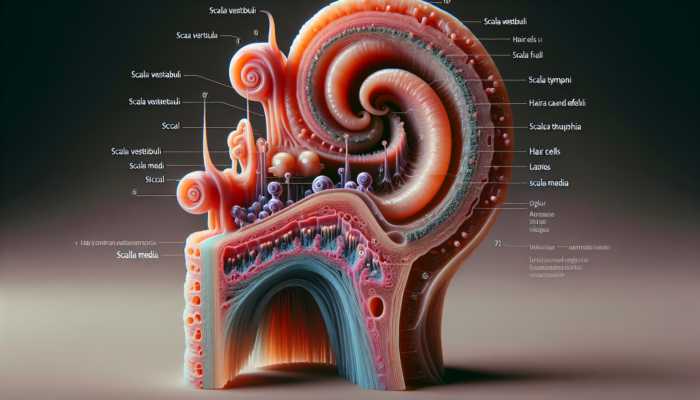
Cross-section of cochlea showing spiral structure, three chambers, and hair cells converting sound to electrical signals.

The cochlea is an extraordinary spiral-shaped organ located within the inner ear, serving as a cornerstone of our ability to perceive sound. This intricate structure is responsible for transforming sound vibrations into electrical signals, which are subsequently relayed to the brain for processing. This conversion process is vital, enabling us to experience the rich nuances of sound. The cochlea divides into three primary chambers: the scala vestibuli, scala tympani, and scala media. Each chamber is filled with fluid and lined with specialised hair cells that respond to sound waves. When sound enters the cochlea, it generates pressure waves that travel through these fluids, bending the hair cells and producing electrical impulses that are transmitted to the auditory nerve for interpretation.

A thorough understanding of cochlear anatomy not only underscores its critical functions but also highlights its susceptibility to damage. The delicate hair cells within the cochlea can suffer injury from various factors, including aging, prolonged exposure to loud noises, and certain medical conditions, resulting in hearing loss. Research indicates that exposure to noise levels exceeding 85 decibels can lead to noise-induced hearing loss, a risk present in numerous environments worldwide, including concerts and bustling urban streets. Thus, raising awareness about safe listening practices is essential to safeguard cochlear health, allowing individuals globally to fully enjoy the diverse soundscapes that life presents.

Examining the Vestibular System’s Crucial Role in Balance Maintenance

The vestibular system, located within the inner ear, is vital for maintaining balance and spatial orientation. This sophisticated system consists of intricate structures, primarily the semicircular canals and otolith organs, which collaborate to detect head movements and shifts in body position. The semicircular canals specifically recognise angular motion, while the otolith organs are adept at detecting linear movements and the force of gravity. The information provided by these structures is essential for daily activities, ranging from walking and running to more complex actions such as dancing or engaging in sports.

The global significance of the vestibular system is apparent in various contexts. For instance, athletes participating in sports like gymnastics or figure skating rely heavily on their vestibular sense to maintain balance and execute precise movements. Additionally, individuals residing in areas with diverse terrains, such as mountainous regions, must navigate challenging landscapes, making a well-functioning vestibular system crucial for ensuring safety and mobility. Disorders affecting this system can result in symptoms such as dizziness or imbalance, deeply impacting an individual’s quality of life and day-to-day activities.

Investigating the Auditory Nerve’s Essential Role in Sound Transmission

The auditory nerve functions as a vital conduit for transmitting sound information, transferring electrical signals from the cochlea to the brain where these signals are interpreted as sound. This nerve represents a fundamental component of the central nervous system, enabling the complex experience of hearing. The seamless connection between the cochlea and the auditory cortex ensures that even the most intricate auditory experiences—ranging from a symphony to the gentle rustling of leaves or the voice of a loved one—are perceived with clarity and precision.

However, various conditions affecting the auditory nerve can present considerable challenges, including hearing loss and auditory processing disorders. Individuals worldwide face numerous threats to their auditory health, stemming from exposure to industrial noise in urban settings to untreated ear infections in rural areas. Recent advancements in medical technology, such as cochlear implants, represent revolutionary solutions for individuals suffering from severe hearing impairments, allowing them to reconnect with the auditory world in transformative ways that were once deemed unattainable.

Comprehensive Overview of the Anatomy of the Outer Ear
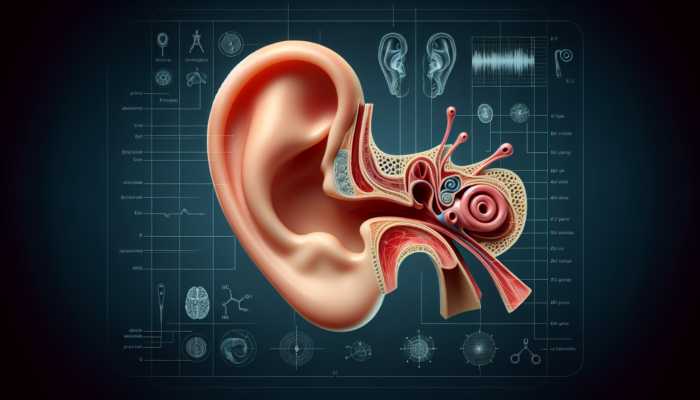
Detailed anatomical illustration of the outer ear, highlighting key structures like the pinna and ear canal.

Discovering the Pinna’s Vital Function in Sound Capture

The pinna, also known as the auricle, constitutes the most external part of the ear, performing a crucial function in capturing sound waves from the surrounding environment. Its unique shape acts as a funnel, guiding sound waves into the ear canal. The distinctive contours and folds of the pinna not only facilitate effective sound collection but also enhance our ability to discern the direction of sounds, a significant aspect of auditory perception.

Globally, the anatomical design of the pinna showcases variations among different populations, influenced by evolutionary and environmental factors. For instance, individuals dwelling in densely wooded areas may exhibit slightly differing ear shapes compared to those from open plains. Such adaptations illustrate the intricate connection between anatomy and environmental influences, emphasising the importance of understanding these variations in fields such as anthropology and audiology. Furthermore, congenital ear deformities can markedly impact sound collection and localisation, underscoring the necessity for customised auditory solutions on a global scale.

Examining the Structure and Function of the Ear Canal

The ear canal is a tubular conduit that extends from the pinna to the eardrum, playing a pivotal role in transmitting sound. This passage not only channels sound waves but also amplifies them before they reach the eardrum, thereby enhancing auditory perception. The unique shape and length of the ear canal are meticulously designed to optimise sound amplification, ensuring even the faintest sounds are effectively detected.

An intriguing aspect of the ear canal’s structure is its protective function. The canal is lined with skin that produces cerumen, commonly referred to as earwax, which serves multiple purposes: trapping dust, debris, and microorganisms while creating a barrier against infections. Globally, earwax impaction is a widespread issue, with individuals from various backgrounds experiencing discomfort and temporary hearing loss as a result. Public awareness campaigns promoting ear health and appropriate cleaning techniques can help mitigate these concerns, ensuring the ear canal remains an effective pathway for sound transmission.

Recognising the Eardrum’s Critical Role in Sound Transmission
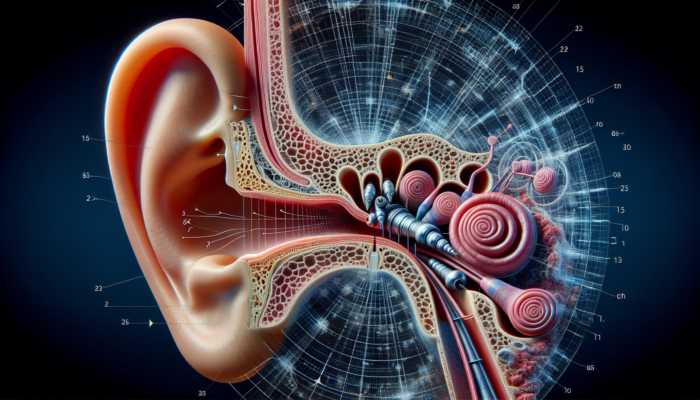
Cross-section of human ear showing eardrum vibration and sound transmission to middle ear.

The eardrum, or tympanic membrane, is a thin yet resilient structure that vibrates in response to sound waves. This vibration is vital as it translates acoustic energy into mechanical energy, which is then conveyed to the middle ear. The eardrum’s sensitivity is remarkable, capable of responding to a wide range of frequencies, allowing us to perceive sounds from a faint whisper to the powerful crescendo of a concert.

Globally, the health of the eardrum is of utmost importance; various factors such as exposure to loud sounds, ear infections, and physical trauma can compromise its integrity. For example, barotrauma—which occurs due to sudden pressure changes during air travel—can lead to eardrum perforation, resulting in pain and hearing loss. Awareness and preventive strategies, such as using earplugs during flights or swimming, are essential for protecting this critical component of hearing. The eardrum’s role in sound transmission is indispensable, acting as the gateway to the middle ear and beyond.

Investigating the Complex Anatomy of the Pinna

The anatomy of the pinna is intricate, primarily composed of cartilage covered by skin. Its distinctive shape, characterised by various folds and depressions, significantly aids in sound localization and collection. These anatomical features enhance our ability to differentiate between sounds originating from different directions, a skill crucial for survival and interaction within our environment.

This anatomical diversity is particularly fascinating when examining populations worldwide. Certain cultures may have developed unique modifications to the pinna for aesthetic purposes or to enhance auditory capabilities in specific contexts. Additionally, congenital deformities of the pinna can impact sound perception, leading to a greater understanding of how ear anatomy correlates with hearing ability. This knowledge is invaluable for creating effective interventions for auditory impairments, ensuring that individuals can fully engage with their auditory environments.

Exploring the Protective Features of the Ear Canal

The design of the ear canal serves not only to transmit sound but also to provide a protective barrier against foreign objects and debris. The skin lining the ear canal produces earwax, which serves as a natural defence mechanism. This substance traps dust, foreign particles, and microorganisms, preventing them from reaching the eardrum and reducing the likelihood of infections. Additionally, earwax helps to keep the skin of the ear canal moisturised, preventing dryness and irritation.

Globally, earwax impaction is a common issue affecting many individuals. Excessive wax buildup can lead to discomfort, reduced hearing, and even tinnitus. Education on ear hygiene practices, such as avoiding cotton swabs that can push wax deeper into the canal, is crucial. Furthermore, understanding cultural practices related to ear care can inform health interventions. Recognising the balance between natural ear protection and the necessity for hygiene is vital for maintaining auditory health across the globe.

Key Functions of the Inner Ear

How the Hearing Mechanism Converts Sound Waves into Perceptions

The primary function of the inner ear revolves around the intricate hearing mechanism that converts mechanical sound waves into electrical signals. This process begins when sound waves enter the cochlea, inducing fluid movements. These movements are critical for bending the hair cells situated along the basilar membrane within the cochlea. As these hair cells bend, they generate electrical impulses that travel through the auditory nerve to the brain, where they are decoded into distinct sounds.

The efficiency of this hearing mechanism is vital for effective communication and interaction across various settings, whether enjoying music in a concert hall or engaging in conversation within a bustling café. Variations in hearing ability among individuals can stem from genetic factors, exposure to environmental noise, or lifestyle choices, each influencing how sound is perceived. Globally, many individuals experience hearing impairments that can affect their social lives and professional opportunities, emphasising the need for accessible hearing health services and education.

The Integral Role of the Vestibular System in Balance and Equilibrium

The vestibular system within the inner ear exemplifies remarkable anatomical engineering, playing a crucial role in maintaining balance and equilibrium. By continuously monitoring head position and movement through the semicircular canals and otolith organs, this system provides the brain with essential information for sustaining stability. When we turn our heads or move our bodies, the fluid within these canals shifts, stimulating hair cells that send signals to the brain about our orientation in space.

This ability to maintain balance is not only essential for athletes or dancers; everyday activities such as walking, climbing stairs, or even standing still heavily rely on our vestibular system. Globally, individuals engaged in occupations requiring physical agility—ranging from construction workers to dancers—must possess a keen sense of balance to perform their tasks safely. Furthermore, conditions like vertigo or vestibular disorders can severely disrupt this function, underscoring the need for global awareness and understanding of vestibular health.

Sound Localization: Mechanisms Behind Direction and Source Determination

An often-overlooked function of the inner ear is its role in sound localization. The inner ear assists in determining the direction and source of sounds by analysing the differences in timing and intensity of sound waves that reach each ear. This capability is critical for navigating our environments, allowing us to respond swiftly to auditory cues.

For instance, in a busy street, the ability to pinpoint the sound of a honking car or a friend calling from behind greatly enhances our spatial awareness and safety. This function is even more pronounced in the animal kingdom, where certain species can locate prey or predators using advanced auditory skills. Globally, understanding sound localization can inform technologies such as hearing aids and sound systems, enriching the auditory experience for individuals with hearing impairments.

Assessing the Functions of the Outer Ear

The Vital Role of Sound Collection in Hearing

The primary function of the outer ear lies in collecting and funneling sound waves into the ear canal. This collection process commences with the pinna, which captures sound from various directions and directs it toward the ear canal. The design and shape of the pinna are optimised for enhanced sound collection, maximising our hearing capabilities, particularly in environments filled with competing sounds.

In diverse locations around the globe, the significance of sound collection extends beyond human communication; it is also critical in wildlife communication and survival. For instance, many animals depend on their outer ear structures to detect environmental sounds—whether it be a predator approaching or their mate calling. The evolutionary adaptations in ear shapes across different species illustrate the importance of sound collection in various ecological niches, further emphasising the interconnectedness of auditory health.

The Mechanism of Sound Amplification in the Outer Ear

Sound amplification is a vital function of the outer ear, where the unique configuration of the ear canal enhances the volume of sound waves before they reach the eardrum. This amplification allows even the faintest sounds to become audible, contributing to our rich auditory experiences. The ear canal functions like a resonator, boosting specific frequencies of sound, thereby facilitating the perception of speech or musical notes.

In various cultures, the ability to hear well is often celebrated, from traditional music to oral storytelling, reflecting the deep-rooted significance of sound amplification in social interactions. Understanding how sound amplification operates can also inform the design of hearing aids and other auditory technologies. For individuals with hearing impairments, grasping the mechanics of sound amplification can lead to better management of their auditory health.

The Protective Functions of the Outer Ear Against Debris

The outer ear, including the ear canal, serves as a protective barrier against foreign objects and debris entering the ear. The skin lining the ear canal produces earwax, which traps dust, debris, and microorganisms, preventing them from reaching the delicate structures deeper within the ear. This natural defence mechanism is essential for maintaining ear health and preventing infections.

Globally, awareness of ear protection is crucial, particularly in environments with high levels of dust, pollution, or water exposure, such as during swimming. Engaging in preventive measures, such as using earplugs in noisy environments or maintaining proper ear hygiene, can help individuals sustain healthy ears. Understanding the protective functions of the outer ear encourages people worldwide to prioritise ear health and take proactive measures against potential auditory threats.

The Role of the Outer Ear in Sound Localization

The outer ear also plays a significant role in sound localization, aiding in the determination of the source and direction of sounds. The shape of the pinna, combined with the timing and intensity of sounds reaching each ear, allows us to accurately locate where a sound originates—an essential skill for survival and interaction in our environment.

This ability is particularly evident across various global contexts, such as in urban environments where discerning sounds is vital for safety. For example, recognising the direction of approaching emergency vehicles or identifying familiar voices in crowded spaces relies on effective sound localization. Enhancing our understanding of sound localization can also improve auditory technologies, enriching experiences for individuals with hearing impairments and contributing to safer environments overall.

Common Disorders Impacting the Inner Ear

Understanding the Mechanisms of Sensorineural Hearing Loss

Sensorineural hearing loss is a prevalent condition that arises from damage to the hair cells of the inner ear or the auditory nerve. This type of hearing loss typically manifests as difficulty in hearing soft sounds or distinguishing speech amidst background noise. Various factors contribute to sensorineural hearing loss, including the natural process of aging, exposure to loud sounds, and certain medical conditions, such as ototoxicity resulting from specific medications.

Globally, this condition affects millions, creating barriers to effective communication and social interactions. Awareness initiatives aimed at promoting hearing protection in noisy environments, such as concerts or industrial workplaces, are crucial in preventing this type of hearing loss. Additionally, advancements in hearing aids and cochlear implants offer individuals experiencing sensorineural hearing loss opportunities to regain access to sound, underscoring the ongoing need for innovation in auditory healthcare.

Exploring the Complexities of Ménière’s Disease

Ménière’s disease is a complex inner ear disorder characterised by episodes of vertigo, hearing loss, and tinnitus. This condition is thought to be related to fluid accumulation in the inner ear, which disrupts both balance and hearing. The unpredictable nature of Ménière’s disease can significantly affect an individual’s quality of life, often leading to anxiety and social withdrawal.

Globally, raising awareness and understanding of Ménière’s disease is vital for effective diagnosis and management. Educational initiatives can assist individuals in recognising symptoms early and prompt them to seek medical attention. Treatment options vary, ranging from lifestyle adjustments and dietary changes to medical interventions, highlighting the importance of personalised care strategies for managing this condition and enhancing overall well-being.

Vestibular Neuritis: Causes, Symptoms, and Effects

Vestibular neuritis is an inner ear disorder marked by sudden and intense vertigo resulting from inflammation of the vestibular nerve. This condition frequently follows a viral infection and can cause significant disruptions in balance and spatial awareness. Individuals may experience severe spinning sensations, nausea, and difficulties in performing daily activities.

Globally, vestibular neuritis highlights the intricate connection between viral infections and inner ear health. Understanding this correlation can inform public health initiatives aimed at preventing viral illnesses and their potential complications. While vestibular neuritis is typically self-limiting, targeted rehabilitation therapy can support individuals in regaining their balance and minimising the long-term impact on their daily lives.

Common Disorders Affecting the Outer Ear

Understanding Otitis Externa: The Reality of Swimmer’s Ear

Otitis externa, commonly referred to as swimmer’s ear, describes an infection or inflammation of the outer ear canal. This condition often arises when water becomes trapped in the ear after swimming, creating an environment conducive to bacterial growth. Symptoms may include itching, redness, and pain, leading to significant discomfort for those affected.

Globally, otitis externa is prevalent among swimmers and individuals participating in water sports. Preventive measures, such as keeping the ears dry and using earplugs, can significantly reduce the risk of developing this condition. Moreover, awareness of proper ear hygiene practices is crucial in minimising the occurrence of otitis externa and promoting overall ear health.

Understanding Earwax Impaction: Causes, Effects, and Solutions

Earwax impaction occurs when excessive earwax accumulates in the ear canal, resulting in blockage and potential hearing loss. While earwax serves a protective function, overproduction can lead to discomfort, tinnitus, and difficulties in hearing. Factors contributing to earwax impaction include the use of cotton swabs, which can inadvertently push wax deeper into the canal.

Globally, earwax impaction is a common issue affecting individuals across various cultures. Education on proper ear hygiene practices, including avoiding cotton swabs and seeking professional cleaning when necessary, can help mitigate this problem. Understanding the balance between maintaining ear health and preventing impaction is crucial for all individuals.

Understanding Auricular Hematomas in Athletes

An auricular hematoma is a collection of blood between the cartilage and skin of the pinna, typically resulting from trauma or blunt force injury. This condition is particularly prevalent in contact sports, where athletes are at a heightened risk for ear injuries. If left untreated, auricular hematomas can lead to permanent deformities known as “cauliflower ear.”

Globally, awareness of auricular hematomas within athletic contexts is essential for injury prevention and ensuring proper treatment. Preventive measures, such as wearing protective headgear during contact sports, can significantly reduce the risk of developing auricular hematomas. Prompt medical intervention is crucial for managing this condition and preserving the aesthetic and functional integrity of the ear.

Exostoses and Osteomas: Exploring Benign Bone Growths in the Ear Canal

Exostoses are benign bone growths in the ear canal, often associated with prolonged exposure to cold water, while osteomas are similar growths that can obstruct the ear canal and impact hearing. Both conditions are more frequently observed in individuals who engage in water sports, particularly surfers and swimmers.

Globally, awareness and understanding of these conditions are essential for individuals participating in aquatic activities. Regular check-ups with healthcare professionals can facilitate early detection and treatment, preventing complications arising from exostoses and osteomas. Education on the importance of ear protection while swimming or surfing can be instrumental in preserving ear health for aquatic enthusiasts.

Diagnostic Approaches for Inner Ear Disorders

The Importance of Hearing Tests in Diagnosing Inner Ear Conditions

Hearing tests, such as audiometry, are fundamental diagnostic tools for assessing inner ear disorders. These tests measure an individual’s ability to hear a range of frequencies and sound intensities, aiding in identifying the type and severity of hearing loss. Professionals administer these tests in controlled environments to ensure accurate results for effective diagnosis.

Globally, early detection through routine hearing tests is crucial for addressing hearing impairments. Recognising the importance of regular hearing assessments can lead to timely interventions, enhancing overall auditory health. Recent advancements in telehealth technology have expanded access to hearing tests, enabling individuals in remote areas to obtain necessary evaluations.

Comprehensive Testing for Evaluating Balance Function

Balance tests, including vestibular function tests, evaluate the performance of the vestibular system within the inner ear. These tests measure how well the body maintains balance and responds to changes in head position. Various protocols, such as posturography tests or caloric testing, help identify vestibular disorders that may contribute to dizziness and balance issues.

Globally, balance tests play an essential role in diagnosing conditions such as vestibular neuritis and Ménière’s disease. Awareness of the significance of balance assessments can prompt individuals experiencing dizziness to seek medical advice, leading to effective management strategies. With the increasing focus on balance-related health, particularly in the ageing population, these tests are becoming increasingly vital for ensuring safe and active lifestyles.

Utilising Imaging Techniques for Precise Diagnosis

Imaging techniques, such as MRI and CT scans, are invaluable for diagnosing complex inner ear disorders. These advanced imaging modalities enable healthcare professionals to visualise the structures of the inner ear, assisting in identifying abnormalities like tumours or malformations that may affect hearing and balance.

Globally, accessibility to imaging technologies has improved diagnostic accuracy and timely management of inner ear disorders. Awareness of available imaging options can motivate individuals to pursue comprehensive evaluations, facilitating effective treatment plans. As technology advances, incorporating imaging techniques into routine diagnostic protocols will enhance our understanding of inner ear health worldwide.

Endoscopy: A Minimally Invasive Diagnostic Technique

Endoscopy is a minimally invasive diagnostic procedure employed to visualise the inner ear and evaluate its structures. This technique allows healthcare professionals to directly examine the ear canal and eardrum, enabling accurate diagnosis and treatment of various conditions.

Globally, the use of endoscopic techniques in ear examinations has increased, improving patient outcomes through comprehensive assessments. Understanding the advantages of endoscopy can empower individuals to seek timely medical intervention for ear-related concerns. As technological advancements continue, endoscopy may play a pivotal role in the future of ear health diagnostics and management.

The Significance of Genetic Testing in Understanding Inner Ear Disorders

Genetic testing is an emerging diagnostic tool aimed at understanding hereditary inner ear disorders. By identifying genetic mutations linked to conditions such as Usher syndrome or otosclerosis, healthcare professionals can offer more personalised care and management strategies for affected individuals and their families.

Globally, integrating genetic testing into healthcare systems can enhance our understanding of the genetic basis of hearing loss and inform treatment options. Raising awareness about the availability of genetic testing may encourage individuals with a family history of hearing disorders to pursue evaluations, paving the way for targeted interventions and improved outcomes.

Frequently Asked Questions Regarding Ear Health

What are the distinguishing characteristics of the inner ear compared to the outer ear?

The inner ear is responsible for converting sound vibrations into electrical signals and maintaining balance, while the outer ear functions to collect and funnel sound waves into the ear canal for amplification.

Do disorders of the inner ear affect balance?

Yes, disorders impacting the inner ear, such as vestibular neuritis or Ménière’s disease, can significantly disrupt balance and spatial awareness, resulting in dizziness and instability.

What role does the cochlea play in the hearing process?

The cochlea transforms sound vibrations into electrical signals through its intricate fluid-filled structure, enabling the brain to perceive sound accurately and distinctly.

How does earwax contribute to ear protection?

Earwax serves as a natural barrier, trapping dust, debris, and microorganisms, preventing them from reaching the eardrum and diminishing the risk of infections.

What common symptoms indicate sensorineural hearing loss?

Common symptoms include difficulty hearing faint sounds, challenges in understanding speech in noisy settings, and a noticeable decline in sound clarity.

What preventive measures can be taken to avoid otitis externa?

To prevent otitis externa, it is crucial to keep ears dry after swimming, avoid inserting objects into the ear canal, and use earplugs when swimming in potentially contaminated water.

Why is sound localization important for individuals?

Sound localization is vital for spatial awareness, allowing individuals to determine the source and direction of sounds, which is essential for safety and social interaction.

How can vestibular disorders be managed effectively?

Vestibular disorders may be treated through physical therapy, medications, or lifestyle changes aimed at alleviating symptoms and restoring balance.

When is it necessary to seek medical attention for ear-related issues?

Seek medical attention if you experience persistent pain, hearing loss, dizziness, or any unusual symptoms affecting your ears or balance.

Are genetic factors significant in the context of hearing loss?

Yes, genetic factors can contribute to hearing loss, and genetic testing may provide insights into hereditary conditions that affect auditory health.

Follow our journey on X!

The post Inner Ear vs. Outer Ear: Essential Differences Explained appeared first on The Microsuction Ear Wax Removal Network.

Originally posted 2025-04-21 03:11:44.

The post Inner Ear vs Outer Ear: Key Differences Uncovered appeared first on Healthcare Marketing Service.

Categories
Ear Anatomy Science & Technology

Sound Waves and Ear Processes: A Comprehensive Guide

Last Updated on 07/11/2025 by Admin

Discover the Engaging Journey of Sound Waves in Our Lives

What Are Sound Waves and How Do They Operate in Our Environment?

Sound waves are fascinating vibrations that travel through diverse mediums, including air, water, and solid materials. These waves exhibit distinct properties, most notably frequency, which defines the pitch of the sound, and amplitude, which dictates the volume. Sound waves initiate their journey from a source, such as a vibrating vocal cord or a musical instrument, carrying energy toward a receiver, typically the human ear. The process begins when an object vibrates, creating disturbances in the surrounding medium. These disturbances create alternating compressions and rarefactions of molecules, forming a wave motion that can be detected by living organisms, highlighting the fundamental significance of sound across various environments.

Sound waves can be classified into two primary types: longitudinal and transverse. Longitudinal waves occur when particle displacement is parallel to the direction of wave travel, predominantly seen in air. In contrast, transverse waves involve perpendicular particle displacement, primarily observed in mediums such as water. Grasping the nuances of these wave types is essential for effective communication, music appreciation, and environmental awareness, emphasizing the crucial role that sound plays in human experiences across diverse cultures and geographical locations.

How Do Sound Waves Enter the Ear for Processing and Understanding?

The journey of sound waves into the ear begins through the outer ear, laying the groundwork for auditory perception. The outer ear consists of two main components: the pinna and the ear canal. The pinna, the external visible portion of the ear, functions as a funnel, effectively capturing sound waves from the environment and directing them into the ear canal. This entry point is critical, as the ear canal plays a vital role in efficiently channelling sound waves toward the eardrum, where the actual auditory processing begins.

As sound waves traverse the ear canal, they undergo slight amplification due to the canal’s unique shape and resonance properties. This amplification is essential for detecting quieter sounds, underscoring the outer ear’s integral role in the hearing process. Furthermore, the ear canal serves a protective function by blocking foreign particles and reducing the risk of damage to the sensitive structures in the inner ear. This dual functionality of directing sound and safeguarding hearing underscores the importance of the ear’s anatomy in sound perception, highlighting its remarkable complexity essential for effective communication.

The Critical Importance of the Ear Canal in Sound Transmission and Protection

The ear canal plays a vital role in the auditory process, efficiently channeling sound waves toward the eardrum while also safeguarding the delicate structures of the inner ear. Measuring approximately 2.5 centimetres in length, the ear canal serves as a conduit that enhances the acoustic properties of incoming sound waves. This modest amplification significantly affects our ability to perceive sounds in various environments, whether bustling urban settings or serene natural landscapes.

Additionally, the ear canal houses specialized cells that produce earwax, a substance that serves multiple protective functions. Earwax effectively traps dirt, debris, and microorganisms, preventing them from reaching the more sensitive components of the inner ear. This natural defence mechanism is crucial for maintaining ear health and functionality. The unique structure of the ear canal not only facilitates sound transmission but also ensures that our auditory system remains well-protected against potential harm. Key roles of the ear canal include:

  • Funnelling sound waves towards the eardrum
  • Amplifying incoming sound waves
  • Producing earwax for protection against foreign particles
  • Maintaining a suitable environment for ear health

The Essential Functions of the Outer Ear in Sound Perception

Delving into the Structure of the Outer Ear and Its Functions

The outer ear comprises two primary components: the pinna and the ear canal. The pinna, often referred to as the auricle, is the visible part of the ear that protrudes from the head. Its distinct shape and contours are specifically designed to capture sound waves originating from various directions. The surface of the pinna features ridges and valleys that enhance its sound-collecting capabilities, which are crucial for sound localization, particularly in environments where distinguishing the direction of sounds is vital for effective communication and survival.

The ear canal, a tubular structure connecting the outer ear to the middle ear, measures about 2.5 centimetres in length and features a slight curve. Its interior is lined with skin that contains glands producing earwax. This elongated structure not only channels sound waves effectively but also helps protect the eardrum from external elements. The combination of the pinna and ear canal forms a sophisticated system that enables humans and animals alike to effectively detect and process sounds in their environment, highlighting the intricate anatomy of the ear.

How Does the Pinna Enhance Sound Detection and Spatial Awareness?

The pinna significantly enhances sound detection through its unique anatomical features, which are crucial for interpreting sounds from various angles. Its distinctive shape allows it to funnel sound waves into the ear canal, thereby improving our ability to hear sounds originating from different directions. This directional sensitivity is vital for spatial awareness and communication, enabling us to accurately locate the source of sounds, which is essential for effective interaction with our environment.

Several key functions of the pinna contribute to its sound-enhancing capabilities:

  • Collecting sound waves from the environment
  • Funnelling sound waves into the ear canal
  • Improving localization of sounds based on their direction
  • Helping to amplify higher frequency sounds, which are critical for understanding speech

The pinna’s ability to capture and amplify sound makes it an essential component of the auditory system, particularly in complex acoustic environments. In urban areas, where sounds arise from multiple sources, the pinna helps us discern meaningful sounds from background noise, facilitating effective communication and interaction within our surroundings.

The Protective Role of the Ear Canal in Maintaining Auditory Health

The ear canal serves as both a pathway for sound waves and a protective barrier for the delicate structures of the inner ear. One of the primary functions of the ear canal is to produce earwax, or cerumen, which plays a vital role in protecting the ear. This waxy substance effectively traps dirt, debris, and microorganisms that could potentially harm the eardrum and inner ear.

The structural design of the ear canal further contributes to its protective role. The canal’s slight curvature prevents foreign objects from easily reaching the eardrum, while the skin lining contains tiny hairs and specialized glands that promote the natural expulsion of unwanted particles. These features create a conducive environment for hearing while minimising the risk of infections or damage.

Regular maintenance of ear health is essential, as excessive earwax buildup can lead to blockages that affect hearing. It is important for individuals to understand the delicate balance between maintaining ear hygiene and ensuring the ear’s protective mechanisms remain intact. The ear canal, with its multifaceted role in sound transmission and protection, is crucial for ensuring a functional auditory experience.

The Middle Ear’s Vital Contributions to Hearing

Understanding the Eardrum’s Function in Sound Processing and Transmission

The eardrum, also known as the tympanic membrane, is a vital component of the middle ear, acting as the initial interface for the transmission of sound waves. When sound waves travel through the ear canal and strike the eardrum, they cause it to vibrate. These vibrations correspond to the frequency and amplitude of the incoming sound waves, effectively translating them into mechanical energy that can be processed further.

The eardrum’s ability to respond to a wide range of sound frequencies is crucial for effective hearing. Its membrane-like structure is both thin and robust, capable of withstanding significant pressure changes without sustaining damage. The eardrum transmits these vibrations to three tiny bones in the middle ear, known as the ossicles, which amplify the sound before it enters the inner ear. This amplification is essential, enabling the detection of softer sounds that would otherwise go unnoticed. The process of sound transmission through the eardrum marks a critical step in our ability to perceive auditory information.

What Are the Ossicles and Their Significance in the Hearing Process?

The ossicles are three small bones located in the middle ear, identified as the malleus, incus, and stapes. These bones play a crucial role in amplifying and transmitting sound vibrations from the eardrum to the inner ear. The malleus, commonly referred to as the hammer, is attached to the eardrum and receives vibrations directly from it. The incus, or anvil, connects the malleus to the stapes, the stirrup-shaped bone that interfaces with the inner ear.

The ossicles operate within a lever system, where the movement of one bone influences the others, thereby amplifying sound vibrations. This amplification is vital because it ensures that sound energy is adequately transferred to the cochlea in the inner ear, allowing for effective sound perception. Without the ossicles, the energy from sound waves would be insufficient to stimulate the hair cells in the cochlea, leading to significant hearing loss. Their intricate arrangement and function make the ossicles a remarkable example of biological engineering, essential for the complex process of hearing.

How Do the Ossicles Amplify Sound Waves Effectively?

The ossicles work synergistically to amplify sound vibrations before transferring them to the inner ear. When the eardrum vibrates in response to sound waves, these vibrations are transmitted to the malleus, which subsequently moves the incus and stapes. The ossicles function as a lever system, with the stapes, the smallest of the three bones, playing a crucial role in this amplification process.

The ossicles amplify sound vibrations through several mechanisms:

  • Lever action: The arrangement of the ossicles creates leverage that increases the force of the vibrations.
  • Area ratio: The eardrum has a larger surface area compared to the oval window (the entry point to the cochlea), concentrating the sound energy.
  • Mechanical coupling: The ossicles create a direct mechanical connection between the eardrum and the inner ear.
  • Protection: The ossicles also help to protect the inner ear from loud sounds through a reflexive stiffening mechanism.

This remarkable amplification process is critical for our ability to hear faint sounds, such as whispers or distant music, enhancing our auditory experience and interaction with the environment. By efficiently transferring sound energy to the inner ear, the ossicles play an indispensable role in the overall hearing process.

Expert Insights on How the Ear Processes Sound Waves

How Does the Middle Ear Safeguard Hearing from Harmful Noises?

The middle ear not only serves to amplify sound but also plays a protective role in safeguarding the inner ear from potentially damaging noises. Within the middle ear, there are two small muscles—the tensor tympani and the stapedius—that help regulate the movement of the ossicles in response to loud sounds. When exposed to sudden loud noises, these muscles contract reflexively, reducing the vibrations transmitted to the inner ear. This mechanism is essential for protecting the delicate hair cells within the cochlea, which are particularly susceptible to damage from excessive sound pressure.

Real-world examples of this protective mechanism can be observed in situations where individuals are exposed to loud environments, such as concerts or construction sites. The muscles of the middle ear automatically engage to minimise the impact of loud sounds, thereby preventing potential hearing loss. This reflexive action highlights the sophisticated design of the auditory system, allowing us to enjoy sound while safeguarding our hearing.

Furthermore, this protective feature can be beneficial in everyday situations, such as when we yawn or swallow. These actions also trigger muscle contractions in the middle ear, further contributing to hearing protection and demonstrating the intricate relationship between bodily functions and auditory health.

Understanding the Critical Role of the Eustachian Tube in Ear Health

The Eustachian tube is a critical component of the middle ear, connecting it to the throat. Its primary role is to equalize air pressure on both sides of the eardrum, ensuring optimal functioning during sound transmission. When we swallow, yawn, or chew, the Eustachian tube opens, allowing air to flow into the middle ear and equalize pressure. This equalization is essential, particularly during altitude changes, such as when flying or driving through mountainous regions, where pressure differences can lead to discomfort or pain.

The proper functioning of the Eustachian tube is vital for maintaining hearing health. When it fails to open or close appropriately, it can lead to fluid buildup in the middle ear, creating a conducive environment for infections and impacting hearing. This underscores the importance of the Eustachian tube in maintaining overall auditory health, as it directly affects the ear’s ability to operate efficiently in various environmental conditions.

Moreover, the Eustachian tube’s role in pressure regulation contributes to our ability to enjoy activities such as swimming and diving. By facilitating pressure equalization, it prevents sensations of ear fullness or pain, enhancing our overall experience in aquatic environments.

What Complications Arise When the Eustachian Tube Malfunctions?

When the Eustachian tube malfunctions, it can result in various complications affecting hearing and overall ear health. Dysfunction of the Eustachian tube can occur due to factors such as allergies, respiratory infections, or anatomical abnormalities. When the tube remains blocked or fails to open properly, it can lead to fluid buildup in the middle ear, resulting in a condition known as otitis media, often accompanied by pain and discomfort.

Common symptoms of Eustachian tube dysfunction include:

  • Ear fullness or pressure
  • Hearing loss or muffled sounds
  • Pain or discomfort in the ear
  • Fluid drainage from the ear
  • Balance issues or dizziness
  • Tinnitus or ringing in the ears

These symptoms can significantly impact daily life, leading to challenges in communication and engagement with the environment. In more severe cases, untreated Eustachian tube dysfunction can contribute to chronic ear infections or long-term hearing loss. Promptly addressing Eustachian tube issues through medical evaluation and treatment is essential for preserving hearing and maintaining overall ear health.

How the Inner Ear Converts Sound Waves into Neural Signals for Perception

The inner ear is where the intricate process of converting sound waves into neural signals occurs. The cochlea, a spiral-shaped structure filled with fluid, plays a vital role in this transformation. When sound vibrations transmitted by the ossicles reach the cochlea, they create waves within the fluid, stimulating the hair cells lining its interior. These hair cells are equipped with tiny hair-like projections called stereocilia, which bend in response to fluid movement.

As the stereocilia bend, they trigger electrical impulses that travel along the auditory nerve to the brain. This conversion process is crucial for our ability to perceive sounds of varying pitches and volumes. The precise arrangement of hair cells within the cochlea allows for detecting different frequencies, enabling us to differentiate between various sounds, whether it be a conversation, music, or environmental noises.

The transformation of sound waves into electrical signals is a highly efficient process that occurs almost instantaneously. This remarkable capability allows us to interact with our surroundings in real-time, responding to auditory cues that guide our actions, facilitate communication, and enhance our overall sensory experience.

Exploring the Complex Structure of the Inner Ear and Its Functions

The Unique Structure of the Cochlea and Its Function in Hearing

The cochlea is a unique, spiral-shaped structure located within the inner ear that plays a pivotal role in hearing. Measuring about 30 millimetres in length, it resembles a coiled snail shell. The cochlea is divided into three fluid-filled chambers: the scala vestibuli, scala media, and scala tympani. The scala media houses the organ of Corti, which contains the sensory hair cells essential for sound transduction.

The cochlea’s intricate design allows it to efficiently convert sound vibrations into neural signals. The fluid within the cochlea moves in response to sound waves, generating waves that travel through the various chambers. This movement stimulates the hair cells, initiating the process of converting mechanical vibrations into electrical impulses that the brain interprets as sound.

Moreover, the cochlea is equipped with a specialized structure known as the basilar membrane, which plays a critical role in frequency discrimination. Different regions of the basilar membrane vibrate in response to specific sound frequencies, allowing us to perceive a wide range of pitches. This complex structure enables precise auditory processing, making the cochlea a remarkable organ of hearing.

How Does the Cochlea Convert Sound Waves into Electrical Signals for the Brain?

The cochlea converts sound through a series of intricate steps that involve transforming mechanical energy into electrical signals. When sound vibrations from the middle ear reach the cochlea, they create fluid waves within its chambers. This process can be broken down into key stages:

  • Sound waves travel through the oval window, initiating fluid motion within the cochlea.
  • The fluid movement creates pressure changes that travel through the scala vestibuli and scala tympani.
  • As the fluid moves, it causes the basilar membrane to vibrate at specific locations based on the sound frequency.
  • The movement of the basilar membrane bends the stereocilia on the hair cells located in the organ of Corti.
  • This bending triggers the opening of ion channels, resulting in the generation of electrical impulses.
  • The electrical signals are then transmitted via the auditory nerve to the brain for processing.

These steps illustrate the cochlea’s crucial role in sound perception, showcasing its ability to transform acoustic energy into information that the brain can understand. The efficiency and precision of this process are essential for our ability to appreciate and interact with the auditory world.

The Critical Role of the Vestibular System in Balance and Coordination

The vestibular system, located near the cochlea within the inner ear, plays a critical role in maintaining balance and spatial orientation. While its primary function is not directly related to hearing, it works in conjunction with the auditory system to provide a comprehensive sensory experience. The vestibular system consists of three semicircular canals and two otolith organs, which detect changes in head position and motion.

The semicircular canals are sensitive to rotational movements, while the otolith organs respond to linear accelerations and the effects of gravity. When we move, the fluid within these canals shifts, stimulating hair cells that send signals to the brain regarding our orientation in space. This information is crucial for coordinating movements and maintaining balance, particularly during activities such as walking or running.

Furthermore, the vestibular system collaborates with the auditory system to enhance our perception of sound in relation to our movements. For instance, when we turn our heads, the vestibular system helps us maintain a stable auditory perspective, allowing us to focus on sounds coming from specific directions. This integration of auditory and vestibular information is essential for effective communication and navigating our environment, illustrating the complexity of our sensory systems.

The Pathway of Electrical Signals from the Ear to the Brain

How Are Electrical Signals Transmitted to the Brain for Sound Processing?

Once sound waves are converted into electrical signals by the cochlea, these impulses travel along the auditory nerve towards the brain. This nerve, also known as the eighth cranial nerve, carries the information necessary for sound perception. The journey begins at the base of the cochlea, where the hair cells release neurotransmitters in response to the generated electrical signals. These neurotransmitters stimulate the auditory nerve fibers, initiating the transmission of signals to the brain.

As the electrical signals travel along the auditory nerve, they pass through several key relay stations within the brainstem before reaching the auditory cortex. This pathway allows for essential processing, such as sound localization and frequency discrimination. The auditory system is finely tuned to interpret the myriad of sounds we encounter, ranging from spoken language to environmental noises, contributing to our understanding of our surroundings.

This transmission process is rapid, allowing for nearly instantaneous auditory processing. The brain’s ability to interpret these signals is crucial for communication, social interaction, and responding to environmental cues, emphasising the vital role of the auditory system in our daily lives.

What Happens in the Auditory Cortex During Sound Processing?

The auditory cortex is the part of the brain responsible for processing and interpreting the electrical signals transmitted from the auditory nerve. Located in the temporal lobe, this region decodes the information received, allowing us to recognise and understand sounds. The auditory cortex is organised tonotopically, meaning that different frequencies are processed in specific areas, enabling precise sound discrimination.

When electrical signals from the auditory nerve reach the auditory cortex, they are translated into recognisable patterns. This processing permits us to perceive various auditory stimuli, from music to speech, and to interpret their meaning. The auditory cortex also plays a role in integrating auditory information with other sensory inputs, enhancing our overall perception of the environment.

Moreover, the brain’s adaptability and capacity to reorganise itself based on auditory experiences are remarkable. Neuroplasticity allows the auditory cortex to adjust to changes in hearing capability, such as during language learning or after experiencing hearing loss. This adaptability ensures that our auditory processing remains effective, regardless of external circumstances.

The Brain’s Role in Locating Sound Sources Accurately

The brain plays a crucial role in sound localization, which is the ability to determine the direction of a sound source. This process relies on several auditory cues, including timing and intensity differences between the ears. When a sound originates from one side, the ear closest to the sound receives it slightly earlier and with greater intensity than the opposite ear. The brain interprets these differences to ascertain the sound’s location.

This intricate process occurs in several brain regions, including the superior olivary complex, which integrates information from both ears to create a spatial map of sounds. By analysing the cues provided by the auditory system, the brain can accurately locate sounds in three-dimensional space, allowing for effective navigation and interaction within our environment.

Understanding sound localization is vital for communication, as it enables us to focus on specific sounds in noisy environments, such as crowded streets or busy cafes. This ability enhances our capacity for social interaction, making it essential for developing relationships and engaging with the world around us.

How Does the Brain Analyze Sound Patterns for Understanding?

The brain’s processing of sound patterns involves a complex and dynamic interaction that enables us to recognise and appreciate speech and music. When electrical signals from the auditory nerve reach the auditory cortex, the brain analyses various aspects of sound, such as frequency, duration, and intensity. This analysis allows us to distinguish between different sounds and identify familiar patterns.

For instance, in speech recognition, the brain utilises context, past experiences, and phonetic cues to decode spoken language. This capacity allows us to understand conversations, even in noisy environments. Similarly, the brain’s ability to process music involves recognising melodies, rhythms, and harmonies, contributing to our emotional and aesthetic experiences.

The integration of sound patterns is not limited to simple recognition; it also involves emotional responses. The brain’s limbic system, which processes emotions, is closely linked to auditory processing areas, explaining why music can evoke powerful feelings and memories. This interplay between sound and emotion highlights the significance of auditory experiences in our daily lives, shaping our perceptions and interactions.

Common Hearing Issues and Their Underlying Causes

What Causes Hearing Loss and What Are Its Types?

Hearing loss can result from various factors that affect the ear’s structures and overall auditory function. The causes of hearing loss are often categorized into three main types: conductive, sensorineural, and mixed. Conductive hearing loss occurs when sound waves cannot effectively travel through the outer ear, middle ear, or eardrum due to blockages or damage. Common causes include earwax buildup, fluid in the middle ear, or perforation of the eardrum.

Sensorineural hearing loss arises from damage to the inner ear, including the cochlea or auditory nerve. This type of hearing loss is often caused by age-related degeneration, exposure to loud noises, or hereditary factors. Mixed hearing loss involves a combination of both conductive and sensorineural issues, complicating the auditory process.

Additionally, certain medical conditions, such as otosclerosis, acoustic neuroma, or autoimmune diseases, can also contribute to hearing loss. Understanding the underlying causes can aid in developing effective treatment strategies and preventive measures to maintain hearing health.

Identifying Types of Hearing Impairment and Their Impact

Hearing impairment can manifest in several ways, depending on which part of the ear is affected. The three main types of hearing impairment are conductive, sensorineural, and mixed hearing loss. Conductive hearing loss occurs when sound waves are blocked from reaching the inner ear due to problems in the outer or middle ear. This type can often be treated with medical intervention, such as surgery or hearing aids.

Sensorineural hearing loss, on the other hand, originates from damage to the inner ear or auditory nerve, often resulting in permanent hearing loss. This type is typically associated with aging, noise exposure, or genetic predispositions, making early detection and management crucial for preserving auditory function. Mixed hearing loss involves a combination of both conductive and sensorineural components, necessitating a comprehensive treatment approach.

Recognising the signs of hearing impairment, such as difficulty understanding speech, the need for increased volume, or avoiding social situations due to hearing challenges, is crucial for timely intervention. Early diagnosis and appropriate treatment can significantly improve quality of life and communication abilities, ensuring effective interaction within our environment.

How Can We Protect Our Hearing from Damage?

Protecting hearing is essential for maintaining auditory health and preventing hearing loss. Several practical strategies can be employed to safeguard your hearing. One of the most effective methods involves avoiding prolonged exposure to loud noises, which can damage the delicate hair cells in the cochlea. In environments where loud sounds are unavoidable, such as concerts, construction sites, or recreational activities, using ear protection, such as earplugs or noise-cancelling headphones, is advisable.

Additionally, regular hearing tests are essential for monitoring auditory health. These tests can help identify early signs of hearing loss, allowing for timely intervention and management. Maintaining overall ear health through proper hygiene, avoiding inserting objects into the ear canal, and addressing any underlying medical conditions can further enhance hearing preservation.

Lastly, lifestyle choices, such as reducing exposure to ototoxic medications and maintaining a balanced diet rich in nutrients essential for auditory health, can contribute to long-term hearing protection. By adopting these protective measures, individuals can help safeguard their hearing for years to come, ensuring a better auditory experience throughout life.

Research-Backed Benefits of Understanding Auditory Processing and Health

The Critical Importance of Early Hearing Detection for Development

Early detection of hearing issues is crucial for ensuring better outcomes, particularly for children. Hearing loss can significantly impact language development, social interactions, and academic performance. To monitor children’s hearing effectively, parents and caregivers can take proactive steps, such as observing for signs of hearing difficulties, such as not responding to sounds or having trouble understanding speech.

Regular hearing screenings should be a part of pediatric healthcare, especially during routine check-ups. If hearing loss is suspected, comprehensive audiological assessments can determine the nature and extent of the impairment. Early intervention strategies, including hearing aids or therapies, can be implemented to support children in developing effective communication skills and social interactions, ensuring a brighter future for them.

Recognising the importance of auditory health from an early age fosters a supportive environment that encourages children to thrive academically and socially. By prioritising hearing detection, parents and caregivers can play a vital role in their child’s overall well-being, helping them navigate their world more effectively.

Exploring Advances in Hearing Aid Technology and Their Impact

Recent advancements in hearing aid technology have revolutionised the way individuals with hearing loss experience sound. Modern hearing aids utilise sophisticated technology to improve sound quality, comfort, and user experience. Features such as digital signal processing, noise reduction, and directional microphones enable hearing aids to adapt to varying acoustic environments, enhancing speech clarity while minimising background noise.

Innovations also include Bluetooth connectivity, allowing users to stream audio directly from devices such as smartphones and televisions. This integration expands accessibility to auditory information, improving communication and engagement in daily activities. The miniaturisation of components has led to discreet designs that are more aesthetically pleasing and comfortable to wear, making them more appealing to users.

Moreover, advancements in artificial intelligence are paving the way for personalised hearing solutions that automatically adjust settings based on the listener’s environment. These developments represent a significant leap forward in hearing technology, enhancing the quality of life for individuals with hearing impairments and enabling them to connect more effectively with their surroundings and loved ones.

The Profound Impact of Music on Brain Function and Well-Being

Listening to music has profound effects on the brain, stimulating various areas associated with emotions, memory, and cognitive function. Research has demonstrated that engaging with music can elevate mood, reduce stress, and even enhance cognitive abilities. Music therapy, for instance, has been employed to aid individuals with neurological conditions, such as stroke or dementia, promoting emotional well-being and facilitating communication.

Moreover, music engages multiple brain regions, fostering neuroplasticity, which is the brain’s ability to adapt and reorganise itself. This engagement can lead to improved memory recall, attention, and even fine motor skills, particularly in individuals involved in musical training. The benefits of music extend beyond mere enjoyment, showcasing its therapeutic potential in various aspects of health.

Real-world examples of music therapy benefits are evident in rehabilitation programmes, where patients use music to enhance their recovery processes. The interplay between auditory stimuli and brain function highlights the significance of sound in our lives, emphasising the therapeutic potential of music in promoting overall health and well-being.

Enhancing Auditory Health Through Daily Practices and Lifestyle Choices

Daily Practices for Maintaining Optimal Ear Health

Maintaining ear health requires a combination of daily practices that promote both hygiene and protection. Regular cleaning of the outer ear is essential; however, it is crucial to avoid inserting objects into the ear canal, as this can lead to injuries or wax impaction. Instead, gently wiping the outer ear with a soft cloth is sufficient for hygiene maintenance, ensuring that the ear remains clean without risking damage.

Avoiding excessive noise exposure is another vital aspect of ear health. Implementing strategies such as wearing ear protection in loud environments and limiting the volume when using headphones or personal audio devices can help preserve hearing. Additionally, taking breaks from prolonged exposure to noise can alleviate stress on the auditory system, promoting a healthier auditory experience.

Seeking professional care when needed is also important. Regular hearing evaluations can help detect early signs of hearing loss and allow for timely intervention. Maintaining a balanced diet rich in nutrients that support auditory health, such as omega-3 fatty acids and antioxidants, can further enhance overall ear health. These daily practices empower individuals to take proactive steps toward preserving their auditory function, ensuring long-term auditory wellness.

What Are the Benefits of Regular Hearing Tests for Auditory Health?

Regular hearing tests provide numerous benefits, particularly in the early detection and management of hearing issues. By monitoring auditory health, individuals can identify subtle changes in their hearing abilities, enabling timely intervention that can prevent further deterioration. Early detection is especially crucial for children, as hearing loss can significantly impact language development and social interactions.

Hearing tests also aid in determining the appropriate treatment options, whether it be hearing aids, cochlear implants, or auditory therapies. Regular assessments allow healthcare professionals to track changes in hearing and adjust treatment plans accordingly, ensuring optimal support for individuals with hearing loss.

Additionally, regular hearing evaluations contribute to overall health management. The ability to communicate effectively is vital for quality of life, and untreated hearing loss can lead to social isolation and cognitive decline. By prioritising hearing health through regular testing, individuals can improve their communication abilities, social engagement, and overall well-being, enhancing their quality of life.

The Impact of Diet on Auditory Health and Hearing Preservation

Diet plays a significant role in auditory health, impacting overall ear function and potentially preventing hearing loss. Certain nutrients have been shown to support auditory health, including antioxidants, omega-3 fatty acids, and vitamins. Foods rich in antioxidants, such as fruits and vegetables, help combat oxidative stress that can damage the delicate structures of the ear, promoting overall ear health.

Omega-3 fatty acids, found in fatty fish, walnuts, and flaxseeds, play a crucial role in maintaining healthy cell membranes and reducing inflammation within the auditory system. Additionally, vitamins such as B12 and D are essential for overall nerve health and may contribute to auditory function, supporting the intricate processes involved in hearing.

Incorporating a balanced diet that includes these essential nutrients can promote long-term ear health. Moreover, hydration is crucial for maintaining healthy auditory function, as proper fluid balance supports the structures within the ear. By making mindful dietary choices, individuals can enhance their auditory health and potentially reduce the risk of hearing loss over time.

FAQs About Sound Waves and Hearing Health

What are sound waves and how do they operate?

Sound waves are vibrations that travel through air or other mediums, characterised by frequency and amplitude, carrying energy from a source to a receiver, such as the human ear.

How do sound waves enter the ear for processing?

Sound waves enter through the outer ear, funneling into the ear canal, where they are directed towards the eardrum for processing and amplification.

What is the function of the eardrum in hearing?

The eardrum vibrates in response to sound waves, transmitting these vibrations to the ossicles in the middle ear, which is crucial for effective hearing.

What are the ossicles and their significance?

The ossicles are three tiny bones in the middle ear—malleus, incus, and stapes—that amplify and transmit sound vibrations to the inner ear, facilitating hearing.

How does the Eustachian tube function in ear health?

The Eustachian tube connects the middle ear to the throat, equalising pressure on both sides of the eardrum, which is vital for optimal hearing functionality.

What are common symptoms of Eustachian tube dysfunction?

Symptoms may include ear fullness, hearing loss, ear pain, fluid drainage, balance issues, and tinnitus, indicating potential problems with auditory function.

How does the cochlea convert sound waves into neural signals?

The cochlea transforms sound vibrations into electrical signals through fluid movement and stimulation of hair cells, which send impulses to the brain for processing.

What causes hearing loss and what are its types?

Hearing loss can be caused by damage to ear structures, aging, exposure to loud noise, or genetic factors, and is categorised into conductive, sensorineural, and mixed hearing loss.

How can hearing be effectively protected?

Hearing can be protected by avoiding loud noises, using ear protection, maintaining proper ear hygiene, and having regular hearing tests to monitor auditory health.

What is the importance of early hearing detection for children?

Early detection of hearing issues can lead to better outcomes, enabling timely interventions that support language and social development in children, fostering their overall growth.

Explore our world on X!

The post Ear Processes Sound Waves: Your Essential Guide appeared first on The Microsuction Ear Wax Removal Network.

The post Ear Processes Sound Waves: Your Essential Guide appeared first on Healthcare Marketing Service.

Categories
Ear Anatomy Science & Technology

Sound Waves and Ear Processes: A Essential Guide

Last Updated on 07/11/2025 by Admin

Exploring the Intriguing Dynamics of Sound Waves

What Are Sound Waves and How Do They Operate in Various Mediums?

Sound waves represent complex vibrations that traverse through different mediums, such as air, water, and solid materials. These waves exhibit unique characteristics, including frequency, which defines the pitch of the sound, and amplitude, which determines the volume. As sound waves propagate from their source—be it a vibrating vocal cord or a musical instrument—they carry energy towards a receptor, typically the human ear. The adventure of sound waves commences when an object vibrates, causing disturbances in the surrounding medium. Such disturbances result in alternating compressions and rarefactions of molecules, creating a wave motion that can be detected by living organisms. This interaction underscores the fundamental importance of sound in a variety of environments, highlighting its significance in human interaction and communication.

Sound waves can be classified into two main types: longitudinal and transverse. Longitudinal waves are characterised by particle displacement that occurs parallel to the direction of wave travel, predominantly found in air. In contrast, transverse waves involve particle displacement that is perpendicular to the wave’s direction and are mainly observed in mediums like water. Gaining knowledge about these wave categories is vital for enhancing communication, appreciating music, and fostering environmental awareness. This understanding highlights the essential role sound plays in human life across diverse cultures and regions, influencing everything from artistic expression to social interactions.

How Do Sound Waves Make Their Way to the Ear for Processing?

The journey of sound waves into the ear begins with the outer ear, laying the groundwork for auditory perception. The outer ear comprises two primary elements: the pinna and the ear canal. The pinna, the visible section of the ear, functions as a funnel, capturing sound waves from the environment and guiding them into the ear canal. This entry point is crucial, as the ear canal skillfully channels sound waves towards the eardrum, where auditory processing truly begins, allowing us to interpret the sounds around us.

As sound waves traverse the ear canal, they undergo slight amplification due to the unique shape and resonance of the canal. This amplification plays a vital role in detecting softer sounds, emphasising the outer ear’s significant contribution to the hearing process. Furthermore, the ear canal offers protection by obstructing foreign particles and minimising the risk of harm to the sensitive structures located in the inner ear. This dual function of directing sound while safeguarding hearing underlines the importance of the ear’s anatomy for sound perception, establishing it as an intricate system essential for effective communication in everyday life.

Understanding the Critical Importance of the Ear Canal in Sound Transmission

The ear canal plays a pivotal role in the auditory process, directing sound waves towards the eardrum while simultaneously protecting the delicate components of the inner ear. Measuring approximately 2.5 centimetres in length, the ear canal acts as a conduit that enhances the acoustic properties of incoming sound waves. This subtle amplification significantly influences our ability to perceive sounds across various environments, whether amidst the hustle of urban life or the serenity of nature.

Additionally, the ear canal contains specialised cells that produce earwax, a substance with multiple protective functions. Earwax effectively traps dirt, debris, and microorganisms, preventing these unwanted elements from reaching the more sensitive structures of the inner ear. This natural defence mechanism is essential for maintaining ear health and functionality. The design of the ear canal not only facilitates sound transmission but also ensures that our auditory system is well-protected against potential threats. Key functions of the ear canal include:

  • Funnelling sound waves towards the eardrum
  • Amplifying incoming sound waves
  • Producing earwax to protect against foreign particles
  • Maintaining a suitable environment for optimal ear health

Examining the Essential Functions of the Outer Ear

Diving into the Structure of the Outer Ear

The outer ear is composed of two main structures: the pinna and the ear canal. The pinna, often referred to as the auricle, is the visible part of the ear extending outward from the head. Its unique shape and contours are specifically designed to capture sound waves from various directions. The surface of the pinna features ridges and valleys that enhance its sound-collecting capabilities, which are crucial for sound localisation. This ability to discern the direction of sounds is vital for communication and survival, particularly in environments where distinguishing sound sources can significantly impact interactions.

The ear canal, a tubular structure connecting the outer ear to the middle ear, measures about 2.5 centimetres in length and features a slight curve. Its interior is lined with skin containing glands that produce earwax. This elongated structure does not only channel sound waves effectively but also serves to protect the eardrum from external elements. The combination of the pinna and ear canal forms a sophisticated system that enables both humans and animals to efficiently detect and process sounds in their environment, underscoring the complexity of the ear’s anatomy.

How Does the Pinna Enhance Our Ability to Detect Sound?

The pinna significantly boosts sound detection through its unique anatomical features, which are essential for interpreting sounds from various angles. Its distinctive shape allows it to funnel sound waves into the ear canal, thereby enhancing our capacity to hear sounds originating from different directions. This directional sensitivity is vital for spatial awareness and effective communication, enabling us to accurately locate the source of sound, which is essential for meaningful interactions with our surroundings.

Several key functions of the pinna contribute to its sound-enhancing capabilities:

  • Collecting sound waves from the environment
  • Funnelling sound waves into the ear canal
  • Improving sound localisation based on direction
  • Amplifying higher frequency sounds, which are critical for understanding speech

The pinna’s ability to capture and amplify sound makes it an indispensable component of the auditory system, particularly in complex acoustic environments. In urban settings, where sounds emerge from multiple sources, the pinna assists us in discerning meaningful sounds from background noise, thereby facilitating effective communication and interaction within our surroundings.

What Protective Functions Does the Ear Canal Serve in Auditory Health?

The ear canal acts as both a conduit for sound waves and a protective barrier for the delicate components of the inner ear. One of its primary functions is to produce earwax, or cerumen, which plays a crucial role in safeguarding the ear. This waxy substance traps dirt, debris, and microorganisms that could potentially harm the eardrum and inner ear.

The structural design of the ear canal further enhances its protective role. The slight curvature of the canal helps prevent foreign objects from easily reaching the eardrum, while the skin lining contains tiny hairs and specialised glands that promote the natural expulsion of unwanted particles. These features create a conducive environment for hearing while minimising the risk of infections or damage.

Regular maintenance of ear health is essential, as excessive earwax buildup can lead to blockages that affect hearing. It is important for individuals to understand the delicate balance between maintaining ear hygiene and ensuring the ear’s protective mechanisms remain intact. With its multifaceted role in sound transmission and protection, the ear canal stands as a crucial component in ensuring a functional auditory experience.

Unpacking the Vital Contributions of the Middle Ear

What Role Does the Eardrum Play in Sound Processing?

The eardrum, also known as the tympanic membrane, is a critical element of the middle ear, serving as the initial interface for sound wave transmission. When sound waves travel through the ear canal and strike the eardrum, they cause it to vibrate. These vibrations correspond to the frequency and amplitude of the incoming sound waves, effectively translating them into mechanical energy for further processing.

The eardrum’s capacity to respond to a wide range of sound frequencies is vital for effective hearing. Its membrane-like structure is thin yet robust, capable of withstanding significant pressure changes without sustaining damage. The eardrum transmits these vibrations to three tiny bones in the middle ear, known as the ossicles, which amplify the sound before it enters the inner ear. This amplification is essential for detecting softer sounds that might otherwise go unnoticed. The process of sound transmission through the eardrum represents a critical milestone in our ability to perceive auditory information.

What Are the Ossicles and Why Are They Important for Hearing?

The ossicles are three small bones located in the middle ear, known as the malleus, incus, and stapes. These bones are crucial for amplifying and transmitting sound vibrations from the eardrum to the inner ear. The malleus, commonly referred to as the hammer, is attached to the eardrum and receives vibrations directly from it. The incus, or anvil, connects the malleus to the stapes, which is the stirrup-shaped bone interfacing with the inner ear.

The ossicles function within a lever system, where the movement of one bone influences the others, thereby amplifying sound vibrations. This amplification is vital because it ensures that sound energy is adequately transferred to the cochlea in the inner ear, allowing for effective sound perception. Without the ossicles, the energy from sound waves would be insufficient to stimulate the hair cells in the cochlea, leading to significant hearing loss. Their intricate arrangement and function make the ossicles a remarkable example of biological engineering, essential for the complex process of hearing.

How Do the Ossicles Efficiently Amplify Sound Waves?

The ossicles collaborate to amplify sound vibrations before transferring them to the inner ear. When the eardrum vibrates in response to sound waves, these vibrations are transmitted to the malleus, which then moves the incus and stapes. The ossicles operate as a lever system, with the stapes being the smallest of the three bones, playing a crucial role in this amplification process.

The ossicles enhance sound vibrations through several mechanisms:

  • Lever action: The arrangement of the ossicles creates leverage that increases the force of the vibrations.
  • Area ratio: The eardrum has a larger surface area compared to the oval window (the entry point to the cochlea), concentrating the sound energy.
  • Mechanical coupling: The ossicles create a direct mechanical connection between the eardrum and the inner ear.
  • Protection: The ossicles also help to protect the inner ear from loud sounds through a reflexive stiffening mechanism.

This remarkable amplification process is critical for our ability to hear faint sounds, such as whispers or distant music, thus enhancing our auditory experience and interaction with the environment. By efficiently transferring sound energy to the inner ear, the ossicles play an indispensable role in the overall hearing process.

Insights into the Ear’s Processing of Sound Waves

How Does the Middle Ear Protect Our Hearing?

The middle ear not only serves to amplify sound but also plays a protective role in safeguarding the inner ear from potentially damaging noises. Within the middle ear, two small muscles—the tensor tympani and the stapedius—help regulate the movement of the ossicles in response to loud sounds. When exposed to sudden loud noises, these muscles contract reflexively, reducing the vibrations transmitted to the inner ear. This mechanism is essential for protecting the delicate hair cells within the cochlea, which are particularly susceptible to damage from excessive sound pressure.

Real-world examples of this protective mechanism include instances where individuals are exposed to loud environments, such as concerts or construction sites. The middle ear’s muscles automatically engage to minimise the impact of loud sounds, thereby preventing potential hearing loss. This reflexive action highlights the sophisticated design of the auditory system, enabling us to enjoy sound while safeguarding our hearing.

Furthermore, this protective feature can be beneficial in everyday situations, such as when we yawn or swallow. These actions also trigger muscle contractions in the middle ear, further contributing to hearing protection and demonstrating the intricate relationship between bodily functions and auditory health.

What Role Does the Eustachian Tube Play in Maintaining Ear Health?

The Eustachian tube is an essential component of the middle ear, connecting it to the throat. Its primary function is to equalise air pressure on both sides of the eardrum, ensuring optimal functioning during sound transmission. When we swallow, yawn, or chew, the Eustachian tube opens, allowing air to flow into the middle ear and equalise pressure. This equalisation is crucial, especially during altitude changes, such as when flying or driving through mountainous regions, where pressure differences can lead to discomfort or even pain.

The proper functioning of the Eustachian tube is vital for maintaining hearing health. When it fails to open or close appropriately, it can lead to fluid buildup in the middle ear, creating a conducive environment for infections and impacting hearing. This underscores the importance of the Eustachian tube in maintaining overall auditory health, as it directly affects the ear’s ability to operate efficiently in various environmental conditions.

Moreover, the Eustachian tube’s role in pressure regulation contributes to our ability to enjoy activities such as swimming and diving. By facilitating pressure equalisation, it prevents sensations of ear fullness or pain, enhancing our overall experience in aquatic environments.

What Complications Can Arise from Eustachian Tube Malfunction?

When the Eustachian tube malfunctions, it can lead to various complications affecting hearing and overall ear health. Dysfunction of the Eustachian tube can occur due to factors such as allergies, respiratory infections, or anatomical abnormalities. When the tube remains blocked or fails to open properly, it can result in fluid buildup in the middle ear, leading to a condition known as otitis media, often accompanied by pain and discomfort.

Common symptoms of Eustachian tube dysfunction include:

  • Ear fullness or pressure
  • Hearing loss or muffled sounds
  • Pain or discomfort in the ear
  • Fluid drainage from the ear
  • Balance issues or dizziness
  • Tinnitus or ringing in the ears

These symptoms can significantly impact daily life, leading to challenges in communication and engagement with the environment. In more severe cases, untreated Eustachian tube dysfunction can contribute to chronic ear infections or long-term hearing loss. Promptly addressing Eustachian tube issues through medical evaluation and treatment is essential for preserving hearing and maintaining overall ear health.

How Does the Inner Ear Transform Sound Waves into Neural Signals?

The inner ear is where the intricate process of converting sound waves into neural signals occurs. The cochlea, a spiral-shaped structure filled with fluid, plays a vital role in this transformation. When sound vibrations transmitted by the ossicles reach the cochlea, they create waves within the fluid, stimulating the hair cells lining its interior. These hair cells are equipped with tiny hair-like projections called stereocilia, which bend in response to fluid movement.

As the stereocilia bend, they trigger electrical impulses that travel along the auditory nerve to the brain. This conversion process is crucial for our ability to perceive sounds of varying pitches and volumes. The precise arrangement of hair cells within the cochlea allows for detecting different frequencies, enabling us to differentiate between various sounds, whether they be conversations, music, or environmental noises.

The transformation of sound waves into electrical signals is a highly efficient process that occurs almost instantaneously. This remarkable capability allows us to interact with our surroundings in real-time, responding to auditory cues that guide our actions, facilitate communication, and enhance our overall sensory experience.

Delving into the Complex Structure of the Inner Ear

What Makes the Cochlea Unique and How Does It Function?

The cochlea is a unique, spiral-shaped structure located within the inner ear that plays a pivotal role in hearing. Measuring about 30 millimetres in length, it resembles a coiled snail shell. The cochlea is divided into three fluid-filled chambers: the scala vestibuli, scala media, and scala tympani. The scala media contains the organ of Corti, which houses the sensory hair cells essential for sound transduction.

The cochlea’s intricate design allows it to efficiently convert sound vibrations into neural signals. The fluid within the cochlea moves in response to sound waves, generating waves that travel through the various chambers. This movement stimulates the hair cells, initiating the process of converting mechanical vibrations into electrical impulses that the brain interprets as sound.

Moreover, the cochlea is equipped with a specialised structure known as the basilar membrane, which plays a critical role in frequency discrimination. Different regions of the basilar membrane vibrate in response to specific sound frequencies, allowing us to perceive a wide range of pitches. This complex structure enables precise auditory processing, making the cochlea a remarkable organ of hearing.

How Does the Cochlea Transform Sound Waves into Electrical Signals?

The cochlea converts sound through a series of intricate steps that involve transforming mechanical energy into electrical signals. When sound vibrations from the middle ear reach the cochlea, they create fluid waves within its chambers. This process can be broken down into key steps:

  • Sound waves travel through the oval window, initiating fluid motion within the cochlea.
  • The fluid movement creates pressure changes that travel through the scala vestibuli and scala tympani.
  • As the fluid moves, it causes the basilar membrane to vibrate at specific locations based on the sound frequency.
  • The movement of the basilar membrane bends the stereocilia on the hair cells located in the organ of Corti.
  • This bending triggers the opening of ion channels, resulting in the generation of electrical impulses.
  • The electrical signals are then transmitted via the auditory nerve to the brain for processing.

These steps illustrate the cochlea’s crucial role in sound perception, showcasing its ability to transform acoustic energy into information that the brain can understand. The efficiency and precision of this process are essential for our ability to appreciate and interact with the auditory world.

Understanding the Vestibular System’s Critical Role in Balance

The vestibular system, located near the cochlea within the inner ear, plays a critical role in maintaining balance and spatial orientation. While its primary function is not directly related to hearing, it works in conjunction with the auditory system to provide a comprehensive sensory experience. The vestibular system consists of three semicircular canals and two otolith organs, which detect changes in head position and motion.

The semicircular canals are sensitive to rotational movements, while the otolith organs respond to linear accelerations and the effects of gravity. When we move, the fluid within these canals shifts, stimulating hair cells that send signals to the brain regarding our orientation in space. This information is crucial for coordinating movements and maintaining balance, particularly during activities such as walking or running.

Furthermore, the vestibular system collaborates with the auditory system to enhance our perception of sound in relation to our movements. For instance, when we turn our heads, the vestibular system helps us maintain a stable auditory perspective, allowing us to focus on sounds coming from specific directions. This integration of auditory and vestibular information is essential for effective communication and navigating our environment, illustrating the complexity of our sensory systems.

The Pathway of Electrical Signals to the Brain

How Are Electrical Signals Transmitted to the Brain for Processing?

Once sound waves are converted into electrical signals by the cochlea, these impulses travel along the auditory nerve towards the brain. This nerve, also known as the eighth cranial nerve, carries the information necessary for sound perception. The journey begins at the base of the cochlea, where the hair cells release neurotransmitters in response to the generated electrical signals. These neurotransmitters stimulate the auditory nerve fibres, initiating the transmission of signals to the brain.

As the electrical signals travel along the auditory nerve, they pass through several key relay stations within the brainstem before reaching the auditory cortex. This pathway allows for essential processing, such as sound localisation and frequency discrimination. The auditory system is finely tuned to interpret the myriad of sounds we encounter, ranging from spoken language to environmental noises, contributing to our understanding of our surroundings.

This transmission process is rapid, allowing for nearly instantaneous auditory processing. The brain’s ability to interpret these signals is crucial for communication, social interaction, and responding to environmental cues, emphasising the vital role of the auditory system in our daily lives.

What Occurs in the Auditory Cortex During Sound Processing?

The auditory cortex is the section of the brain responsible for processing and interpreting the electrical signals transmitted from the auditory nerve. Located in the temporal lobe, this region decodes the information received, allowing us to recognise and comprehend sounds. The auditory cortex is organised tonotopically, meaning that different frequencies are processed in specific areas, enabling precise sound discrimination.

When electrical signals from the auditory nerve reach the auditory cortex, they are translated into recognisable patterns. This processing allows us to perceive various auditory stimuli, from music to speech, and to interpret their meaning. The auditory cortex also plays a role in integrating auditory information with other sensory inputs, enhancing our overall perception of the environment.

Moreover, the brain’s ability to adapt and reorganise itself based on auditory experiences is remarkable. Neuroplasticity allows the auditory cortex to adjust to changes in hearing capability, such as during language learning or after experiencing hearing loss. This adaptability ensures that our auditory processing remains effective, regardless of external circumstances.

How Does the Brain Determine the Location of Sound Sources?

The brain plays a crucial role in sound localisation, which is the ability to determine the direction of a sound source. This process relies on several auditory cues, including timing and intensity differences between the ears. When a sound originates from one side, the ear nearest to the sound receives it slightly earlier and with greater intensity than the opposite ear. The brain interprets these differences to ascertain the sound’s location.

This intricate process occurs in several brain regions, including the superior olivary complex, which integrates information from both ears to create a spatial map of sounds. By analysing the cues provided by the auditory system, the brain can accurately locate sounds in three-dimensional space, allowing for effective navigation and interaction within our environment.

Understanding sound localisation is vital for communication, as it enables us to focus on specific sounds in noisy environments, such as crowded streets or busy cafés. This ability enhances our capacity for social interaction, making it essential for developing relationships and engaging with the world around us.

How Does the Brain Analyse Sound Patterns for Recognition?

The brain’s processing of sound patterns involves a complex and dynamic interaction that enables us to recognise and appreciate speech and music. When electrical signals from the auditory nerve reach the auditory cortex, the brain analyses various aspects of sound, such as frequency, duration, and intensity. This analysis allows us to distinguish between different sounds and identify familiar patterns.

For instance, in speech recognition, the brain utilises context, past experiences, and phonetic cues to decode spoken language. This capacity allows us to understand conversations, even in noisy environments. Similarly, the brain’s ability to process music involves recognising melodies, rhythms, and harmonies, contributing to our emotional and aesthetic experiences.

The integration of sound patterns is not limited to simple recognition; it also involves emotional responses. The brain’s limbic system, which processes emotions, is closely linked to auditory processing areas, explaining why music can evoke powerful feelings and memories. This interplay between sound and emotion highlights the significance of auditory experiences in our daily lives, shaping our perceptions and interactions.

Identifying Common Hearing Issues and Their Underlying Causes

What Factors Contribute to Hearing Loss and Its Various Types?

Hearing loss can result from diverse factors that affect the ear’s structures and overall auditory function. The causes of hearing loss are often classified into three main types: conductive, sensorineural, and mixed. Conductive hearing loss arises when sound waves cannot efficiently travel through the outer ear, middle ear, or eardrum due to blockages or damage. Common causes include earwax buildup, fluid accumulation in the middle ear, or perforation of the eardrum.

Sensorineural hearing loss occurs due to damage to the inner ear, including the cochlea or auditory nerve. This type of hearing loss is often caused by age-related degeneration, exposure to loud noises, or hereditary factors. Mixed hearing loss involves a combination of both conductive and sensorineural issues, complicating the auditory process.

Additionally, certain medical conditions, such as otosclerosis, acoustic neuroma, or autoimmune diseases, can also contribute to hearing loss. Understanding the underlying causes can aid in developing effective treatment strategies and preventive measures to maintain hearing health over time.

How Can We Identify Different Types of Hearing Impairment?

Hearing impairment can manifest in several ways, depending on which part of the ear is affected. The three main types of hearing impairment are conductive, sensorineural, and mixed hearing loss. Conductive hearing loss occurs when sound waves are obstructed from reaching the inner ear due to problems in the outer or middle ear. This type can often be treated with medical intervention, such as surgery or hearing aids.

Sensorineural hearing loss, on the other hand, originates from damage to the inner ear or auditory nerve, often resulting in permanent hearing loss. This type is typically associated with aging, noise exposure, or genetic predispositions, making early detection and management crucial for preserving auditory function. Mixed hearing loss involves a combination of both conductive and sensorineural components, requiring a comprehensive treatment approach.

Recognising the signs of hearing impairment, such as difficulty understanding speech, the need for increased volume, or avoiding social situations due to hearing challenges, is crucial for timely intervention. Early diagnosis and appropriate treatment can significantly improve quality of life and communication abilities, ensuring effective interaction within our environment.

What Strategies Can We Implement to Protect Our Hearing?

Protecting hearing is essential for maintaining auditory health and preventing hearing loss. Several practical strategies can be employed to safeguard your hearing. One of the most effective methods involves avoiding prolonged exposure to loud noises, which can damage the delicate hair cells in the cochlea. In environments where loud sounds are unavoidable, such as concerts, construction sites, or recreational activities, using ear protection, such as earplugs or noise-cancelling headphones, is highly advisable.

Additionally, regular hearing tests are essential for monitoring auditory health. These tests can help identify early signs of hearing loss, allowing for timely intervention and management. Maintaining overall ear health through proper hygiene, avoiding inserting objects into the ear canal, and addressing any underlying medical conditions can further enhance hearing preservation.

Lastly, lifestyle choices, such as reducing exposure to ototoxic medications and maintaining a balanced diet rich in nutrients essential for auditory health, can contribute to long-term hearing protection. By adopting these protective measures, individuals can help safeguard their hearing for years to come, ensuring a better auditory experience throughout life.

Research-Based Advantages of Understanding Auditory Processing

Why Early Hearing Detection Is Critical

Early detection of hearing issues is crucial for ensuring better outcomes, particularly for children. Hearing loss can significantly impact language development, social interactions, and academic performance. To monitor children’s hearing, parents and caregivers can take proactive steps, such as observing for signs of hearing difficulties, such as not responding to sounds or having trouble understanding speech.

Regular hearing screenings should be a part of paediatric healthcare, especially during routine check-ups. If hearing loss is suspected, comprehensive audiological assessments can determine the nature and extent of the impairment. Early intervention strategies, including hearing aids or therapies, can be implemented to support children in developing effective communication skills and social interactions, ensuring a brighter future for them.

Recognising the importance of auditory health from an early age fosters a supportive environment that encourages children to thrive academically and socially. By prioritising hearing detection, parents and caregivers can play a vital role in their child’s overall well-being, helping them navigate their world more effectively.

What Advancements Have Occurred in Hearing Aid Technology?

Recent advancements in hearing aid technology have revolutionised the experiences of individuals with hearing loss. Modern hearing aids utilise sophisticated technology to enhance sound quality, comfort, and user experience. Features such as digital signal processing, noise reduction, and directional microphones enable hearing aids to adapt to varying acoustic environments, improving speech clarity while minimising background noise.

Innovations also include Bluetooth connectivity, allowing users to stream audio directly from devices such as smartphones and televisions. This integration expands accessibility to auditory information, improving communication and engagement in daily activities. The miniaturisation of components has led to discreet designs that are more aesthetically pleasing and comfortable to wear, making them more appealing to users.

Moreover, advancements in artificial intelligence are paving the way for personalised hearing solutions that automatically adjust settings based on the listener’s environment. These developments represent a significant leap forward in hearing technology, enhancing the quality of life for individuals with hearing impairments and enabling them to connect more effectively with their surroundings and loved ones.

How Does Music Affect Brain Function and Well-Being?

Listening to music has profound effects on the brain, stimulating various areas associated with emotions, memory, and cognitive function. Research has shown that engaging with music can enhance mood, reduce stress, and even improve cognitive abilities. Music therapy, for instance, has been employed to aid individuals with neurological conditions, such as stroke or dementia, promoting emotional well-being and facilitating communication.

Moreover, music engages multiple brain regions, fostering neuroplasticity, which is the brain’s ability to adapt and reorganise itself. This engagement can lead to improved memory recall, attention, and even fine motor skills, particularly in individuals involved in musical training. The benefits of music extend beyond mere enjoyment, showcasing its therapeutic potential in various aspects of health.

Real-world examples of music therapy benefits are evident in rehabilitation programmes, where patients utilise music to enhance their recovery processes. The interplay between auditory stimuli and brain function highlights the significance of sound in our lives, emphasising the therapeutic potential of music in promoting overall health and well-being.

Promoting Auditory Health Through Daily Practices

What Daily Habits Can Help Maintain Ear Health?

Maintaining ear health necessitates a combination of daily practices that promote both hygiene and protection. Regular cleaning of the outer ear is essential; however, it is crucial to avoid inserting objects into the ear canal, as this can lead to injuries or wax impaction. Instead, gently wiping the outer ear with a soft cloth suffices for hygiene maintenance, ensuring that the ear remains clean without risking damage.

Avoiding excessive noise exposure is another vital aspect of ear health. Implementing strategies such as wearing ear protection in loud environments and limiting the volume when using headphones or personal audio devices can greatly aid in preserving hearing. Additionally, taking breaks from prolonged exposure to noise can alleviate stress on the auditory system, promoting a healthier auditory experience overall.

Seeking professional care when needed is also crucial. Regular hearing evaluations can help detect early signs of hearing loss and allow for timely intervention. Maintaining a balanced diet rich in nutrients that support auditory health, such as omega-3 fatty acids and antioxidants, can further enhance overall ear health. These daily practices empower individuals to take proactive steps toward preserving their auditory function, ensuring long-term auditory wellness.

What Are the Benefits of Regular Hearing Tests for Auditory Health?

Regular hearing tests provide numerous benefits, particularly in the early detection and management of hearing issues. By monitoring auditory health, individuals can identify subtle changes in their hearing abilities, enabling timely intervention that can prevent further deterioration. Early detection is especially crucial for children, as hearing loss can significantly impact language development and social interactions.

Hearing tests also aid in determining the appropriate treatment options, whether it be hearing aids, cochlear implants, or auditory therapies. Regular assessments allow healthcare professionals to track changes in hearing and adjust treatment plans accordingly, ensuring optimal support for individuals with hearing loss.

Additionally, regular hearing evaluations contribute to overall health management. The ability to communicate effectively is vital for quality of life, and untreated hearing loss can lead to social isolation and cognitive decline. By prioritising hearing health through regular testing, individuals can improve their communication abilities, social engagement, and overall well-being, enhancing their quality of life.

How Does Diet Influence Auditory Health?

Diet plays a significant role in auditory health, impacting overall ear function and potentially preventing hearing loss. Certain nutrients have been shown to support auditory health, including antioxidants, omega-3 fatty acids, and vitamins. Foods rich in antioxidants, such as fruits and vegetables, help combat oxidative stress that can damage the delicate structures of the ear, promoting overall ear health.

Omega-3 fatty acids, found in fatty fish, walnuts, and flaxseeds, play a crucial role in maintaining healthy cell membranes and reducing inflammation within the auditory system. Additionally, vitamins such as B12 and D are essential for overall nerve health and may contribute to auditory function, supporting the intricate processes involved in hearing.

Incorporating a balanced diet that includes these essential nutrients can promote long-term ear health. Moreover, hydration is crucial for maintaining healthy auditory function, as proper fluid balance supports the structures within the ear. By making mindful dietary choices, individuals can enhance their auditory health and potentially reduce the risk of hearing loss over time.

Frequently Asked Questions About Sound Waves and Hearing Health

What are sound waves and how do they operate?

Sound waves are vibrations that travel through air or other mediums, characterised by frequency and amplitude, carrying energy from a source to a receiver, such as the human ear.

How do sound waves enter the ear for processing?

Sound waves enter through the outer ear, funneling into the ear canal, where they are directed towards the eardrum for processing and amplification.

What is the function of the eardrum in hearing?

The eardrum vibrates in response to sound waves, transmitting these vibrations to the ossicles in the middle ear, which is crucial for effective hearing.

What are the ossicles and their significance?

The ossicles are three tiny bones in the middle ear—malleus, incus, and stapes—that amplify and transmit sound vibrations to the inner ear, facilitating hearing.

How does the Eustachian tube function in ear health?

The Eustachian tube connects the middle ear to the throat, equalising pressure on both sides of the eardrum, which is vital for optimal hearing functionality.

What are common symptoms of Eustachian tube dysfunction?

Symptoms may include ear fullness, hearing loss, ear pain, fluid drainage, balance issues, and tinnitus, indicating potential problems with auditory function.

How does the cochlea convert sound waves into neural signals?

The cochlea transforms sound vibrations into electrical signals through fluid movement and stimulation of hair cells, which send impulses to the brain for processing.

What causes hearing loss and what are its types?

Hearing loss can be caused by damage to ear structures, aging, exposure to loud noise, or genetic factors, and is categorised into conductive, sensorineural, and mixed hearing loss.

How can hearing be effectively protected?

Hearing can be protected by avoiding loud noises, using ear protection, maintaining proper ear hygiene, and having regular hearing tests to monitor auditory health.

What is the importance of early hearing detection for children?

Early detection of hearing issues can lead to better outcomes, enabling timely interventions that support language and social development in children, fostering their overall growth.

Explore our world on X!

The post Ear Processes Sound Waves: Your Essential Guide appeared first on The Microsuction Ear Wax Removal Network.

Categories
Ear Anatomy Health & Wellness

Ears and Balance: Exploring Their Complex Relationship

Our sense of balance is a fundamental aspect of our daily lives, enabling us to traverse our environment with confidence and stability. While we may not often contemplate this, our ears are crucial in maintaining this complex equilibrium. In this comprehensive article, we will delve into the fascinating connection between our ears and balance. We will investigate the intricate anatomy of the ear, its vital role in sustaining balance, common balance disorders, and effective strategies for preserving ear health for optimal balance.

Discover How Ear Anatomy Influences Balance and Stability

To fully understand how our ears contribute to balance, it is important to familiarise ourselves with their intricate anatomy. Our ears are composed of three major sections: the outer ear, the middle ear, and the inner ear. Each part plays an important role in processing sound and maintaining our body’s equilibrium.

Investigating the Outer Ear’s Crucial Function in Sound Collection

Detailed anatomical illustration of outer ear, showing pinna and ear canal directing sound waves to middle ear.

The outer ear, which includes the pinna and the ear canal, is the visible part of the ear that most individuals are familiar with. Its primary function is to collect and funnel sound waves towards the middle ear, initiating the auditory process that allows us to hear.

The pinna, often referred to as the auricle, forms the visible exterior of the outer ear and serves a vital role in capturing various sounds from our environment. Acting as a natural funnel, it channels sound waves into the ear canal, a narrow tubular structure that further directs these sound waves deep within the ear for processing.

Comprehending the Middle Ear’s Role in Efficient Sound Transmission

The middle ear, located between the outer ear and the inner ear, contains three tiny bones known as the ossicles: the malleus (hammer), incus (anvil), and stapes (stirrup). These minute bones are essential for transmitting sound vibrations from the eardrum to the inner ear, playing a critical role in the hearing process.

The eardrum, also called the tympanic membrane, separates the outer ear from the middle ear. When sound waves reach the eardrum, it vibrates, causing the ossicles to move. This movement amplifies the sound and facilitates its passage to the inner ear, ensuring that we can hear clearly and distinctly.

Examining the Inner Ear’s Dual Role in Hearing and Maintaining Balance

The inner ear is a complex structure responsible for both hearing and balance. It consists of two main components: the cochlea, which converts sound waves into electrical signals for the brain to process, and the vestibular system, which is crucial for maintaining our sense of balance and spatial orientation.

The cochlea is a spiral-shaped organ filled with fluid. When sound vibrations reach it, they create ripples in the fluid, activating tiny hair cells lining the cochlear walls. These hair cells transform the vibrations into electrical signals that are conveyed to the brain via the auditory nerve, enabling us to perceive sound.

The vestibular system, located within the inner ear, is essential for detecting motion and preserving balance. It includes three semicircular canals and two otolith organs. The semicircular canals detect rotational movements, while the otolith organs sense linear motions and changes in head position, providing critical information about our body’s spatial orientation.

Exploring the Vital Role of the Vestibular System in Balance Maintenance

Anatomical illustration of the inner ear's vestibular system and its role in balance maintenance.

The vestibular system is a sophisticated network of fluid-filled canals and sensory organs found in the inner ear, playing a pivotal role in maintaining our sense of balance. This system operates in concert with our visual system and proprioception (sensory feedback from muscles and joints) to provide a comprehensive understanding of our body’s position and movement in space.

Understanding the Mechanism of the Vestibular System: How It Functions

The vestibular system comprises three semicircular canals aligned in different planes: the anterior, posterior, and horizontal canals. Each canal contains fluid and sensitive hair cells that react to changes in head position and rotational dynamics.

As we move our heads, the fluid within the semicircular canals flows accordingly. This shifting fluid stimulates the hair cells, which transmit signals to the brain regarding the direction and speed of our head movements. The brain synthesises this information with visual inputs and proprioceptive feedback to maintain balance effectively and seamlessly.

The otolith organs, consisting of the utricle and saccule, detect linear movements and changes in head position relative to gravity. These organs contain tiny calcium carbonate crystals known as otoliths, which shift in response to gravitational forces and head movements. When the otoliths move, they bend the hair cells, generating electrical signals sent to the brain, crucial for balance regulation.

Recognising Common Balance Disorders and Their Impact on Daily Life

Dysfunction within the vestibular system can lead to a variety of balance disorders. Some of the most common disorders include:

  1. vertigo: This disorder is characterised by a spinning sensation or dizziness, often accompanied by nausea and feelings of unsteadiness. Vertigo may arise from issues within the inner ear or from the brain’s processing of balance signals.

  2. Labyrinthitis: This condition refers to the inflammation of the inner ear, usually resulting from an infection, which can lead to vertigo and hearing loss. It frequently causes temporary disruptions in the vestibular system, resulting in significant balance problems.

  3. Meniere’s disease: This disorder is marked by recurring episodes of vertigo, hearing loss, tinnitus (ringing in the ears), and a sensation of fullness in the affected ear. It is believed to result from an abnormal accumulation of fluid within the inner ear.

  4. Benign paroxysmal positional vertigo (BPPV): This condition arises from the dislocation of small calcium crystals within the inner ear, leading to brief episodes of vertigo triggered by specific head movements. BPPV is one of the most prevalent causes of vertigo.

Effective Strategies for Maintaining Ear Health and Enhancing Balance

A person practicing yoga on a cliff, with visible ear structures, symbolizing ear health and balance.

While certain balance disorders may require medical intervention, there are numerous proactive steps we can take to maintain optimal ear health and support our balance:

1. Protect Your Ears from Loud Noises to Preserve Hearing and Balance

Exposure to loud sounds can cause damage to the delicate structures within the inner ear and lead to balance complications. It is advisable to use ear protection, such as earplugs or earmuffs, when exposed to noisy environments like concerts or construction sites.

Furthermore, it is essential to avoid inserting objects, such as cotton swabs, into the ear canal, as this can cause injury and increase the risk of infections. Safeguarding your ears is a critical aspect of maintaining both hearing and balance.

2. Stay Physically Active to Improve Balance and Coordination

Engaging in regular physical activity is vital for enhancing balance and coordination. Participating in exercises such as yoga, tai chi, or simply taking regular walks can significantly strengthen the muscles and systems responsible for maintaining balance.

Practices like yoga and tai chi focus on balance, flexibility, and body awareness, which are crucial for improving proprioception and overall balance control. Remaining active not only benefits physical health but also positively influences mental well-being.

3. Address Infections Promptly to Prevent Complications

Infections, such as otitis media (middle ear infection), can have detrimental effects on balance. If you experience symptoms like ear pain, discharge, or dizziness, it is vital to seek prompt medical attention to prevent any potential complications.

Treatment for ear infections may involve antibiotics, pain relievers, and ear drops. Following your healthcare provider’s prescribed treatment regimen and completing the entire course of medication is essential for effective recovery and prevention of recurrence.

4. Limit Alcohol Consumption to Maintain Optimal Balance

Excessive alcohol intake can disrupt the vestibular system, leading to disturbances in balance. Alcohol acts as a depressant on the central nervous system, impacting the brain’s areas responsible for balance and coordination.

To maintain optimal balance, it is advisable to consume alcohol in moderation and be mindful of your intake. If you notice balance issues following alcohol consumption, it would be wise to abstain from drinking altogether.

5. Implement Effective Fall Prevention Strategies to Ensure Safety

Taking proactive measures to prevent falls can significantly reduce the risk of injuries related to balance. Ensure your living space is free from hazards, install handrails in critical areas, and utilise non-slip mats or rugs to diminish the likelihood of slips and falls.

Regular physical exercise, including strength training and balance exercises, can also enhance muscle strength, flexibility, and coordination, effectively lowering the risk of falls and creating a safer environment.

6. Consult Healthcare Professionals for Ongoing Balance Issues

If you experience persistent balance problems or suspect a balance disorder, it is crucial to consult a healthcare professional. They can perform a thorough evaluation, diagnose any underlying conditions, and recommend appropriate treatments or therapies tailored to your specific needs.

Potential treatment options for balance disorders may include medications, physical therapy, vestibular rehabilitation exercises, and lifestyle modifications aimed at improving your overall balance and quality of life.

Understanding the Importance of Ear Health for Overall Balance

The intricate connection between our ears and balance highlights the importance of maintaining optimal ear health. By deepening our understanding of the anatomy of the ear and the function of the vestibular system, alongside implementing proactive measures to promote ear health, we can enhance our overall sense of balance and well-being. Remember to protect your ears, remain physically active, and seek professional assistance when necessary; taking care of our ears is ultimately vital for preserving our balance.

Frequently Asked Questions Regarding Ear Health and Balance

1. What are the primary components of the ear?

The ear consists of three main components: the outer ear, middle ear, and inner ear.

2. How does the vestibular system operate?

The vestibular system functions by detecting changes in head position and rotational movement through fluid-filled canals and hair cells located within the inner ear.

3. What are some prevalent balance disorders?

Some common balance disorders include vertigo, labyrinthitis, Meniere’s disease, and benign paroxysmal positional vertigo (BPPV).

4. How can I effectively maintain ear health and balance?

To promote ear health and balance, you should protect your ears from loud noises, engage in regular physical activity, promptly treat infections, limit alcohol consumption, implement fall prevention strategies, and seek professional guidance when necessary.

Originally posted 2022-02-03 21:13:10.