Categories
Health & Wellness Hearing Care

Rechargeable Hearing Aids: Essential Care Tips for Longevity

Daily Care Practices for Optimal Hearing Aid Functionality

Effective Techniques for Cleaning Your Hearing Aids
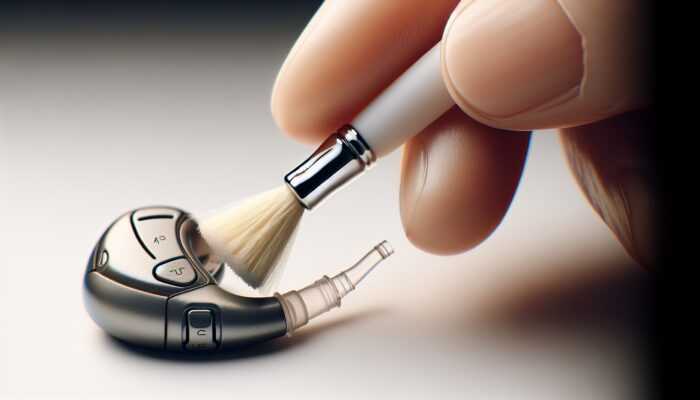
A soft brush cleaning earwax and debris from a modern hearing aid, ensuring clear sound.

Maintaining the cleanliness of your hearing aids is crucial for their performance and durability. Begin your daily care routine by using a soft brush to gently eliminate any debris, dirt, or earwax that may build up on the devices. This regular practice prevents unwanted accumulation, ensuring that the microphones and speakers perform at their best, preserving sound quality and clarity. Given the intricate design of modern hearing aids, even the tiniest particles can obstruct sound transmission. By integrating this cleaning ritual into your morning or evening routine, you can guarantee that your hearing aids stay in excellent condition and are ready for everyday use.

Be mindful of environmental factors that could impact your hearing aids. For example, those residing in coastal areas may encounter difficulties due to salt and humidity, while urban dwellers might face challenges with dust and pollution. Customising your cleaning routine to address these specific conditions can yield significant benefits. If your hearing aids are often exposed to moisture or humidity, consider increasing your cleaning frequency. Always consult the manufacturer’s guidelines for recommended cleaning products or tools, as improper materials could potentially harm your devices. While cleaning, take a moment to appreciate the vital role these small devices play in connecting you to the vibrant sounds of life around you.

Why Regular Moisture Checks are Vital for Hearing Aid Longevity

Moisture can quietly disrupt the functionality of your hearing aids, causing internal damage that may compromise their performance. Regularly checking your devices for signs of moisture is a fundamental part of your daily maintenance routine. This is particularly crucial for individuals living in hot, humid climates or engaging in activities that may induce sweating. A straightforward visual inspection can be effective; look for signs of condensation in the battery compartment or surrounding the microphones, as these could indicate moisture issues.

Taking preventive measures is equally important. Employing a dehumidifier or moisture-absorbing packets specifically designed for hearing aids can greatly reduce the risk of moisture damage. These tools are especially beneficial during humid seasons or in areas with high humidity levels. If you suspect moisture has affected your hearing aids, allow them to dry completely before using them again. Keeping a drying kit at home can be an invaluable asset for maintaining the condition of your hearing aids.

Safe Storage Practices for Your Hearing Aids

Proper storage of your hearing aids when not in use is as crucial as the maintenance you provide. Always place your devices in a dry, cool environment to shield them from environmental hazards. Avoid leaving them in places such as your car, where temperature fluctuations can negatively impact their components. Instead, consider using a dedicated storage case that protects against dirt, moisture, and physical damage.

If you travel frequently, investing in a robust yet compact travel case can be extremely advantageous. This case will safeguard your hearing aids as you explore new environments, whether trekking through the Amazon rainforest or navigating bustling street markets in Morocco. Proper storage guarantees that your hearing aids are functional and ready for whatever adventures life may present.

Best Practices for Charging Your Hearing Aids

Utilising the Manufacturer’s Charger for Optimal Performance

Using the correct charger is essential for the effective operation of rechargeable hearing aids. Each device is engineered to work optimally with its designated charger, ensuring safety and efficiency during charging. Relying on a third-party charger could lead to malfunctions or even irreparable damage to the internal battery. Keep the manufacturer-provided charger accessible and make it your primary charging device.

To enhance your charging experience, consider establishing a dedicated charging station in your home. This specific area can serve as a daily reminder to charge your hearing aids, seamlessly integrating it into your routine. A small, organised space on your bedside table or desk keeps your charger and hearing aids together, helping you remember to charge them regularly and fostering consistent habits.

How to Avoid Overcharging Your Hearing Aids

While it might be tempting to leave your hearing aids plugged in overnight, overcharging can result in battery deterioration, ultimately shortening their lifespan. Instead, aim to create a charging schedule that aligns with your daily routine. Many modern hearing aids are designed to charge quickly, offering hours of use from just a brief charging session.

By closely monitoring your charging cycles, you can prevent potential issues and prolong the life of your devices. Some users find it helpful to set reminders on their smartphones to alert them when charging is complete, ensuring timely disconnection. This proactive approach is vital for anyone seeking to maintain the optimal performance of their hearing aids.

Monitoring Battery Health for Your Hearing Aids

A person checks hearing aid battery health on a smartphone app, showing usage graph in a modern living room.

A critical aspect of caring for your rechargeable hearing aids is monitoring their battery health. Dedicate a few moments each day to check the battery indicator, which is typically accessible via the hearing aid app or directly on the device. Being aware of battery levels can help you avoid unexpected surprises when you need your hearing aids.

Consider keeping a record of your battery usage patterns, noting how long the battery lasts under various conditions. For instance, if you wear your hearing aids for extended periods during social interactions, track how this affects battery life. This information can be invaluable when discussing performance with your hearing care professional, enabling more informed decisions regarding your hearing aid usage and maintenance.

Expert Techniques for Handling and Using Hearing Aids

The Importance of Gentle Handling to Prevent Damage

Handling your hearing aids with care is essential to avoid physical damage. These advanced devices are delicate, and rough handling can easily lead to breakage. Always use gentle motions when inserting or removing them from your ears, being cautious not to apply unnecessary pressure that could compromise their integrity.

Exercise caution when cleaning your hearing aids or replacing batteries. Handling small components can lead to accidents, so consider using a designated tray or a soft surface for your tasks. This way, if something slips, the chances of it hitting a hard surface and sustaining damage are minimised.

Strategies to Prevent Water Exposure for Your Hearing Aids

Water and electronic devices do not mix well, and hearing aids are no exception. Keeping them away from sources of water is vital for their longevity. Even brief exposure to moisture can encourage mould growth or cause damage to internal components, which can be costly to repair.

Reflect on the activities you engage in daily. If you enjoy swimming or running in the rain, be mindful of how your hearing aids may react. Investing in waterproof cases or selecting hearing aids designed with water-resistant features can help protect against these risks. Make it a habit to remove your hearing aids before showering or swimming to avoid accidental exposure.

Managing Feedback to Improve Sound Quality

Feedback can be a frustrating issue for hearing aid users, often manifesting as a high-pitched whistling sound. To effectively manage feedback, it is crucial to ensure a proper fit. Hearing aids should sit snugly in your ears to minimise sound leakage that can trigger feedback.

Regular adjustments may be necessary to maintain both comfort and prevent feedback issues. Schedule visits to your audiologist for periodic fitting adjustments and to discuss any changes in your hearing needs. This collaborative approach enhances sound quality and makes your overall hearing experience much more pleasant.

The Vital Role of Regular Cleaning and Maintenance

Incorporating regular cleaning into your routine transcends surface-level care; it is essential for ensuring that your hearing aids function at their best. The longevity of your devices relies on a steadfast commitment to cleanliness, particularly in eliminating earwax and debris that can accumulate in your hearing aids.

A soft brush can be your most effective tool in this regard. Dedicating just a few minutes each day will help ensure that your hearing aids are free from obstructions that could impair sound quality. Consider investing in specialised cleaning tools specifically designed for hearing aids, as they can assist in reaching challenging areas and ensuring thorough cleaning.

Seeking Professional Care for Your Hearing Aids

The Significance of Regular Appointments with Hearing Care Professionals

Scheduling regular visits with a hearing care professional is essential for maintaining your hearing aids. Just as you would attend a dentist for routine check-ups to ensure oral health, your hearing aids require the same level of attention. These specialists can evaluate the functionality of your devices, making necessary adjustments to ensure peak performance.

Many individuals may underestimate the importance of these appointments, but neglect can lead to diminished sound quality and overall performance. A hearing care professional can offer valuable insights into how well your hearing aids are serving you and suggest improvements or upgrades when necessary, ensuring you continue to enjoy the best possible hearing experience.

The Benefits of Professional Cleaning for Your Hearing Aids

While daily cleaning is vital, certain buildups may necessitate professional intervention for thorough removal. Over time, wax and debris can accumulate in hard-to-reach areas, potentially leading to performance challenges. A professional cleaning session can effectively eliminate these persistent particles, restoring your hearing aids to peak operational condition.

Consider professional cleaning as a spa day for your devices, allowing them to operate at their best. Many hearing care providers offer this service as part of routine maintenance, ensuring that your hearing aids remain in excellent condition and ready for use.

Keeping Firmware Updated for Enhanced Performance

Staying informed about firmware updates is crucial for maintaining the latest features and performance enhancements for your hearing aids. Many manufacturers provide updates that improve functionality or address potential issues that may arise over time. Your audiologist can assist you in checking for updates, ensuring you benefit from the latest advancements in hearing technology.

Updating firmware can often be as simple as connecting your hearing aids to a smartphone app or computer. Make it a regular practice to check for these updates, as they can significantly enhance your experience and overall satisfaction with your devices.

Understanding Environmental Factors Impacting Hearing Aids

Protecting Hearing Aids from Extreme Temperature Variations

Extreme temperatures can adversely affect the performance and longevity of your hearing aids. Both excessive heat and cold can lead to battery malfunctions or even physical damage to components. For instance, leaving your hearing aids in a hot car or exposing them to freezing temperatures can cause serious harm.

When on the move, consider investing in an insulated case that can protect your hearing aids from temperature changes. This straightforward yet effective measure can be transformative for individuals living in regions with extreme climates, ensuring that your devices remain safe, functional, and reliable.

Managing Humidity to Protect Your Hearing Aids

Humidity is another environmental factor that can significantly impact the functionality of your hearing aids. Living in humid areas can lead to moisture accumulation, creating conditions that promote mould and bacteria growth. To combat this issue, consider using a specialised drying kit or a dehumidifier specifically designed for hearing aids.

Incorporating these tools into your routine can greatly enhance the lifespan of your devices. Make it a habit to dry your hearing aids after any exposure to moisture or humidity, particularly following activities that may introduce excess moisture into them.

Protecting Hearing Aids from Dust and Environmental Pollutants

Dust and pollutants are often unavoidable in our environments, yet they can pose a significant threat to the performance of your hearing aids. Keeping your devices away from dusty areas and polluted environments can greatly improve sound quality and clarity, ensuring a more enjoyable hearing experience.

To mitigate these risks, consider using protective covers when storing your hearing aids in environments prone to dust or debris. This simple yet effective step can prevent contamination and ensure that your devices remain in optimal working condition, ready for use at all times.

Implementing Proper Storage and Handling Techniques

Proper storage and careful handling of your hearing aids are crucial for protecting them from damage. When not in use, always place them in a protective case to shield them from dust, moisture, and physical impacts. This practice prolongs the lifespan of your devices and keeps them easily accessible for those moments when you need them most.

Make it a habit to handle your hearing aids gently. Before placing them in their case, ensure they are clean and dry. This attention to detail is vital for maintaining their functionality and performance, allowing you to enjoy the rich sounds of life without interruptions.

Troubleshooting Common Hearing Aid Problems

Effective Solutions for Connectivity Issues

Connectivity problems can be particularly frustrating, especially as reliance on Bluetooth technology in hearing aids increases. If you experience connectivity issues, a simple restart of your devices can often resolve the problem.

Ensure that your hearing aids are correctly paired with your devices. Check your smartphone or other Bluetooth-enabled devices to confirm that the connection is established. If issues persist, do not hesitate to consult your hearing care professional for further support and troubleshooting.

Strategies for Resolving Sound Distortion Issues

Sound distortion can significantly detract from your overall hearing experience, leading to frustration and dissatisfaction. If you notice a change in sound quality, start by checking for any obstructions that could affect performance. Thoroughly cleaning your hearing aids can often resolve this issue.

Consider whether your hearing aids are properly fitted. Misalignment can lead to sound distortion, so if you suspect this may be the case, seek a professional fitting. Achieving seamless sound quality is essential for your overall comfort and satisfaction.

Addressing Battery Drainage Concerns

If you find that your hearing aids are quickly depleting their batteries, it is essential to evaluate your usage patterns and settings. Certain features may consume more power than necessary, so adjusting these settings can help stretch battery life.

Consider lowering the volume or disabling specific features when your hearing aids are not in use. Paying close attention to battery health and usage empowers you to make adjustments that prolong the life of your devices and enhance your auditory experience.

Long-term Strategies for Effective Hearing Aid Care

The Necessity of Regularly Replacing Ear Tips and Domes

Maintaining a proper fit is essential for the effectiveness of your hearing aids, and routinely replacing ear tips and domes is a vital part of this process. Over time, these components can accumulate wax and debris, which can impede sound quality and comfort.

As a general guideline, replace ear tips and domes every few months or as needed based on usage. This simple step ensures hygiene and guarantees a comfortable fit. Consult your hearing care professional for advice on selecting the right materials that cater to your individual needs and preferences, enhancing your overall hearing experience.

Updating Accessories for Optimal Hearing Aid Maintenance

Keeping your accessories, such as cleaning tools and protective cases, up to date is often an overlooked aspect of long-term care for hearing aids. Investing in high-quality tools allows you to maintain your hearing aids effectively, ensuring their longevity and performance.

Consider the environmental conditions where you live when selecting accessories. For instance, if you reside in a humid area, opt for moisture-resistant cleaning tools and storage options. This attention to detail can significantly influence the durability and functionality of your devices, helping you achieve the best possible hearing experience.

Frequently Asked Questions About Hearing Aids

How often should I clean my rechargeable hearing aids for optimal performance?

You should clean your hearing aids daily to remove debris and prevent buildup. Regular maintenance is vital for prolonging their lifespan and ensuring optimal performance.

Is it safe to use any charger for my hearing aids without risking damage?

No, always use the charger provided by the manufacturer. Third-party chargers may not be compatible and could potentially lead to device damage or malfunction.

What should I do if my hearing aids get wet?

If your hearing aids become wet, turn them off immediately and allow them to dry completely before using them again. Consider employing a drying kit for added safety and protection.

How can I effectively prevent feedback in my hearing aids?

Ensure that your hearing aids fit snugly in your ears to minimise sound leakage and feedback. Regular adjustments from your audiologist can also help achieve a better fit.

What is the recommended frequency for professional cleaning of my hearing aids?

Aim for professional cleaning every six months or as needed, especially if you notice performance issues that daily cleaning fails to address.

What is the best method for storing my hearing aids when not in use?

Store your hearing aids in a cool, dry place inside a protective case when they are not in use, ensuring you avoid areas with extreme temperatures.

How can I effectively monitor the battery life of my hearing aids?

Many hearing aids feature a battery indicator or connect to an app displaying battery life. Regularly check this feature to prevent unexpected battery drainage.

What should I do if I experience sound distortion in my hearing aids?

Check for any obstructions in your hearing aids and ensure they are fitted correctly. If issues persist, consult your hearing care professional for further evaluation and assistance.

How long can I expect the batteries in rechargeable hearing aids to last?

Rechargeable hearing aid batteries typically last between 10 to 20 hours, depending on usage patterns and settings. Regularly check the battery health indicator for timely updates.

Am I allowed to make adjustments to my hearing aids myself?

While minor adjustments like volume control can often be managed by the user, more significant changes should be performed by a hearing care professional to ensure optimal results and performance.

Discover more about us on X!

The post Rechargeable Hearing Aids: Essential Care Tips for Longevity appeared first on The Microsuction Ear Wax Removal Network.

Originally posted 2025-05-09 03:12:48.

The post Rechargeable Hearing Aids: Tips for Long-lasting Care appeared first on Healthcare Marketing Service.

Categories
Health & Wellness Hearing Care

Professional Fitting: The Essential Step for Hearing Aids

Last Updated on 02/05/2025 by Admin

Tailoring Hearing Solutions to Suit Individual Needs

Enhancing Sound Settings for Superior Hearing Quality

The experience of hearing loss is unique to each individual, highlighting the critical need for professional fitting of hearing aids. Qualified audiologists perform comprehensive evaluations to discern specific patterns of hearing loss unique to each person. This targeted methodology leads to customised sound settings that enhance both comfort and clarity. With appropriate professional guidance, users can expect a hearing aid experience refined to their individual auditory preferences, enabling them to relish sounds with greater clarity and enjoyment.

For example, an audiologist may adjust the frequency response of hearing aids based on the user’s audiogram, ensuring vital sounds such as speech are amplified while reducing distracting background noise. These configurations are flexible and can be updated over time as the user’s hearing demands change, thus ensuring sustained satisfaction and effectiveness. Such customisation greatly enhances everyday interactions, making conversations, laughter, and whispers significantly clearer and more pleasurable for users.

Through professional fitting, users can explore various sound profiles tailored to different environments, whether in a serene room, a bustling café, or a lively park. By meticulously calibrating these settings, professionals empower users to engage in social interactions with newfound confidence and ease.

Understanding Ear Anatomy for Improved Device Functionality

The complex shape and size of each person’s ear have a substantial impact on the performance of hearing aids. This anatomical diversity underscores the necessity of professional fitting. A well-fitted hearing aid not only enhances sound transmission but also ensures comfort and stability throughout the day. Audiologists have the expertise to assess ear structures, allowing them to make precise adjustments that accommodate various ear shapes, ensuring devices fit securely and comfortably.

Improperly fitted hearing aids can lead to numerous complications, including discomfort and ineffective sound amplification. Professionals utilise advanced imaging and moulding techniques to create custom ear moulds that perfectly suit the user’s ear canal, avoiding sound leakage and optimising the auditory experience. This careful consideration of ear anatomy is especially important for individuals with unique ear shapes or those who may have experienced anatomical changes due to age or health conditions.

A proper fit diminishes the risk of irritation and potential ear infections that may arise from improper device usage, highlighting the vital role expert fitting plays in the long-term success of hearing aids. This proactive strategy enables users to fully enjoy their devices without compromising their ear health.

Customising Hearing Aids to Match Lifestyles and Environments

Given the diverse lifestyles individuals lead, it’s essential for their hearing aids to reflect this variety. Professionals play a crucial role in adjusting hearing aids to align with users’ daily activities and environmental needs, which significantly boosts their functionality. For instance, someone working in a vibrant café will require different sound settings than someone who spends their time in a quiet office. Through a tailored fitting process, audiologists can expertly calibrate hearing aids to adapt to various settings, ensuring users can communicate effectively regardless of their surroundings.

To illustrate, if a user frequently participates in social events, the audiologist may enhance the device’s ability to filter out background noise, prioritising speech frequencies essential for conversation. Conversely, for users who spend considerable time outdoors, adjustments can be made to reduce wind noise, resulting in a more enjoyable listening experience.

This adaptability not only increases the practical utility of hearing aids but also enhances overall user satisfaction. Appropriate adjustments empower individuals to fully engage in their lives, whether they are enjoying family gatherings, attending concerts, or simply relaxing at home.

Integrating User Preferences into Hearing Aid Configuration

Hearing aids are not a one-size-fits-all solution; they must be tailored to accommodate each user’s unique preferences to ensure a satisfying auditory experience. The importance of professional fitting is clear as audiologists collaborate closely with users to comprehend their sound quality preferences, volume adjustments, and desired features within their devices. This collaborative method significantly enhances user satisfaction, allowing hearing aids to function in harmony with personal tastes and lifestyle requirements.

For instance, some users may prefer a more natural sound experience, while others might enjoy enhanced treble or bass tones. A professional fitting facilitates real-time experimentation with these settings, ensuring the resulting sound profile aligns with their expectations and feels comfortable. This careful consideration of user preferences profoundly influences how individuals perceive their hearing aids, affecting their willingness to wear them consistently.

Professionals can incorporate features like adaptive sound technology, which automatically adjusts to different auditory environments, accommodating user preferences without necessitating manual changes. This high degree of personalisation fosters a strong bond between the user and their hearing aids, leading to increased satisfaction and commitment to regular device use.

Ongoing Support and Adjustments for Optimal Hearing Performance

Hearing health is ever-changing; as users experience shifts in their hearing abilities, their hearing aids must adapt accordingly. This highlights the necessity of professional fitting, as continuous adjustments and support are crucial for maintaining optimal hearing aid performance. Regular follow-up appointments with an audiologist ensure that the hearing aids continue to meet the user’s evolving needs, allowing for timely modifications based on their feedback and any changes in their hearing condition.

As individuals age or face changes in their auditory health due to medical conditions, having a professional available for necessary adjustments guarantees that their devices remain effective. These modifications may include fine-tuning amplification levels, altering sound profiles, or updating software to enhance overall performance and user experience.

This continuous support cultivates trust and builds a lasting relationship between the user and their audiologist. Users feel empowered knowing they have expert guidance to navigate their hearing journey, enhancing their ability to enjoy the sounds of laughter, music, and conversation without barriers.

Ensuring Exceptional Performance from Hearing Aids

Leveraging Cutting-Edge Technology for Enhanced Auditory Experiences

Contemporary hearing aids incorporate cutting-edge technology that can profoundly enhance auditory experiences. Effectively harnessing these advancements necessitates professional expertise, underscoring the importance of professional fitting for hearing aids. Audiologists are knowledgeable about the latest features, including Bluetooth connectivity, smartphone integration, and noise-cancellation technology. Their extensive training equips them to optimise these innovations for maximum user benefit.

For example, a professional can enable seamless connectivity between hearing aids and smartphones, allowing users to stream music, phone calls, and other audio directly into their devices. This capability can transform how users interact with their environments, providing a level of convenience that significantly enhances daily living. Audiologists also educate users on how to effectively utilise these features, ensuring they maximise the potential of their hearing aids.

Professionals can implement advanced noise reduction algorithms that filter out background sounds, making conversations clearer and more enjoyable. Each adjustment is tailored to the individual user, ensuring they experience the full range of benefits offered by modern hearing aids. This integration of technology not only elevates the auditory experience but also empowers users to stay connected in an increasingly digital world.

Prioritising Regular Maintenance and Adjustments

To ensure long-term success with hearing aids, routine maintenance and adjustments by professionals are essential. The necessity for professional fitting extends beyond the initial setup; ongoing care is vital to guarantee that devices continue to perform optimally over time. Audiologists recommend regular check-ups to recalibrate settings, clean devices, and replace any components that may wear out.

For instance, routine maintenance may involve cleaning microphones and receivers to ensure that dust and earwax do not compromise sound quality. Audiologists provide valuable advice on how to care for hearing aids at home, guiding users on best practices for cleaning and storage. This proactive approach helps prevent potential issues, extending the lifespan of devices and minimising the likelihood of costly repairs or replacements.

As users undergo changes in their hearing health, professionals can make timely adjustments to accommodate these shifts, ensuring continued effectiveness. This ongoing relationship between users and audiologists fosters trust and confidence, empowering users to embrace their hearing aids as essential tools for enhancing their quality of life.

Resolving Technical Issues with Professional Guidance

Technical problems can arise unexpectedly, potentially disrupting the user experience. Having a professional audiologist available to troubleshoot these challenges is invaluable. The importance of professional fitting is evident in the expertise that professionals bring to diagnosing and resolving technical difficulties, ensuring users can enjoy their hearing aids without interruption.

For example, if a hearing aid begins to emit distorted sounds or fails to connect to other devices, an audiologist can promptly identify the underlying cause and implement effective solutions. This may involve adjusting settings, replacing batteries, or repairing damaged components. Users benefit from swift resolutions, minimising downtime and ensuring they remain engaged with their environment.

Professionals educate users on common issues they might encounter, empowering them to conduct basic troubleshooting independently. This education fosters a deeper understanding of their devices, enhancing user confidence and encouraging consistent use.

Prioritising Health and Safety in Hearing Aid Usage

Preventing Ear Damage Through Expert Fitting

Wearing hearing aids that are not professionally fitted can lead to serious health complications, including ear damage. This highlights the critical necessity for professional fitting for hearing aids. Audiologists ensure that devices are customised to individual ear shapes and sizes, preventing pressure points that can cause discomfort or injury.

An improper fit can lead to various issues, such as skin irritation, persistent itching, and even infections. Professionals conduct thorough examinations of the ear canal and surrounding structures to allow for precise adjustments that promote safe and effective usage. This meticulous attention to detail is particularly crucial for individuals with sensitive ears or pre-existing conditions.

Professional fittings also include education on safe hearing aid usage and maintenance. This guidance helps users understand the importance of routine cleaning and the necessity of removing devices during certain activities, such as swimming or showering. By addressing these factors, audiologists play an essential role in safeguarding users’ ear health, ensuring that their devices enhance their lives rather than detract from them.

Consistent Monitoring of Ear Health

Regular check-ups with a professional audiologist are fundamental for monitoring ear health, thus highlighting the need for professional fitting. Audiologists are trained to identify potential ear health issues that users may overlook, such as wax buildup or early signs of infection. Regular appointments allow for continuous assessments of ear health, ensuring that users can enjoy their hearing aids without complications.

For example, audiologists often conduct hearing tests during follow-up visits to monitor any changes in hearing ability over time. These evaluations help identify fluctuations that may necessitate adjustments to the hearing aids, guaranteeing that users receive optimal sound amplification based on their current auditory condition.

This proactive approach to ear health not only enhances the effectiveness of hearing aids but also aids in the early detection of potential health concerns, allowing for timely intervention. Users can trust that their audiologist is committed to their overall well-being, creating a supportive environment for managing their hearing health.

Tackling Related Health Conditions

Hearing loss often intersects with other health issues, making professional oversight crucial. The importance of professional fitting extends beyond optimal hearing, addressing any related health conditions that may impact hearing aid usage. Audiologists are trained to identify signs of disorders such as tinnitus, balance issues, and even cognitive decline, all of which can affect how users perceive sound.

For example, individuals experiencing tinnitus may require specialised adjustments to their hearing aids to manage their symptoms effectively. Audiologists can incorporate features that generate soothing sounds or white noise to help mitigate the perception of ringing in the ears, enhancing overall comfort and user satisfaction.

Professionals can facilitate referrals to other healthcare providers when necessary, ensuring that users receive comprehensive care for any related health issues. This holistic approach underscores the value of professional fitting, as it considers the user’s broader health landscape and ultimately enhances their quality of life.

Ensuring Consistent Maintenance of Hearing Aids

Routine maintenance is essential for the longevity and performance of hearing aids. Professionals are well-equipped to manage this maintenance, reinforcing the necessity for professional fitting. Regular cleaning, component inspections, and software updates are vital practices that audiologists undertake to keep devices functioning at their best.

During maintenance appointments, audiologists check for any signs of wear and tear, clean microphones and receivers, and replace batteries as needed. This diligent care prevents breakdowns and guarantees that users derive the full benefits of their hearing aids.

Professionals educate users on how to care for their devices at home, providing practical tips on cleaning, storage, and handling. This knowledge empowers users to take an active role in maintaining their hearing aids, fostering a sense of ownership and responsibility for their hearing health.

Educating Users on Safe Hearing Aid Practices

Education is integral to the successful use of hearing aids. Professionals offer guidance on safe usage practices, ensuring users comprehend how to operate their devices effectively and avoid potential pitfalls. The importance of professional fitting extends to educating users about safety measures that enhance their overall experience.

For instance, audiologists advise users on when to remove hearing aids, such as during swimming or engaging in activities that may expose the devices to moisture or physical strain. This knowledge helps prevent damage and ensures that users can enjoy their hearing aids worry-free.

Safety education encompasses tips for managing battery life, recognising signs of malfunction, and understanding when to seek professional assistance. By equipping users with this information, audiologists empower them to navigate their hearing journey confidently, fostering a positive relationship with their devices.

Maximising User Comfort with Hearing Aids

Minimising Feedback and Whistling Noises

One of the most irritating aspects of wearing hearing aids can be the feedback and whistling noises that may occur. Professional fitting is vital in reducing these disruptions, as audiologists have the expertise to adjust settings that prevent feedback. By understanding sound acoustics within the ear, they can calibrate devices to effectively diminish these bothersome sounds.

By fine-tuning the gain and frequency response of hearing aids, professionals create a more seamless listening experience. This meticulous adjustment process allows users to enjoy their devices without the distraction of feedback, significantly enhancing overall comfort and satisfaction during use.

Audiologists can instruct users on proper insertion and wearing techniques, further decreasing the likelihood of feedback. When users feel assured that their devices will function optimally, they are more inclined to wear them consistently, enhancing their overall hearing experience and engagement with the world around them.

Achieving an Ideal Fit for Optimal Comfort

Comfort is crucial when it comes to using hearing aids. A professional fitting guarantees that devices are comfortable for extended wear, addressing common concerns like pressure points and irritation. Audiologists utilise precise measurements and adjustments based on user feedback to achieve a perfect fit.

Custom moulds can be created for users, ensuring a snug and secure fit that enhances both comfort and performance. This tailored approach not only elevates the wearer’s experience but also prevents common issues associated with ill-fitting devices, such as discomfort and diminished sound quality.

Individuals with unique ear shapes or sizes greatly benefit from professional fitting, as audiologists can modify devices to meet their specific needs. The outcome is a more enjoyable experience that encourages consistent use, ultimately leading to improved hearing outcomes and quality of life.

Utilising Custom Ear Moulds for a Superior Fit

For many individuals, custom ear moulds provide the optimal solution for achieving a comfortable and effective fit with their hearing aids. Professionals can create these moulds based on individual ear anatomy, ensuring a personalised solution that enhances sound quality and comfort.

The process involves taking detailed impressions of the ear canal, which allows for the production of moulds that fit perfectly. These custom ear moulds help prevent sound leakage and improve noise isolation, ensuring users receive the full benefit of their hearing devices without distraction.

Custom moulds can be crafted from a variety of materials to accommodate user preferences, including softer options for comfort or harder materials for durability. This level of personalisation transforms the hearing aid experience, enabling users to engage more fully with their environments without the discomfort of poor fit.

Enhancing Communication Skills Through Hearing Aids

Improving Clarity and Understanding of Speech

Effective communication is essential for social engagement, and professionals play a pivotal role in enhancing speech clarity through precise adjustments to hearing aids. By understanding the specific nuances of speech frequencies, audiologists can tailor devices to amplify critical sounds while minimising distracting background noise. This focus on speech clarity is a key reason for why professional fitting for hearing aids is indispensable.

Professionals evaluate the user’s unique hearing profile and adjust settings accordingly, ensuring that conversation partners are heard distinctly and clearly. This is particularly important in environments with prominent background noise, such as restaurants or busy social gatherings. The appropriate adjustments can greatly enhance the user’s ability to engage in conversations, fostering deeper connections with others and improving overall communication effectiveness.

Audiologists can implement features such as speech enhancement algorithms that prioritise vocal sounds over ambient noise. This advanced technology further supports clear communication, allowing users to participate actively in discussions without undue strain or effort.

Incorporating Noise Reduction Features

In an increasingly noisy world, noise reduction features in hearing aids are invaluable. Professionals can optimise these settings based on the user’s lifestyle and preferences, significantly enhancing communication in noisy environments. The importance of professional fitting is evident as audiologists customise noise reduction features to cater to individual listening needs.

For example, in crowded areas, a professional may adjust settings to minimise background chatter while enhancing the clarity of speech. This thoughtful calibration allows users to focus on conversations without being overwhelmed by surrounding noise and distractions.

Audiologists can instruct users on how to activate and adjust these features, empowering them to effectively adapt their hearing aids to different environments. This level of customisation ensures that users can navigate various social situations with confidence and ease.

Fine-Tuning Directional Microphone Capabilities

Directional microphones are a powerful feature of modern hearing aids, and professionals are instrumental in fine-tuning this capability for optimal performance. By adjusting the directional functionalities of hearing aids, audiologists can assist users in focusing on specific sounds, such as conversations, while minimising unwanted background noise.

For instance, when attending a lecture or a meeting, directional microphones can be optimised to highlight the speaker’s voice, thereby providing clearer sound quality. Such adjustments are critical for enhancing the overall communication experience, ensuring that users can absorb information effectively and engage meaningfully.

Professionals can educate users on how to utilise their directional microphones in various settings, empowering them to take control of their hearing experience. This personalised approach enriches the user’s daily interactions, allowing for a more engaged and fulfilling social life.

Exploring Wireless Connectivity Options

The advent of wireless technology has revolutionised the way users interact with their hearing aids. Professionals play a critical role in facilitating these wireless connectivity options, which greatly enhance the overall communication experience. By integrating Bluetooth capabilities, audiologists enable users to connect their hearing aids to smartphones, televisions, and other devices, creating a seamless auditory experience.

This connectivity allows users to stream music, take phone calls, and participate in video conferences, all while benefiting from the amplification provided by their hearing aids. Audiologists guide users on how to utilise these features effectively, ensuring they can enjoy the full spectrum of audio experiences available to them.

Professionals can recommend compatible devices and applications that enhance the user experience, providing an additional layer of support. This integration of technology not only enriches daily life but also fosters a sense of empowerment, allowing users to stay connected in an increasingly fast-paced, digital world.

Ensuring Long-Term Cost Efficiency with Hearing Aids

Avoiding Unnecessary Replacements Through Professional Fitting

Investing in hearing aids represents a significant financial commitment, and ensuring they are fitted professionally can save users money in the long term. The importance of professional fitting lies in its ability to reduce the need for frequent replacements. By receiving personalised adjustments, users can extend the lifespan of their devices, thus avoiding the costs associated with purchasing new hearing aids.

Proper fitting combined with regular maintenance helps ensure that devices operate optimally, decreasing the likelihood of malfunctions that may necessitate costly repairs or replacements. Audiologists educate users on best practices for care and usage, further prolonging device lifespan and enhancing cost-effectiveness.

By addressing issues early through routine check-ups, professionals can prevent minor problems from escalating into significant concerns. This proactive strategy not only bolsters user satisfaction but also contributes to long-term financial efficiency and peace of mind.

Maximising Warranty and Service Benefits

Many hearing aids include warranties and service packages that can substantially reduce overall costs. Professional fitting often comes with these advantages, underscoring the importance of professional fitting in securing long-term value. Users can enjoy peace of mind knowing their investment is protected against defects and malfunctions.

Audiologists explain the terms of warranties and service packages during the fitting process, ensuring users understand their rights and responsibilities. This knowledge empowers individuals to fully capitalise on the services available to them, maximising the lifespan and functionality of their hearing aids.

Users who cultivate a professional relationship with their audiologist can benefit from expedited service and support, making it easier to access repairs or adjustments as needed. This level of service not only enhances user satisfaction but also reinforces the value of professional fitting in the overall hearing aid journey.

Enhancing Device Lifespan Through Expert Care

The longevity of hearing aids is directly related to how well they are fitted and maintained. Professional fitting is crucial in maximising device lifespan, as audiologists ensure that users receive appropriate adjustments and ongoing support. When hearing aids are customised to individual needs, they are less likely to experience wear and tear that could lead to premature replacement.

Regular check-ups and maintenance appointments are essential for keeping devices in peak condition. Audiologists provide guidance on caring for hearing aids, including cleaning practices and battery management, which contribute to a longer lifespan.

Understanding how to operate devices effectively plays a crucial role in maintaining their functionality. Professionals empower users with knowledge and skills that enhance both their experience and the longevity of their hearing aids, ultimately leading to improved long-term cost efficiency.

Providing Psychological and Emotional Support for Users

Addressing User Concerns and Building Confidence

Wearing hearing aids can elicit a range of emotions, from frustration to anxiety. Having a professional audiologist available to address these concerns is vital. The importance of professional fitting extends beyond technical adjustments; it encompasses emotional support that fosters confidence and acceptance of hearing aids.

Professionals provide reassurance and understanding, helping users navigate their feelings surrounding device use. By actively listening to their concerns and offering practical solutions, audiologists create a safe space for users to express their emotions and challenges.

Addressing concerns about appearance and social stigma is crucial for building confidence. Professionals can assist users in selecting styles and colours that align with their preferences, ensuring they feel comfortable and empowered while wearing their devices. This emotional support enhances the overall user experience, fostering a positive relationship with hearing aids.

Encouraging Consistent Use of Hearing Aids

The support provided by professionals is paramount in encouraging consistent use of hearing aids. Users who feel understood and supported are more likely to wear their devices regularly, enhancing their overall auditory experience. The importance of professional fitting becomes apparent as professionals aid users in integrating hearing aids into their daily routines.

Audiologists can offer strategies and tips for overcoming challenges associated with hearing aid use, such as discomfort or social anxiety. By addressing these barriers, professionals empower users to embrace their devices, fostering a sense of independence and confidence in their auditory capabilities.

Ongoing support and follow-up appointments reinforce the importance of consistent usage. Users are reminded of the myriad benefits of wearing their hearing aids regularly, contributing to a more fulfilling auditory experience. This supportive framework enhances overall satisfaction, encouraging individuals to engage fully in their lives.

Frequently Asked Questions

What is the significance of professional fitting for hearing aids?

Professional fitting ensures that hearing aids are customised to an individual’s specific hearing loss, ear structure, and lifestyle, maximising their performance and comfort throughout daily use.

How frequently should I visit an audiologist after acquiring hearing aids?

Regular check-ups are advisable at least once a year, but more frequent visits may be necessary if you notice any changes in your hearing or if your hearing aids require adjustments.

Can I independently adjust my hearing aids?

While some hearing aids have user-controlled settings, it’s best to consult an audiologist for significant adjustments to ensure optimal performance and comfort tailored to your specific needs.

What can I expect during a professional fitting appointment?

During a fitting appointment, an audiologist will assess your hearing, take ear impressions, and adjust the settings of your hearing aids to ensure a comfortable and effective fit tailored to your needs.

How can I maintain my hearing aids at home effectively?

Regularly clean your hearing aids, avoid exposing them to moisture, store them properly, and replace batteries as necessary. Your audiologist will provide specific care instructions tailored to your devices.

What should I do if my hearing aids are not functioning properly?

If your hearing aids are not performing as expected, schedule an appointment with your audiologist to troubleshoot the issue and make necessary adjustments to restore functionality.

Are there various styles of hearing aids available?

Yes, hearing aids come in a variety of styles, including behind-the-ear, in-the-ear, and completely-in-canal models. Your audiologist can assist you in selecting the best style based on your preferences and needs.

Can I wear hearing aids while sleeping or exercising?

It’s generally recommended to remove hearing aids while sleeping or during vigorous exercise. Consult your audiologist for specific advice based on your lifestyle and activity levels.

Will wearing hearing aids improve my quality of life?

Yes, wearing hearing aids can significantly enhance communication abilities, social interactions, and overall quality of life by improving auditory experiences and connections with others.

What should I do if I experience discomfort with my hearing aids?

If you encounter discomfort, contact your audiologist promptly for adjustments or troubleshooting. Proper fitting is crucial to ensuring your hearing aids are comfortable and effective for daily use.

Explore our journey on X!

The post Hearing Aids: The Essential Need for Professional Fitting appeared first on The Microsuction Ear Wax Removal Network.

Originally posted 2025-05-03 03:13:11.

The post Hearing Aids: Why Professional Fitting is Essential appeared first on Healthcare Marketing Service.

Categories
Health & Wellness Hearing Care

Hearing Loss: Distinct Experiences for Everyone

Last Updated on 11/01/2026 by Admin

Exploring the Fundamental Influencers of Hearing Loss Experiences

What Are the Primary Biological Factors That Impact Hearing Loss?

The biological factors influencing hearing loss are varied and complex, encompassing genetic predispositions, the intricate structures of the inner ear, and individual physiological traits that shape auditory experiences. For example, individuals with hereditary conditions like <a href="https://www.earwaxremoval.net/otosclerosis-and-its-impact-on-hearing-an-in-depth-look/">otosclerosis</a> may experience gradual hearing difficulties, while others may undergo age-related cochlear changes that illustrate how personal biology distinctly influences their hearing capabilities. Everyday examples, such as a family history of hearing impairment, further underscore how these biological variations can manifest; siblings may share similar environments yet exhibit vastly different auditory abilities due to their unique genetic makeups. This highlights the importance of acknowledging biological diversity when assessing individual hearing health.

How Do Environmental Factors Shape Hearing Loss Experiences?

Environmental factors are pivotal in shaping the experiences of hearing loss. Aspects such as exposure to loud sounds in busy urban settings or the prevalence of industrial noise in specific workplaces can lead to various auditory challenges for individuals. For instance, people living in metropolitan areas may suffer from significant hearing degradation due to persistent noise pollution, while those in quieter rural locations may face different auditory conditions, thus affecting their overall hearing perception. These contrasting environments illustrate the universal patterns in how surroundings significantly impact individual auditory health and emphasise the necessity for awareness regarding environmental influences on hearing.

How Do Emotions React to Hearing Challenges?

The emotional landscape surrounding hearing loss is intricate, often characterised by a spectrum of feelings that vary from person to person. Individuals may struggle with emotions such as isolation, frustration, or anxiety as they adjust to changes in their auditory capabilities. Common emotional triggers include:

  • Fear of social interactions
  • Frustration with communication barriers
  • Isolation from friends and family
  • Concerns regarding self-image and identity

Recognising these emotional triggers is essential for creating supportive environments that encourage resilience and adaptation. By fostering understanding and empathy, we can assist individuals in navigating the emotional challenges associated with hearing loss, ultimately leading to a more positive experience.

What Role Do Social Factors Play in Shaping Hearing Loss Experiences?

Social factors significantly influence how individuals perceive and cope with hearing loss. The stigma surrounding auditory impairments can lead to social withdrawal and negatively impact mental health, while robust support networks can enhance resilience. Active participation in community activities, such as support groups, can greatly improve emotional well-being, offering members not only practical advice but also a sense of solidarity through shared experiences. Such interactions underscore the importance of social engagement in adapting to hearing challenges and highlight the essential role of community in fostering a fulfilling life despite auditory difficulties.

How Do Personal Differences Shape Hearing Loss Experiences?

The Impact of Personal Health History on Hearing Loss Experiences

Personal health history plays a vital role in shaping individual experiences of hearing loss. Previous health incidents, such as recurrent ear infections or head trauma, can lead to varying degrees of auditory impairment that differ significantly among individuals. For example, a person with a history of chronic otitis media might experience fluctuating hearing abilities, while another may suffer from a more progressive type of hearing loss. Regular check-ups to monitor changes in auditory perception are crucial for effectively understanding and managing these variations, ensuring individuals receive appropriate care tailored to their unique health narratives.

How Do Cognitive Processing Variations Affect Hearing Loss Perception?

Cognitive processing abilities greatly influence how individuals perceive and respond to hearing loss. Differences in brain function, including conditions like auditory processing disorders, can create distinct experiences even among those who have similar levels of hearing impairment. For instance, some individuals may find it particularly challenging to understand speech in noisy environments due to cognitive overload, while others with comparable hearing capabilities navigate these situations effortlessly. This divergence highlights the necessity for personalised approaches in addressing hearing challenges, as understanding cognitive differences can lead to more effective communication strategies and support.

How Do Social Interactions Aid Adaptation to Hearing Loss?

Daily social interactions are pivotal in shaping how individuals adapt to hearing loss. Engaging in conversations often alters one’s perception of auditory challenges, as effective communication techniques can alleviate feelings of frustration and isolation. For example, someone who frequently participates in group activities may cultivate adaptive strategies that enhance their overall auditory experience. Recognising the dynamics of communication within varying social contexts emphasises the importance of fostering supportive relationships, which can significantly ease the adjustment process for those dealing with hearing loss.

What Genetic Factors Contribute to Hearing Loss Susceptibility?

Genetic variations play a crucial role in determining an individual’s vulnerability to hearing loss and its progression. Factors such as inherited genes and family history can predict risk levels, influencing how individuals experience auditory changes over time. For instance, those with a family background of hearing impairment may be more susceptible to developing similar conditions. Genetic testing can serve as a proactive approach, providing tailored prevention strategies that align with an individual’s unique genetic profile, thereby enhancing the management of auditory health and empowering individuals to take informed actions regarding their hearing.

What Do Expert Studies Reveal About Hearing Loss Variability?

What Insights Do Experts Provide on Variations in Hearing Loss Experiences?

Research reveals significant diversity in the experiences of hearing loss, uncovering underlying mechanisms that contribute to this variability. Key findings from various studies include:

  • Genetic factors are correlated with different rates of hearing loss.
  • Environmental influences can exacerbate individual differences.
  • Emotional responses play a crucial role in shaping auditory experiences.
  • Cognitive functions can significantly alter sound perception.

These insights form a foundation for understanding why hearing loss can feel unique to each individual, emphasising the intricate interplay of biological, environmental, and psychological factors that shape auditory experiences.

What Practical Strategies Do Specialists Recommend for Managing Hearing Loss?

Experts advocate several actionable strategies for effectively managing the unique experiences of hearing loss. These strategies encompass regular hearing assessments, the use of adaptive technologies, and fostering open communication with family and friends. Building awareness of individual auditory experiences is crucial for promoting understanding and acceptance, enabling individuals to navigate their hearing challenges more effectively. By implementing these expert recommendations, individuals can significantly enhance their quality of life and better manage the complexities associated with hearing loss.

What Long-Term Consequences of Hearing Loss Do Professionals Highlight?

Healthcare professionals highlight the long-term implications of hearing loss, which extend beyond auditory deficits to encompass broader health considerations. Persistent auditory challenges can lead to cognitive decline, an increased risk of depression, and social isolation, emphasising the necessity for proactive management strategies. Recognising the far-reaching consequences of hearing loss encourages individuals to pursue early intervention and support, ultimately enhancing their overall quality of life and well-being.

What Causes Variations in Symptoms of Hearing Loss?

How Do Physiological Differences Influence Hearing Loss Symptoms?

Physiological differences among individuals contribute significantly to the unique symptoms experienced with hearing loss. Variations in ear anatomy, such as the configuration of the ear canal or the density of hair cells within the cochlea, can influence how sounds are processed and perceived. For example, a person with a narrower ear canal may encounter more pronounced auditory challenges than someone with a wider canal, even if both exhibit similar levels of hearing impairment. These anatomical differences highlight the necessity for tailored approaches to managing hearing loss symptoms effectively, ensuring that interventions are personalised to meet individual needs.

How Do Lifestyle Choices Affect Hearing Loss Symptoms?

Lifestyle habits play a crucial role in shaping the variation of hearing loss symptoms experienced by individuals. Daily routines that involve exposure to loud environments or excessive use of headphones can exacerbate auditory decline. For instance, an individual who frequently attends concerts without ear protection may notice more severe hearing loss than someone who practices consistent hearing conservation strategies. Recognising these lifestyle factors is essential for individuals to take proactive measures in mitigating their risk and effectively managing the symptoms of hearing loss. By making informed choices, individuals can significantly influence their auditory health.

What Is the Role of Sensory Integration in Hearing Loss Experiences?

Sensory integration is vital in determining how individuals experience hearing loss. The interplay between various senses—such as sight and sound—can either enhance or hinder auditory experiences. For example, individuals who rely on visual cues during conversations may adapt more effectively to their hearing challenges than those who do not utilise visual support. This interplay emphasises the need to understand how sensory integration affects communication and adaptation when facing hearing loss. By recognising the role of sensory interactions, we can develop more effective strategies for supporting individuals in their auditory journeys.

How Do Environmental Factors Alter Hearing Loss Symptoms?

Environmental factors, including noise exposure, pollution, and occupational hazards, can significantly modify the symptoms of hearing loss by interacting with personal health profiles. For example, individuals employed in construction may experience heightened auditory symptoms due to continual exposure to loud machinery, while those in quieter settings might not face similar challenges. This interaction underscores the importance of public health initiatives aimed at reducing environmental risks, promoting strategies that advocate for hearing protection across various settings, and enhancing community awareness about the significance of auditory health.

Research-Backed Insights on the Unique Experiences of Hearing Loss

What Are the Key Benefits of Adaptive Technologies for Hearing Loss?

Adaptive technologies provide numerous benefits designed to address the individual differences in hearing loss. Devices such as hearing aids and cochlear implants significantly enhance communication abilities, improve personal interactions, and elevate overall quality of life. These technologies are meticulously crafted to accommodate varying degrees of hearing impairment, ensuring that individuals receive tailored auditory support that aligns with their specific needs and environments. By utilising adaptive technologies, individuals can navigate their daily lives more effectively, fostering greater independence and social engagement.

What Psychological Benefits Arise from Awareness of Hearing Loss Variability?

Understanding the variations in hearing loss offers substantial psychological benefits, fostering a sense of empowerment and agency among those affected. Increased awareness can lead to improved self-acceptance and proactive engagement with available support resources, as exemplified by individuals who seek counselling or participate in community support groups. Such initiatives enhance mental well-being, providing a pathway to resilience amidst the challenges that hearing loss presents. By promoting awareness, we can empower individuals to embrace their auditory experiences and seek the support they need.

How Does Community Support Influence Individuals with Hearing Loss?

Community support is essential in the lives of those affected by hearing loss, offering a network of shared experiences and coping strategies. Participation in local support groups fosters connection and understanding, helping individuals realise they are not alone in their struggles. Effective strategies for community support include:

  • Organising regular meetups for sharing experiences.
  • Providing resources for education on auditory health.
  • Offering workshops focused on communication techniques.
  • Facilitating access to adaptive technologies.

Such initiatives are vital for cultivating a supportive community that empowers individuals, enabling them to navigate their hearing challenges with confidence and resilience.

Understanding the Psychological Effects of Hearing Loss Variability

What Mental Health Challenges Are Linked to Hearing Loss?

Mental health challenges are prevalent among individuals experiencing hearing loss, often manifesting as anxiety, depression, or feelings of isolation. Coping strategies such as mindfulness meditation, cognitive behavioural therapy, and engaging in hobbies can help alleviate these emotional hurdles. Emphasising self-care and fostering connections with others are critical for building resilience and maintaining mental well-being amidst the auditory challenges faced. By prioritising mental health, individuals can enhance their overall quality of life and navigate their hearing loss more effectively.

How Does Self-Perception Evolve Over Time with Hearing Loss?

Self-perception often changes as individuals adjust to hearing loss, frequently shifting from feelings of embarrassment to a sense of empowerment. Many individuals begin to recognise their strengths in communication and problem-solving, redefining their identities in light of their auditory challenges. This journey of self-discovery underscores the importance of fostering a positive self-image and promoting acceptance as individuals navigate their unique auditory experiences. By encouraging personal growth, we can help individuals embrace their identities while managing hearing loss.

How Can Awareness Cultivate Resilience in Those with Hearing Loss?

Resilience can be cultivated through increased awareness of one’s hearing loss and its implications. Strategies such as setting realistic goals, celebrating small victories, and creating robust support systems are essential. Individuals who actively engage with their challenges and seek out resources are often better equipped to handle the emotional fluctuations associated with hearing loss. This proactive approach leads to enhanced fulfilment and adaptability, enabling individuals to navigate the complexities of their auditory experiences with confidence and purpose.

Why Do Treatment Options Seem Tailored to Individual Needs?

What Are the Individual Responses to Hearing Loss Treatments?

Treatment options for hearing loss vary significantly in their effectiveness due to individual responses influenced by biological, psychological, and environmental factors. For instance, one person may respond favourably to a particular brand of hearing aid, while another may find it ineffective due to differences in ear structure or auditory processing. Understanding these individual variances is critical for developing effective treatment plans that cater specifically to each person’s unique needs and circumstances. Personalised approaches ensure a higher likelihood of success in managing hearing health.

How Does Patient Education Enhance Personalised Hearing Loss Treatments?

Patient education is vital for the personalisation of hearing loss treatments. Gaining knowledge about the nature of their condition empowers individuals to make informed decisions regarding their care. This understanding fosters a collaborative relationship with healthcare providers, enhancing engagement and compliance with treatment plans. By comprehending their unique auditory circumstances, individuals are better equipped to advocate for themselves and navigate their hearing health effectively. Education plays a pivotal role in empowering patients to take control of their auditory experiences.

What Long-Term Management Strategies Prove Effective for Hearing Loss?

Long-term management of hearing loss necessitates adaptive strategies tailored to individual needs. Common methods include:

  • Maintaining regular check-ups with audiologists.
  • Utilising hearing protection in high-noise environments.
  • Participating in auditory rehabilitation programmes.
  • Incorporating assistive listening devices as needed.

These strategies foster proactive management of hearing health, enabling individuals to preserve their auditory capabilities effectively. By adhering to a comprehensive management plan, individuals can enhance their quality of life and maintain their hearing health over time.

How Do Genetic Factors Affect Personalisation of Hearing Loss Treatments?

Genetic factors significantly impact the personalisation of hearing loss treatments. Variations in DNA can dictate how individuals respond to specific therapeutic interventions, making genetic testing a valuable tool in identifying the most effective treatment pathways. By understanding these genetic predispositions, healthcare providers can tailor interventions that align closely with each patient’s biological makeup, leading to improved outcomes and enhanced patient satisfaction. Genetic insights enable more informed decision-making in managing hearing loss.

Why Is Patient Feedback Crucial in Hearing Loss Treatment Plans?

Ongoing patient feedback is essential for refining treatment plans for hearing loss. Real-time input allows healthcare providers to make necessary adjustments based on individual experiences, thereby enhancing satisfaction and engagement. This collaborative approach fosters a partnership between patients and providers, ensuring that treatment options remain responsive to the evolving needs of individuals navigating hearing challenges. By valuing patient feedback, healthcare systems can improve the effectiveness of hearing loss treatments and support better patient outcomes.

Adapting Daily Life with Hearing Loss

What Practical Adjustments Can Improve Hearing Experiences?

Individuals can implement practical adjustments in their daily routines to significantly enhance their auditory experiences. Simple yet effective strategies include:

  • Utilising visual cues during conversations for improved understanding.
  • Minimising background noise at home to enhance focus.
  • Employing assistive listening devices when necessary to achieve clearer sound.
  • Engaging in active listening techniques to foster better communication.

These everyday adjustments not only improve communication but also promote confidence in social interactions, enabling individuals to navigate their hearing challenges more effectively. By adopting these practices, individuals can create an environment conducive to better hearing and communication.

How to Establish Supportive Routines for Effective Hearing Loss Management?

Creating supportive routines is critical for managing hearing loss effectively. Establishing consistent communication practices with family and friends can help ensure clarity and reduce feelings of anxiety. Regularly scheduled discussions about auditory health can foster understanding and support, allowing individuals to express their needs openly. These habits enhance resilience and contribute to a more fulfilling life, helping individuals feel more connected and supported in their auditory journeys despite challenges.

What Future Considerations Should Be Made for Ongoing Hearing Care?

Proactive steps for long-term management of hearing loss involve staying informed about advancements in treatment options and technologies. Engaging in continuous learning about auditory health fosters empowerment and adaptability. Regularly reassessing personal auditory needs and seeking professional guidance enables individuals to make informed decisions, ensuring that their approach to managing hearing loss remains relevant and effective. By considering future developments, individuals can better equip themselves to handle their auditory health.

FAQs About Hearing Loss

What Are the Common Causes of Hearing Loss?

Common causes of hearing loss include aging, exposure to loud noises, genetic predispositions, ear infections, and chronic health conditions such as diabetes or hypertension. Understanding these causes can aid in prevention and management.

Is Hearing Loss Reversible?

In some cases, hearing loss can be reversible, particularly if caused by earwax buildup or infections. However, age-related and certain genetic forms of hearing loss are typically permanent. Identifying the underlying cause is crucial for effective treatment.

What Are the Signs of Hearing Loss?

Signs of hearing loss include difficulty understanding conversations, needing to watch lips to follow speech, frequently asking people to repeat themselves, and increased sensitivity to loud sounds. Being aware of these signs can facilitate early intervention.

How Can I Protect My Hearing?

Protect your hearing by using earplugs in noisy environments, avoiding prolonged exposure to loud sounds, and keeping volume levels moderate when using headphones. Adopting these practices can help preserve hearing health over time.

What Treatments Are Available for Hearing Loss?

Treatment options for hearing loss include hearing aids, cochlear implants, assistive listening devices, and auditory rehabilitation programmes. Each option is tailored to individual needs, ensuring effective management of hearing challenges.

How Does Hearing Loss Affect Mental Health?

Hearing loss can lead to feelings of isolation, anxiety, and depression, as communication difficulties may adversely affect social interactions. Seeking support and treatment can significantly alleviate these mental health challenges.

Are There Lifestyle Changes That Can Help with Hearing Loss?

Adopting a healthy lifestyle, including regular exercise, a balanced diet, and avoiding tobacco use, can support hearing health and potentially mitigate the effects of hearing loss. Lifestyle choices play a vital role in overall well-being.

What Is the Difference Between Conductive and Sensorineural Hearing Loss?

Conductive hearing loss occurs when sound cannot efficiently travel through the outer ear canal to the eardrum and the tiny bones of the middle ear. Sensorineural hearing loss results from damage to the inner ear or the auditory nerve pathways to the brain. Understanding these differences is essential for appropriate treatment.

Can Children Experience Hearing Loss?

Yes, children can experience hearing loss, often due to congenital issues, ear infections, or exposure to loud noises. Early detection and intervention are crucial for effective management and support of auditory development.

How Can I Support Someone with Hearing Loss?

Support someone with hearing loss by being patient, using clear speech, minimising background noise, and encouraging them to share their needs and preferences regarding communication. Your understanding can make a significant difference in their experience.

Connect with us on X today!

The post Hearing Loss: Unique Experiences for Every Individual appeared first on The Microsuction Ear Wax Removal Network.

Categories
Health & Wellness Hearing Care

Preventing Hearing Aid Failures: Essential Tips for All

Last Updated on 10/12/2025 by Admin

Identifying Key Factors That Cause Hearing Aid Failures

Understanding How Moisture and Humidity Negatively Affect Hearing Aids

Moisture poses a significant threat to the functionality and longevity of hearing aids, often resulting in corrosion and a range of performance issues that can severely hinder their effectiveness. In environments characterised by high humidity—whether in tropical climates or simply damp indoor settings—moisture can penetrate the delicate electronic components of hearing aids, leading to operational malfunctions. To ensure that hearing aids remain in optimal condition and have an extended lifespan, it is crucial to keep them dry. Users should consider adopting protective measures such as storing hearing aids in a dry box or case when not in use, employing silica gel packets in storage areas to absorb moisture, investing in a specialised dehumidifier, and avoiding wearing hearing aids during showering, swimming, or any activities involving water exposure.

  • Always store hearing aids in a dry box or case when they are not in use.
  • Utilise silica gel packets in storage areas to effectively absorb excess moisture.
  • Invest in a specialised dehumidifier designed specifically for hearing aids.
  • Refrain from wearing hearing aids while showering, swimming, or engaging in any water-related activities.

By implementing these essential precautions, users can significantly reduce the risk of moisture-related failures, ensuring that their hearing aids operate effectively for many years.

Ensuring Optimal Sound Quality by Addressing Earwax and Debris Buildup

While earwax serves a vital purpose in maintaining ear health, it can become a troublesome issue for hearing aid users. Over time, earwax can accumulate and obstruct both the receiver and microphone of the device, resulting in decreased sound quality that users may not notice until they perform a thorough cleaning. To maintain optimal functionality and clear audio, it is crucial for users to regularly clean both their ears and their hearing aids. Establishing a habit of regularly checking devices for earwax and debris accumulation is essential. Moreover, scheduling periodic professional cleaning sessions can provide a thorough maintenance solution, preventing issues related to decreased audio clarity and ensuring a superior listening experience.

Minimising Physical Damage Through Proper Handling of Hearing Aids

Hearing aids are intricate, compact devices that necessitate careful handling to avoid physical damage. Mishandling, such as dropping them or neglecting proper storage, can lead to hidden cracks or internal damage that compromises their functionality. Users should exercise caution when placing their hearing aids down or during the cleaning process. Employing a soft cloth or a designated hearing aid bag can provide extra protection against accidental drops. Furthermore, establishing a routine for inspecting the physical condition of the devices can help users identify any potential issues early on, thereby preventing them from escalating into significant problems.

Troubleshooting Common Battery Issues for Continuous Hearing Aid Performance

Battery-related challenges rank among the most frequent causes of hearing aid failures. Users often encounter issues such as dead batteries or improperly installed batteries, both of which can result in unexpected device failures. Regularly checking battery levels is vital to ensure that hearing aids remain fully operational. It is essential to follow the manufacturer’s guidelines for battery installation, as incorrect placement can lead to malfunctions. Additionally, users should consider carrying spare batteries while out and about to avoid interruptions in their hearing experience. Recognising signs that indicate when batteries need replacing can prevent unnecessary frustrations and help maintain the optimal performance of hearing aids.

Key Maintenance Strategies for Your Hearing Aids

What Are the Most Effective Cleaning Techniques for Hearing Aids?

Maintaining the cleanliness of hearing aids is fundamental to ensuring their performance and extending their lifespan. Regular cleaning prevents wax accumulation, which can hinder sound quality and overall functionality. Users should establish a consistent cleaning routine that employs appropriate tools and techniques to keep their devices in excellent condition. Consider the following effective cleaning practices:

  • Use a soft, dry cloth to wipe down the outer surfaces daily.
  • Gently utilise a soft brush to remove any debris from the microphones and receivers.
  • Employ a specialised hearing aid cleaning kit for thorough and effective maintenance.
  • Regularly check and replace wax guards as necessary to prevent buildup.

By adhering to these cleaning practices, users can effectively ensure their hearing aids continue to function optimally and provide the best auditory experience possible.

Best Practices for Safely Storing Hearing Aids to Prolong Lifespan

Proper storage of hearing aids when they are not in use is crucial for prolonging their lifespan. Keeping the devices in a dry, secure place helps protect them from moisture damage and accidental mishaps. It is advisable to use a protective case specifically designed for hearing aids, as this will shield them from physical harm. Users should also avoid storing these devices in areas with extreme temperatures, such as inside vehicles or near heat sources. Creating a designated space for hearing aids, where they can be easily accessed yet securely stored, is a strategic approach to maintaining their condition and ensuring their longevity.

The Importance of Routine Check-ups and Adjustments by Professionals for Optimal Performance

Regular professional check-ups are essential for ensuring that hearing aids are functioning optimally and providing users with the best possible sound quality. Audiologists can offer critical adjustments tailored to the user’s specific hearing needs, enhancing the overall auditory experience. Routine evaluations also play a key role in detecting any potential issues before they escalate into major problems. Users should aim to schedule check-ups at least once a year, or more frequently if they notice changes in their hearing ability or the performance of their devices. Taking a proactive approach in this regard can lead to a more satisfying and effective hearing experience.

Timely Replacement of Batteries and Worn Parts to Maintain Peak Performance

To keep hearing aids operating at peak performance, it is necessary to regularly replace batteries and worn parts. Users should familiarise themselves with the expected lifespan of their batteries and make it a habit to replace them routinely. It is equally important to utilise manufacturer-recommended components for any replacements, as this ensures compatibility and functionality. Users should closely monitor the performance of their hearing aids, being proactive in replacing any components that show signs of excessive wear. This diligence can significantly extend the life of the devices and enhance their overall performance.

Strategies for Protecting Hearing Aids from Moisture and Humidity

To effectively shield hearing aids from moisture and humidity, users can implement several strategies that address environmental factors. Utilizing dehumidifiers or specialised drying kits designed for hearing aids can be immensely beneficial in removing moisture accumulated after daily use. Ensuring that hearing aids are thoroughly dried after exposure to sweat or humidity is crucial in maintaining their functionality. Users should remain cautious about their surroundings and avoid wearing hearing aids in excessively humid conditions. By paying attention to these factors, users can prevent moisture-related damage, ensuring their devices remain in optimal working order.

Expert Insights on Hearing Aid Failures and How to Prevent Them

What Are the Common Causes of Electronic Failures in Hearing Aids?

Electronic failures in hearing aids can arise from various sources, including manufacturing defects, natural wear over time, and environmental factors. Understanding these issues is critical for prevention, as it enables users to take proactive measures. Over time, components may wear out due to regular use, leading to malfunctions. Common electronic problems can include circuit board failures, battery contact issues, or microphone damage. Users should be vigilant for signs indicating potential electronic failure, such as intermittent sound loss or distortion. Maintaining a proactive approach by scheduling regular check-ups can help identify these issues early, allowing for timely repairs and replacements.

How Can Users Take Steps to Extend the Lifespan of Their Hearing Aids?

Users can implement several proactive measures to significantly extend the lifespan of their hearing aids. Consistent care and maintenance are paramount, which encompasses regular cleaning, proper storage, and timely repairs. Establishing a routine that includes checking for signs of wear and scheduling professional maintenance can markedly improve longevity. Additionally, users should be mindful of their environments, steering clear of extreme conditions that could adversely affect their devices. By remaining engaged in the upkeep of their hearing aids, users can enjoy a longer-lasting and more effective auditory experience.

What Are the Warning Signs of Impending Hearing Aid Failure?

Recognising early signs of failure is essential to ensure that hearing aids continue to function effectively. Users should be alert to symptoms such as distorted sound, sudden battery drain, or intermittent audio loss. Real-world examples of these signs include experiencing feedback or noticing a significant decrease in volume. Promptly addressing these issues by consulting with a professional can prevent complete device failure. Users should prioritise their hearing experience and seek assistance when they notice any of these warning signals to keep their devices functioning effectively.

Technological Innovations Enhancing the Durability of Hearing Aids

Exploring Advances in Hearing Aid Materials for Improved Durability

Recent advancements in hearing aid materials have substantially improved the durability and lifespan of these devices. Innovations such as water-resistant coatings and stronger plastics provide enhanced protection against moisture and physical damage. Various manufacturers are investing in research and development to create materials capable of withstanding everyday wear and tear while maintaining functionality. Users should be aware of these advancements when selecting a hearing aid, as they can significantly influence the longevity of the device. Opting for products made from high-quality, durable materials can lead to enhanced performance over time.

What Is the Importance of Battery Type in Hearing Aids?

The type of battery utilised in hearing aids directly impacts their longevity and performance. Users often have the option between rechargeable and disposable batteries, each presenting unique advantages and disadvantages. Rechargeable batteries offer convenience and eliminate the need for frequent replacements, making them an appealing choice for many users. Conversely, disposable batteries are widely available and may provide longer usage time between changes. Understanding the implications of each battery type enables users to make informed decisions about what best fits their lifestyle and preferences, ultimately contributing to the reliability of their hearing aids.

How Do Software Updates Impact Hearing Aid Functionality?

Software updates are crucial for enhancing the functionality of hearing aids. Manufacturers frequently release updates aimed at fixing bugs and improving performance, which can enhance the overall auditory experience. Regularly updating the software on hearing aids can extend the life of the device by ensuring that users benefit from the latest advancements in sound processing and features. Users should be proactive in checking for available updates and adhering to the manufacturer’s recommendations for installation. This diligence not only optimises performance but also enhances user satisfaction and trust in their devices.

User-Related Factors Contributing to Hearing Aid Failures

The Importance of Proper Fitting and Adjustment for Hearing Aids

A significant factor contributing to hearing aid failure is improper fitting and adjustment. Hearing aids that are poorly fitted can cause discomfort and may not function optimally, leading to a frustrating experience for users. Professional fitting is essential, as audiologists can customise devices to accommodate individual ear shapes and specific hearing needs. Users should prioritise getting their devices fitted by a professional to ensure maximum comfort and effectiveness. Regular adjustments may also be necessary as hearing needs evolve over time. Maintaining open communication with audiologists about comfort and performance can facilitate effective fitting and adjustments.

How Does User Neglect Contribute to Hearing Aid Failures?

User neglect is a primary contributor to hearing aid failures, as the lack of regular maintenance and cleaning can lead to significant problems. Many users may underestimate the importance of consistent care, resulting in issues such as wax buildup and moisture damage. Establishing a diligent maintenance routine that includes regular cleaning and inspections is critical for the longevity of devices. Users should set reminders for routine maintenance and prioritise self-care practices that protect their hearing aids. By being proactive and engaged, users can significantly reduce the risk of failure and prolong the life of their hearing aids.

What Consequences Arise from Ignoring Warning Signs of Hearing Aid Issues?

Ignoring warning signs, such as intermittent sound or feedback, can lead to complete device failure. Users who fail to address these concerns may find themselves facing more significant problems later, including costly repairs or replacements. Taking prompt action when users notice signs of malfunction is crucial; consulting with a professional can often resolve minor issues before they escalate into major complications. By staying vigilant and responsive to their devices’ needs, users can maintain optimal performance and avoid unnecessary frustration.

Environmental Influences Impacting Hearing Aid Performance

Understanding the Risks Associated with Exposure to Extreme Temperatures

Extreme temperatures can pose a considerable risk to hearing aids, as both excessive heat and extreme cold can damage internal components. Users should be mindful of the environments in which they use their devices, actively avoiding exposure to direct sunlight or extremely cold temperatures. Proper storage practices are essential; keeping hearing aids in a temperature-controlled environment can help mitigate potential damage. Additionally, users should avoid leaving their devices inside vehicles or in other areas where temperature fluctuations are common. Understanding the effects of temperature on hearing aids can empower users to protect their investments effectively.

What Are the Effects of Humidity on Hearing Aids?

High humidity can have adverse effects on hearing aids, leading to moisture accumulation inside the devices. This moisture can cause corrosion and malfunction over time, significantly impacting performance and sound quality. Users should take preventive measures, such as utilising moisture-absorbing products or drying kits, to combat the effects of humidity. Being mindful of weather conditions and avoiding wearing hearing aids in excessively humid environments can help preserve their functionality. By implementing these strategies, users can effectively mitigate the risks associated with humidity, ensuring their devices remain in optimal working condition.

How Do Dust and Pollutants Negatively Affect Hearing Aids?

Dust and pollutants in the environment can clog hearing aids, negatively impacting sound quality and potentially leading to damage. Users should remain aware of their surroundings, particularly in dusty or polluted environments, and take necessary precautions to protect their devices. Regular cleaning is essential to remove dirt and debris that may accumulate, affecting audio clarity. Utilizing protective covers when hearing aids are not in use can also help shield devices from harmful debris. By maintaining vigilance regarding environmental factors, users can ensure their hearing aids perform at their best, delivering a clearer auditory experience.

Effective Strategies for Preventing Hearing Aid Failures

What Preventive Measures Can Users Implement Effectively?

Implementing effective preventive measures can significantly minimise the risk of hearing aid failures. Users should adopt strategies that encompass regular maintenance and proactive care. Consider implementing the following top strategies:

  • Establish a regular cleaning routine to prevent wax buildup and maintain optimal performance.
  • Store hearing aids in a protective case to avoid physical damage and environmental exposure.
  • Schedule routine check-ups with an audiologist for necessary adjustments and maintenance.
  • Monitor the device’s performance closely and address any warning signs promptly to prevent further issues.

By understanding and executing these strategies, users can ensure a more reliable and longer-lasting hearing aid experience.

How to Select the Ideal Hearing Aid That Meets Your Needs?

Choosing the appropriate hearing aid based on individual lifestyle and needs is critical in preventing common issues. Users should consider factors such as their level of hearing loss, daily activities, and personal preferences when selecting a device. Consulting with a hearing specialist can provide valuable insights into available options and features tailored to individual requirements. Taking the time to thoroughly evaluate choices can prevent future complications, ensuring that the selected device meets user expectations and enhances their auditory experience.

When Is It Time to Replace Your Hearing Aids for Optimal Performance?

Knowing when to replace hearing aids is crucial for preventing failure and ensuring continued optimal performance. Factors such as age, condition, and advancements in technology should influence this decision. Generally, hearing aids may require replacement every three to five years, depending on usage and maintenance. Users should monitor their devices for signs of wear or malfunction, including decreased performance or frequent repairs. Staying informed about technological advancements can also guide users in deciding whether an upgrade would provide enhanced benefits and features.

What Are the Common Causes of Hearing Aid Failures That Users Should Watch For?

Understanding the reasons behind hearing aid malfunctions is essential for users seeking to take proactive steps to avoid them. Common causes include exposure to moisture, wax buildup, and physical damage. Being aware of these issues allows users to implement preventive measures, such as regular cleaning, proper storage, and careful handling. Through diligence and care, users can significantly minimise risks and maintain the longevity and functionality of their devices.

How to Ensure Your Hearing Aids Last Longer?

Regular maintenance is essential for extending the lifespan of hearing aids. Daily cleaning, appropriate storage practices, and routine check-ups should form the foundation of a user’s maintenance routine. Establishing a consistent schedule for these practices can help prevent issues associated with dirt, moisture, and wear. Additionally, users should remain vigilant in monitoring their devices and addressing any signs of malfunction promptly. By fostering a proactive approach to care, users can enjoy the benefits of their hearing aids for many years to come.

The Crucial Role of Professional Support in Hearing Aid Maintenance

Why Audiologists Are Essential for Effective Hearing Aid Maintenance?

Audiologists play a crucial role in the maintenance and care of hearing aids, providing expertise that ensures devices function optimally. Regular visits to an audiologist facilitate necessary adjustments and professional cleaning that users may not achieve on their own. These specialists can also monitor hearing changes over time, adjusting the devices accordingly to meet evolving needs. Users should prioritise establishing a relationship with a trusted audiologist for ongoing support and guidance, ensuring their hearing aids perform at their best.

What Comprehensive Services Do Hearing Aid Clinics Offer to Users?

Hearing aid clinics provide a wide spectrum of services designed to deliver comprehensive care for users. From initial fitting and adjustments to repairs and routine maintenance, these clinics are equipped to address the diverse needs of hearing aid users. Understanding the available services empowers users to seek help promptly when issues arise. Regular visits not only ensure optimal performance but also enhance user satisfaction by addressing concerns before they escalate into significant problems.

How Warranties and Insurance Can Safeguard Your Hearing Aids?

Warranties and insurance provide invaluable financial protection against hearing aid failures, covering repairs or replacements in case of damage or malfunction. Users should familiarise themselves with their warranty terms and consider investing in insurance options that align with their needs. Knowing what is covered can alleviate concerns associated with potential failures, allowing users to focus on their hearing experience. Being informed about warranty and insurance options empowers users to take proactive steps to safeguard their investments.

Why Regular Professional Check-ups Are Essential for Hearing Aid Longevity?

Regular check-ups conducted by professionals are key to maintaining optimal hearing aid performance and addressing issues early on. These visits allow for timely adjustments that can enhance user satisfaction and device longevity. Users should prioritise their appointments, treating them as essential for preserving their auditory health. By remaining engaged with their audiologists and committing to routine check-ups, users can ensure their hearing aids continue to meet their needs effectively.

Frequently Asked Questions About Hearing Aid Care

Why do hearing aids fail?

Hearing aids can fail due to various factors, including moisture damage, wax buildup, physical mishandling, and battery-related issues.

How can I prevent moisture damage to my hearing aids?

Prevent moisture damage by storing hearing aids in a dry case, utilising drying kits, and avoiding exposure to humidity and water.

What are the best cleaning practices for hearing aids?

Regularly clean hearing aids with a soft cloth, use specialised cleaning tools, and check for earwax buildup to maintain optimal performance.

How often should I replace my hearing aids?

Hearing aids typically need replacement every three to five years, depending on their condition and technological advancements.

What are the signs of impending hearing aid failure?

Signs include distorted sound, sudden battery drain, and intermittent audio loss, which should prompt immediate professional consultation.

Can I use any battery for my hearing aids?

It is essential to use manufacturer-recommended batteries, as different types may not provide optimal performance or could potentially damage the device.

Why is professional fitting important?

Professional fitting ensures hearing aids are customised for comfort and effectiveness, preventing discomfort and optimising sound quality.

What should I do if my hearing aid is making noise?

If your hearing aid produces noise, check for debris, ensure it fits correctly, and consult an audiologist for potential adjustments.

How does humidity affect hearing aids?

High humidity can cause moisture buildup within hearing aids, leading to corrosion and malfunction that compromises their effectiveness.

What maintenance should I perform regularly?

Regular maintenance includes daily cleaning, proper storage, battery checks, and scheduling routine professional check-ups to ensure peak performance.

Explore our world on X!

The post Hearing Aids Fail: Prevention Tips for Everyone appeared first on The Microsuction Ear Wax Removal Network.

The post Hearing Aids Fail: Prevention Tips for Everyone appeared first on Healthcare Marketing Service.

Categories
Health & Wellness Hearing Care

Hearing Aid Maintenance: Your Essential Cost-Saving Guide

Last Updated on 17/10/2025 by Admin

Understanding the Importance of Regular Hearing Aid Maintenance

Extend the Lifespan of Your Hearing Aids for Optimal Performance

Engaging in regular maintenance of your hearing aids is crucial for significantly extending their lifespan and ensuring they function at peak efficiency. By dedicating time and effort to consistent care, users can ensure that their devices operate smoothly for extended periods. This proactive maintenance not only boosts the performance of hearing aids but also leads to considerable cost savings in the long run. Essential maintenance practices encompass daily cleaning, appropriate storage, monitoring for moisture build-up, and ensuring that battery contacts are clean and free from corrosion. These vital practices prevent wear and tear, ultimately prolonging the life of your hearing devices and enhancing your auditory experience.

  • Perform daily cleaning with a soft, dry cloth to eliminate dirt and earwax.
  • Store devices properly in a dry, cool location to prevent damage.
  • Utilise a dehumidifier to deter moisture build-up.
  • Regularly check and replace batteries to avert leaks.
  • Inspect hearing aids for cracks or physical damage routinely.

By implementing these maintenance practices consistently, users can enjoy significantly longer-lasting hearing aids, which not only improve auditory experiences but also provide a more substantial return on their investment in hearing health.

Prevent High Repair Costs with Routine Maintenance

Neglecting regular maintenance can lead to exorbitant repair costs, which can accumulate rapidly. By ensuring that hearing aids remain in peak condition, users can avoid the substantial expenses that arise from neglect. For instance, minor issues like a blocked speaker or moisture damage can escalate into significant repairs that necessitate professional intervention and can become financially burdensome. Repair costs may include speaker replacements, moisture damage restoration, and circuit board repairs, with each potentially costing hundreds of pounds.

  • Speaker replacement: £200 – £400 depending on the model.
  • Moisture damage repairs: £150 – £300.
  • Circuit board repairs: £250 – £600.
  • Microphone issues: £100 – £300.

Cultivating a proactive maintenance routine can significantly lower these repair expenses, thus providing users with a compelling financial incentive to prioritise the care of their devices and avoid unnecessary costs.

Preserve Exceptional Sound Quality Through Regular Maintenance

Sound quality is paramount for effective communication, and consistent maintenance is essential for preserving it. Hearing aids, like any electronic devices, require regular upkeep to ensure they deliver the best auditory experience. The accumulation of dust, moisture, and earwax can severely hinder sound quality, resulting in muffled sounds or distortions. By adhering to maintenance routines that encompass regular cleaning and inspections, users can ensure their devices continue to perform at their best, thereby maintaining clear sound.

The importance of clear sound cannot be overstated, especially for individuals who rely on hearing aids for daily interactions. Consistent maintenance keeps sound pathways unobstructed and devices functioning optimally, allowing users to experience consistent and clear sound quality. This ultimately enhances communication abilities and significantly improves overall quality of life.

Effective and Cost-Saving Strategies for Hearing Aid Maintenance

Simple DIY Cleaning Techniques to Keep Your Hearing Aids in Top Shape

Maintaining your hearing aids does not always necessitate professional assistance; there are several effective cleaning techniques that users can implement at home. These straightforward methods can help keep devices in excellent condition while saving on service fees. For effective DIY cleaning, users should employ specific tools designed for hearing aid maintenance, ensuring that no damage occurs during the cleaning process.

  • A soft, lint-free cloth for wiping the exterior.
  • A small, soft brush to remove wax from microphones and receivers.
  • Drying capsules to absorb moisture within the hearing aid.
  • Alcohol wipes for disinfecting surfaces without harming the device.

By utilising these tools and techniques, users can effectively maintain the performance and hygiene of their hearing aids, thereby minimising reliance on professional cleaning services and associated costs.

What Are the Optimal Intervals for Professional Servicing?

Understanding the recommended intervals for professional servicing is essential for maintaining hearing aids effectively. While daily care is important, scheduling professional cleanings and check-ups can help detect potential issues before they escalate into more significant problems. Most audiologists recommend having hearing aids serviced at least once every six months, although this interval can vary based on individual usage, lifestyle, and environmental factors.

Regular professional servicing includes comprehensive evaluations of sound quality, battery performance, and overall functionality. These sessions not only enhance the performance of the devices but may also uncover hidden issues that could lead to costly repairs if not addressed promptly. Proper planning and budgeting for these professional services can significantly contribute to the longevity and performance of hearing aids.

Selecting the Best Maintenance Products for Your Hearing Aids

Choosing suitable cleaning and maintenance products is crucial for ensuring the longevity of hearing aids. Users must avoid using harsh chemicals that could potentially damage the delicate components of their devices. Instead, they should opt for approved cleaning solutions and accessories specifically designed for hearing aid maintenance to ensure effective care.

Investing in the right products can extend the life of the devices while keeping them clean and functional. Many manufacturers offer cleaning kits that include brushes, wipes, and drying agents specifically formulated for hearing aids. By investing in high-quality products, users can provide optimal care for their devices, thereby reducing costs associated with repairs and replacements.

Expert Insights on How Consistent Hearing Aid Maintenance Leads to Financial Savings

Real-World Examples Showcasing Cost Savings

Regular maintenance has been shown to yield substantial cost savings for hearing aid users. For instance, a user who diligently cleans and checks their devices regularly may avoid a £300 speaker replacement that would have been necessary due to neglect. Another user, who adopted a routine of professional servicing every six months, reported saving over £1,000 in repair costs over three years thanks to the early detection of minor faults that could have escalated.

These real-world scenarios highlight the financial advantages of properly maintaining hearing aids. By investing time and resources into regular care, users can avoid unexpected costs that arise from neglect, reinforcing the idea that routine maintenance is not merely a necessity but a financially sound strategy.

Actionable Steps for Effective Hearing Aid Maintenance

To maintain hearing aids effectively, users can follow a series of actionable steps that ensure longevity and functionality. First, establish a daily cleaning routine that includes wiping down the devices and checking for moisture. Next, store hearing aids in a designated, dry location when not in use, utilising drying containers when necessary to absorb excess moisture. Third, keep track of servicing dates and schedule professional check-ups at least biannually. Lastly, educate yourself about the specific needs and peculiarities of the hearing aids in use, as different models may have unique maintenance requirements that are vital for their optimal performance.

By implementing these straightforward yet effective strategies, users will not only enhance their hearing experience but also reap significant financial benefits over time, effectively extending the life of their devices.

Expert Analysis on the Long-Term Advantages of Hearing Aid Maintenance

Experts in audiology concur that regular maintenance of hearing aids brings significant long-term financial benefits. One of the primary analyses points to the reduction in the frequency of repairs and replacements, which can accumulate substantial costs over time. Moreover, maintaining hearing aids ensures optimal performance, which can enhance quality of life and potentially lower healthcare costs associated with untreated hearing loss and its related complications.

Furthermore, professionals note that users who maintain their devices effectively report fewer issues, ultimately leading to longer device lifespans. This translates into savings, as users can avoid the high costs of new devices and repairs, solidifying the argument that regular maintenance is a wise investment for long-term hearing health and financial stability.

How Does Regular Hearing Aid Maintenance Impact Overall Costs?

What Immediate Cost Savings Can Be Achieved?

Regular maintenance can lead to immediate cost savings by preventing minor issues from evolving into major problems. For example, a simple cleaning may resolve a minor sound distortion issue, thereby avoiding costly repairs in the future. Immediate financial benefits also manifest in the reduced need for battery replacements and repairs, which often become necessary when devices are neglected and not properly maintained.

Investing in regular upkeep can translate to savings that are realised almost immediately. Users who adhere to maintenance schedules frequently report fewer unforeseen expenses, making the financial commitment to care for their hearing aids a worthwhile investment from the outset.

How Can Maintenance Reduce Long-Term Expenses?

Regular maintenance significantly reduces long-term expenses associated with hearing aids. By addressing small issues before they escalate, users can avoid the costly repairs and replacements that often follow neglect. Additionally, well-maintained hearing aids tend to last longer, meaning users will need to purchase fewer replacements over time, which can lead to substantial savings in the long run.

Users who prioritise regular servicing and care often find their devices last well beyond the average lifespan, further minimising expenditures in the long term. This proactive approach to maintenance leads to a more financially sound investment in hearing health and overall well-being.

What Hidden Costs Are Associated with Neglecting Maintenance?

Neglecting the maintenance of hearing aids can lead to several hidden costs that many users may not initially consider. For instance, decreased performance can create frustration, negatively impacting personal and professional interactions. This may, in turn, lead to additional healthcare costs as individuals seek treatment for issues that could have been prevented with regular care and maintenance.

Moreover, hidden costs can also manifest in the need for unexpected repairs, which can arise from minor problems that were left unaddressed. Essentially, neglecting maintenance not only affects the financial aspect but can also lead to broader implications for users’ overall health and well-being, making proactive maintenance essential.

The Essential Role of Maintenance in Hearing Health

Preventing Ear Infections Through Proper Care

Proper maintenance of hearing aids plays a critical role in preventing ear infections, which can develop from dirty devices. Hearing aids can accumulate earwax and moisture, creating an environment conducive to bacterial growth. Regular cleaning ensures that devices remain hygienic, thereby reducing the risk of infections that can lead to more serious health issues and complications.

Investing time in routine maintenance is essential for safeguarding hearing health. Users who prioritise cleanliness not only extend the life of their devices but also promote better auditory health. Preventing infections ultimately supports overall well-being and underscores the importance of diligent care in maintaining hearing aids.

Ensuring Comfort and Usability of Hearing Aids

Well-maintained hearing aids are significantly more comfortable to wear and easier to use. Devices that are clean and functioning correctly minimise discomfort, enhance sound clarity, and improve the overall user experience. Conversely, poorly maintained hearing aids may cause irritation and discomfort, leading users to avoid wearing them altogether, which can be detrimental to their communication abilities.

Comfort is crucial for the effectiveness of hearing aids. Users who invest in regular maintenance often find they enjoy their devices more, which leads to better communication and social interaction in their daily lives, ultimately enhancing their quality of life.

What Health Benefits Are Associated with Clean Hearing Aids?

Clean hearing aids contribute to better overall hearing health, significantly reducing the risk of complications associated with ear infections and other auditory issues. Regular maintenance fosters a hygienic environment for hearing aids, preventing the accumulation of harmful bacteria and moisture. This results in healthier ears and a more enjoyable hearing experience for users, ensuring they can engage effectively with their surroundings.

Additionally, users who maintain their devices properly are less likely to experience sudden hearing loss due to malfunctioning equipment. The health benefits of clean hearing aids extend beyond mere functionality; they encompass overall auditory wellness and improvements in quality of life through consistent and clear hearing.

What Economic Benefits Arise from Consistent Maintenance?

Reducing the Frequency of Device Replacements

Regular maintenance can dramatically reduce the need for replacements, leading to significant economic benefits over time. Well-cared-for hearing aids are likely to last longer, as routine checks can identify and resolve minor issues before they necessitate costly replacements. Users who prioritise maintenance often find that they can keep the same devices for several years longer than average, providing substantial savings and enhancing their financial stability.

This extended lifespan is particularly valuable, as hearing aids can represent a significant financial investment for users. By decreasing the frequency of replacements through diligent maintenance, users can allocate their resources more effectively, enhancing their overall financial health and making their hearing aids a more sustainable investment.

How Does Maintenance Influence Insurance Costs?

Maintaining hearing aids can also affect insurance premiums and coverage, potentially leading to savings. Insurers often assess the longevity and condition of hearing aids when determining coverage options and premiums. Regular maintenance can demonstrate to insurance providers that users are proactive about their hearing health, which may positively influence policy renewals and rates.

Moreover, users with consistently well-maintained hearing aids may submit fewer claims related to repairs or replacements, leading to lower overall costs associated with their insurance policies and making hearing health management more affordable.

Increasing Resale Value of Hearing Aids

Well-maintained hearing aids retain a higher resale value, providing potential financial returns for users who choose to upgrade or change devices. The market for used hearing aids often favours those in excellent condition, as prospective buyers seek reliable devices that have been cared for properly and maintained with diligence.

Investing time and resources into maintenance can significantly enhance the resale value of hearing aids. Users who diligently maintain their devices can expect to recoup a portion of their initial investment, making maintenance an economically savvy decision in the long term and reinforcing the value of consistent care.

Research-Backed Benefits of Hearing Aid Maintenance

Studies Highlighting the Cost-Effectiveness of Regular Maintenance

Research consistently shows that regular maintenance is cost-effective over the long haul. Data indicates that users who engage in routine care not only extend the lifespan of their devices but also experience fewer issues that require expensive repairs. The economic implications of this are profound, as consistent maintenance practices can dramatically reduce overall expenditures associated with hearing aids and their upkeep.

Several studies have scrutinised the relationship between maintenance frequency and cost savings, highlighting that proactive users tend to incur lower expenses over time. This compelling evidence underscores the value of maintaining hearing aids, positioning it as a financially sound strategy for users worldwide.

Data Linking Maintenance to Hearing Aid Longevity

Data reveals a clear correlation between maintenance practices and the longevity of hearing aids. Users who engage in regular maintenance often see their devices last significantly longer than those who do not, leading to substantial savings. For example, hearing aids that receive consistent care can last well beyond the typical lifespan, resulting in thousands of pounds saved in replacements and repairs over the years.

The relationship between maintenance and longevity is evident; users who prioritise their hearing aids’ upkeep not only enjoy improved performance but also encounter far fewer issues over time, leading to a better financial outcome and ensuring optimal hearing health.

Expert Opinions on the Economic Benefits of Maintenance

Experts agree that maintenance offers significant economic benefits for hearing aid users. Professionals in audiology emphasise that proactive care can alleviate the financial burdens associated with repairs and replacements. Regularly maintained devices are less likely to malfunction, translating to lower costs over an extended period and ensuring users can enjoy their hearing aids without the worry of frequent repairs.

Furthermore, professionals suggest that users who invest in maintenance not only save money but also enjoy enhanced auditory experiences, which can lead to a higher quality of life. The consensus among experts is clear: regular maintenance is a financially prudent choice for hearing aid users, ensuring their devices continue to function effectively.

Case Studies Demonstrating Savings from Regular Maintenance

Numerous case studies have demonstrated the substantial savings achieved through regular maintenance of hearing aids. One particular case involved a user who spent £150 annually on professional cleaning and servicing. Over five years, this proactive approach saved them nearly £1,500 in potential repairs and replacements due to issues that were caught early and effectively addressed.

Another user, who ignored maintenance recommendations, faced repair costs exceeding £2,000 within a short period. These tangible examples highlight the stark financial differences that maintenance can make in a user’s hearing aid experience, reinforcing the necessity of consistent care.

The Impact of Maintenance on Repair Costs

Regular maintenance significantly reduces both the frequency and cost of repairs, leading to overall savings. Users who engage in routine care often find they encounter fewer issues that require professional intervention. By addressing minor problems at home, they can prevent these issues from escalating into significant repair needs, effectively saving money over time.

This impact on repair costs is crucial; users who neglect maintenance frequently face higher expenses associated with frequent repairs. The financial advantage of regular maintenance is evident, emphasising the need for diligent care of hearing aids as a means to maintain both functionality and financial responsibility in their hearing health management.

Practical Tips for Cost-Effective Hearing Aid Maintenance

Establishing Daily Maintenance Routines for Optimal Care

Creating a daily maintenance routine is essential for keeping hearing aids clean and functional. Users should allocate a few minutes each day to inspect and clean their devices. This routine can include wiping down the exterior with a soft cloth to remove dirt and earwax, checking for moisture, and ensuring that nothing obstructs the microphones or speakers, thereby preventing potential issues before they arise.

Incorporating these simple practices into a daily routine not only keeps hearing aids in optimal condition but also helps users avoid expensive repairs and replacements down the line. The time invested in these daily tasks pays off significantly, contributing to both the longevity of the devices and the overall auditory experience, reinforcing the importance of proactive care.

What Are the Best Practices for Storing Hearing Aids?

Proper storage of hearing aids is vital for preventing damage and extending their life. Users should store their devices in a clean, dry environment, ideally in a protective case that shields them from dust and moisture. Utilising drying containers or desiccants can help absorb any humidity that may accumulate while the hearing aids are not in use, maintaining their functionality.

Storing hearing aids away from extreme temperatures and direct sunlight is also crucial. By following these best practices, users can significantly reduce the risks associated with improper storage and enhance the longevity of their hearing aids, ultimately leading to cost savings over time and ensuring reliable performance.

Budgeting for Hearing Aid Maintenance Costs Effectively

Planning a budget that includes maintenance costs is an essential step for hearing aid users. By allocating funds for regular cleaning, professional servicing, and any necessary repairs, users can ensure they have the resources needed to maintain their devices properly. This proactive budgeting approach can help prevent unexpected financial burdens associated with neglect and ensure continued functionality.

Incorporating maintenance into the overall budget promotes a sustainable approach to hearing health, enabling users to prioritise proper care without compromising other financial obligations. This financial foresight is key to maintaining both the performance and longevity of hearing aids, leading to a more enjoyable auditory experience.

Scheduling Regular Professional Check-Ups for Optimal Performance

Setting up regular visits to an audiologist is vital for ensuring that hearing aids function optimally. These check-ups allow professionals to conduct thorough evaluations of the devices, addressing any issues early on. Audiologists can provide essential insights into specific maintenance needs and recommend tailored care strategies for individual users, ensuring that their hearing aids remain effective.

Regular check-ups not only enhance the performance of hearing aids but can also lead to significant cost savings by preventing minor issues from escalating into costly repairs. Users who prioritise these professional evaluations can enjoy a more reliable and effective auditory experience, ultimately improving their quality of life.

DIY Repairs and Knowing When to Seek Professional Help

Learning basic troubleshooting and repairs that can be done at home is invaluable for hearing aid users. Simple tasks such as replacing batteries, cleaning the ear molds, and checking for blockages can often be handled without professional assistance. However, it’s essential to recognise when to seek help to avoid damaging the devices and incurring unnecessary costs.

Users should be vigilant about signs that indicate a professional’s involvement is necessary, such as persistent sound distortion, physical damage, or any operational failures, including the device not turning on or being unable to adjust volume. Recognising these indicators ensures that users maintain their hearing aids effectively while minimising the need for costly repairs or replacements.

The Future of Hearing Aid Maintenance

Technological Advances Enhancing Maintenance Practices

Technological advancements are streamlining hearing aid maintenance, making it easier and more effective than ever. Innovations such as self-cleaning features, remote monitoring, and advanced moisture resistance are transforming how users care for their devices. These technologies not only simplify maintenance but also enhance the longevity and performance of hearing aids.

Additionally, apps and smart technology enable users to track maintenance schedules and receive reminders for professional check-ups. This integration of technology into hearing aid care empowers users to take control of their hearing health while reducing the time and effort required for upkeep, ultimately leading to improved user satisfaction.

How Maintenance Practices Will Evolve in the Future

The evolution of maintenance practices is likely to continue in tandem with advancements in hearing aid technology. Future developments may include even more automated maintenance features and smart diagnostics that can alert users to potential issues before they arise. This proactive approach to maintenance can lead to unprecedented levels of convenience and efficiency in care routines for hearing aid users.

As technology progresses, we can also anticipate the development of more user-friendly cleaning tools and maintenance products that further streamline the process, making it accessible for all users. This evolution will undoubtedly transform the landscape of hearing aid maintenance, providing enhanced benefits for users around the globe and ensuring their devices remain effective for longer periods.

The Importance of User Education on Maintenance Practices

Educating users about proper maintenance techniques is crucial for ensuring better care and longer-lasting hearing aids. As awareness of the importance of maintenance grows, users are more likely to engage in practices that promote device longevity and optimal performance. Education empowers users to take ownership of their hearing health, leading to improved outcomes and significant financial benefits over time.

Workshops, online resources, and audiologist consultations can serve as valuable platforms for disseminating knowledge on best maintenance practices. By investing in user education, the hearing health community can foster a culture of proactive care that benefits individuals and enhances the overall effectiveness of hearing aids, ultimately improving users’ auditory experiences.

Frequently Asked Questions (FAQs) Regarding Hearing Aid Maintenance

What Essential Maintenance Practices Should I Follow for My Hearing Aids?

Essential maintenance practices include daily cleaning, proper storage, checking for moisture, and ensuring that batteries are clean and functioning properly to maintain optimal performance.

How Often Should I Schedule Professional Servicing for My Hearing Aids?

It is recommended to have your hearing aids professionally serviced at least once every six months to ensure optimal performance and longevity of the devices.

Is It Possible to Clean My Hearing Aids at Home?

Yes, users can clean their hearing aids at home using a soft, lint-free cloth, small brushes, and approved cleaning solutions designed specifically for hearing aids.

What Signs Indicate That My Hearing Aid Needs Repair?

Signs include distorted sound, physical damage, or any operational failures, such as the device not turning on or being unable to adjust volume effectively.

How Can I Prevent Moisture Damage to My Hearing Aids?

Prevent moisture damage by utilising drying containers and storing hearing aids in a cool, dry place when not in use to ensure they remain functional and reliable.

What are Common Repair Costs Associated with Hearing Aids?

Common repair costs can range from £100 for minor fixes to £600 or more for major repairs like circuit board issues, highlighting the importance of regular maintenance.

How Can Maintenance Help Reduce My Overall Hearing Aid Costs?

Regular maintenance can prevent costly repairs and extend the life of the devices, ultimately reducing the need for replacements and associated expenses over time.

What Happens If I Neglect the Maintenance of My Hearing Aids?

Neglecting maintenance can lead to decreased performance, more frequent repairs, and an overall shorter lifespan for your hearing aids, resulting in higher costs.

Are There Health Benefits to Maintaining Hearing Aids?

Yes, maintaining hearing aids can prevent infections, ensure comfort, and contribute to better overall hearing health, positively impacting users’ quality of life.

How Do I Budget for Hearing Aid Maintenance?

Plan a budget that includes costs for cleaning supplies, professional servicing, and potential repairs to ensure you can maintain your hearing aids effectively and affordably.

Explore our journey on X!

The post Hearing Aid Maintenance: A Cost-Saving Universal Guide appeared first on The Microsuction Ear Wax Removal Network.

The post Hearing Aid Maintenance: A Cost-Saving Universal Guide appeared first on Healthcare Marketing Service.

Categories
Health & Wellness Hearing Care

Hearing Tests: Crucial for Your Overall Health

Last Updated on 15/10/2025 by Admin

Discover the Vital Importance of Early Detection for Your Hearing Health

What Are the Crucial Signs of Hearing Loss You Should Be Aware Of?

Recognising the crucial signs of hearing loss in its initial stages is essential for ensuring timely intervention and effective management. Often, individuals may not immediately realise they are facing hearing challenges, yet certain indicators can signal the need for a comprehensive hearing evaluation. Typical signs include difficulties in understanding speech amidst background noise, an increased volume on electronic devices, and a tendency towards social withdrawal from everyday interactions, all of which strongly indicate the necessity for a thorough hearing assessment. Additional significant signs to observe include:

These symptoms are frequently overlooked or dismissed, which can allow hearing loss to deteriorate without prompt intervention. Hence, actively monitoring these signs is crucial since early detection can significantly stave off further decline in hearing capabilities.

How Does Early Detection of Hearing Loss Improve Your Quality of Life?

Detecting hearing loss at an early stage can profoundly enhance an individual’s overall quality of life. Addressing hearing issues promptly helps prevent complications such as cognitive decline, which can arise when untreated hearing loss hampers the ability to process information and maintain mental acuity. Furthermore, improving communication skills through early intervention can fortify relationships and lessen feelings of isolation.

When hearing impairments are identified early, individuals can access suitable treatment options—such as hearing aids or therapeutic interventions—that empower them to fully engage in their everyday lives. This proactive stance not only enhances social interactions but also positively impacts mental health. People who take charge of their hearing health typically report improved overall well-being and happiness.

Why Are Regular Hearing Assessments Essential for Preventative Care?

Regular hearing assessments play a pivotal role in identifying potential issues before they escalate into more severe complications. Routine screenings enable audiologists to detect subtle shifts in auditory capabilities that may not be immediately apparent to the individual. By establishing a baseline through initial evaluations, healthcare professionals can monitor changes over time, facilitating prompt interventions. This proactive strategy is crucial for averting further damage and ensuring optimal hearing health outcomes.

Regular testing is especially vital for individuals at heightened risk, such as those frequently exposed to loud noises or those with a family history of hearing loss. Implementing a routine schedule for hearing tests ensures that any changes in auditory health can be addressed swiftly, ultimately leading to a more fulfilling life. Committing to regular check-ups fosters a culture of preventative care in hearing health.

When Should You Seek Professional Assistance for Hearing Concerns?

It is crucial to seek professional assistance as soon as you notice ongoing hearing difficulties. If individuals find themselves struggling to hear in noisy environments or during conversations, it is imperative to consult a healthcare provider or audiologist. Early consultation can facilitate timely diagnosis and appropriate treatment, preventing further deterioration of hearing capabilities.

It is advisable to arrange an appointment if you notice any of the aforementioned signs, particularly if they interfere with daily activities or social interactions. Audiologists recommend that adults undergo hearing assessments at least every one to three years, depending on age and personal risk factors. Taking these proactive measures can lead to enhanced auditory health and a better quality of life.

Expert Insights on the Importance of Regular Hearing Assessments

What Insights Do Audiology Professionals Offer on the Necessity of Hearing Tests?

Professionals in the field of audiology consistently emphasise the importance of regular hearing assessments in maintaining optimal auditory health. Numerous studies reveal that individuals who undergo routine screenings are more likely to identify hearing issues before they develop into severe conditions. Successful early detection has been documented in various real-world scenarios. For instance, a person experiencing mild hearing loss may be unaware of the issue but could face profound difficulties within a few years without regular testing.

Experts advocate for community awareness initiatives to underscore the importance of hearing health. They stress that integrating hearing assessments into standard health check-ups can significantly improve early detection rates. A collective effort to promote hearing screenings can foster healthier communities, where individuals are empowered to take control of their auditory health.

How Often Should You Schedule Your Hearing Assessments?

Experts recommend that adults undergo hearing tests every one to three years to maintain optimal auditory health, with more frequent assessments suggested for those with known risk factors. Regular evaluations are essential for detecting changes over time, and individuals should take proactive steps to schedule these appointments accordingly. Consider marking your calendar for testing appointments or setting reminders to ensure you stay on track.

If you have a family history of hearing loss, work in high-noise environments, or experience any symptoms related to hearing issues, it is wise to consult with an audiologist for a tailored testing schedule. Establishing a routine for hearing evaluations can pave the way for significant long-term health benefits.

What Are the Implications of Untreated Hearing Loss?

Neglecting to address hearing loss can result in significant long-term consequences, including social isolation, depression, and cognitive decline. The inability to engage in conversations or fully participate in social situations can lead individuals to withdraw, negatively impacting their mental health and overall quality of life. Research indicates that those with untreated hearing loss are at a heightened risk of developing memory issues and cognitive impairment over time.

Experts underscore the necessity of addressing hearing loss early, as untreated conditions can exacerbate existing health issues and reduce overall quality of life. Engaging with audiologists and healthcare professionals can significantly mitigate these risks, fostering a supportive environment that encourages proactive measures for hearing health.

Innovations Transforming Hearing Test Technologies

What Are the Latest Innovations in Hearing Testing Technologies?

Recent advancements in hearing test technologies have enhanced the precision and efficiency of these assessments. Techniques such as otoacoustic emissions tests and pure tone audiometry provide valuable insights into an individual’s auditory capabilities. Other noteworthy innovations include:

  • Auditory Brainstem Response (ABR)
  • Speech Audiometry
  • Tympanometry
  • Middle Ear Analysis
  • Portable Audiometers

These innovations not only enhance diagnostic accuracy but also allow audiologists to tailor treatments more effectively to meet individual needs. Consequently, patients benefit from quicker, more comfortable assessments that lead to timely interventions.

How Have Innovations in Testing Technologies Enhanced Patient Experience?

Technological advancements have made hearing tests more accurate, quicker, and less invasive, significantly improving patient comfort and outcomes. For example, innovations in otoacoustic emissions testing facilitate an objective evaluation of cochlear function, supplying audiologists with vital data without requiring extensive patient involvement.

Moreover, the introduction of computer-assisted diagnostic tools has streamlined the testing process, enabling audiologists to interpret results more efficiently and accurately. This not only saves time but also contributes to a better patient experience, alleviating anxiety and enhancing overall satisfaction with the testing procedure.

What Does the Future Hold for Hearing Test Technology?

The future of hearing test technology holds exciting possibilities. Emerging trends suggest that artificial intelligence (AI)-driven diagnostics could soon revolutionise how hearing assessments are conducted. AI possesses the capability to analyse vast amounts of data rapidly, identifying patterns that may not be immediately apparent to human evaluators.

Furthermore, the development of home testing kits may soon enable individuals to conveniently monitor their hearing health. This advancement would enhance accessibility to hearing assessments, especially for those in remote areas or individuals facing mobility challenges. As these technologies evolve, they will likely make routine hearing tests more accessible and less daunting, further encouraging early detection and intervention.

Improving Quality of Life Through Regular Hearing Assessments

What Social Benefits Are Associated with Healthy Hearing?

Healthy hearing is fundamental for effective communication and fulfilling social interactions. Individuals with good hearing are more likely to engage in conversations, participate in group activities, and maintain robust relationships with family and friends. This social connectivity is crucial for emotional well-being and can alleviate feelings of isolation that often accompany hearing loss.

The benefits of good hearing extend beyond social interactions. Enhanced communication skills can improve collaboration in professional settings, resulting in better job performance and increased career satisfaction. By prioritising regular hearing assessments, individuals can ensure that their auditory health supports both their social and professional endeavours.

How Does Hearing Health Influence Mental Well-Being?

The link between hearing health and mental well-being is profound. Individuals with good hearing abilities are less likely to experience symptoms of depression and anxiety, as they can fully engage in their social circles. Active involvement in conversations and interactions significantly elevates mood and mental health, contributing to a more positive outlook on life.

Moreover, addressing hearing loss through early detection and treatment can lead to heightened self-esteem. Individuals who manage their hearing health often report feeling more confident in social situations, fostering connections that enhance their overall mental health. Prioritising hearing health is crucial for achieving comprehensive well-being.

How Improved Hearing Can Transform Both Personal and Professional Lives

Enhanced hearing can considerably improve both professional performance and personal relationships. In the workplace, clear communication promotes collaboration and productivity, while in personal relationships, effective listening fosters trust and intimacy. Individuals with robust auditory health often find themselves more engaged and satisfied in both areas of life.

Additionally, educational outcomes can benefit significantly from good hearing. Students who can hear well are more likely to actively participate in classroom discussions and absorb information effectively. This engagement translates into improved academic performance, paving the way for future opportunities. Investing in hearing health through regular assessments is essential for nurturing both personal and professional growth.

Research-Driven Advantages of Regular Hearing Assessments

What Insights Does Recent Research Provide About Hearing Tests?

Research consistently illustrates that regular hearing assessments are vital for maintaining cognitive health and overall quality of life. Studies indicate that individuals who partake in routine evaluations are less likely to experience cognitive decline over time. Key findings include:

This body of evidence emphasises the necessity of prioritising hearing health as an integral aspect of comprehensive healthcare. Regular assessments can serve as a preventative measure against numerous health issues, enhancing quality of life across the board.

How Does Consistent Testing Affect Cognitive Health?

Regular hearing assessments are essential for identifying issues that, if left unchecked, may contribute to cognitive decline. Studies suggest that hearing loss can strain cognitive resources, leading to increased risks of memory problems and confusion. By prioritising consistent evaluations, individuals can detect and manage hearing loss early, thereby reducing cognitive workload and preserving mental function.

Additionally, maintaining auditory health encourages social participation, which is vital for cognitive vitality. Individuals who actively engage in conversations and social activities are more likely to retain their cognitive abilities, fostering a vibrant and engaged life. Taking actionable steps towards regular testing can empower individuals to safeguard their cognitive health.

What Are the Long-Term Benefits of Regular Testing?

Consistent hearing assessments yield significant long-term advantages, including improved hearing health outcomes and the prevention of more severe issues in the future. Regular evaluations allow audiologists to monitor changes and intervene promptly, leading to enhanced hearing capabilities and overall well-being.

Moreover, maintaining a schedule of routine assessments can reduce healthcare costs associated with untreated hearing loss and its complications. By investing in auditory health through consistent testing, individuals can enjoy a higher quality of life and greater longevity. The commitment to regular evaluations builds a foundation for healthier living, allowing individuals to engage fully in all facets of life.

Who Should Make Regular Hearing Testing a Priority?

Are Hearing Assessments Necessary for Individuals Across All Age Groups?

Hearing assessments are indispensable for individuals of all ages, particularly those exposed to loud environments or with a family history of hearing loss. Children, adults, and seniors can all reap the benefits of regular evaluations, as hearing issues can emerge at any life stage. Early detection in children is particularly crucial for language development, while adults and seniors should prioritise testing as they age.

Establishing a routine for hearing tests from early adulthood onwards can cultivate good auditory health practices, ensuring that individuals stay vigilant about their hearing needs. Regular evaluations are beneficial not only for those at risk but for everyone, establishing a proactive approach to health management.

What Are the Primary Risk Factors Associated with Hearing Loss?

Several risk factors contribute to hearing loss, highlighting the importance of individuals being aware of their health profiles. Common risk factors include:

  • Age
  • Exposure to loud environments
  • Genetic predisposition
  • Certain medications
  • Chronic ear infections
  • Health conditions like diabetes

Understanding these risk factors is vital for both prevention and early intervention. Individuals with one or more risk factors should prioritise regular hearing assessments to protect their auditory health.

How Can You Motivate Family Members to Value Hearing Assessments?

Encouraging family members to appreciate the significance of hearing health can sometimes be challenging but is ultimately crucial. Open discussions about the importance of hearing assessments can create a supportive atmosphere where conversations about hearing health become the norm. Sharing personal experiences, whether positive or negative, can further inspire family members to seek assessments.

Consider scheduling family appointments or turning the testing process into a fun event—these strategies can help ease any anxiety associated with hearing tests. Highlighting the benefits of good hearing and how it enriches life can motivate family members to take proactive steps towards maintaining their hearing health.

When Should You Initiate Regular Hearing Assessments?

Regular hearing evaluations should ideally begin in early adulthood, especially for individuals with heightened risk factors such as exposure to loud environments or a family history of hearing loss. Establishing a routine for annual check-ups can significantly enhance auditory health outcomes over time.

As individuals age, the frequency of testing should be adjusted based on personal health and risk factors. Regular evaluations can identify changes early, leading to timely interventions and improved long-term health prospects. Taking early action is vital for nurturing a lifetime of healthy hearing.

Improving Accessibility to Hearing Assessments

What Factors Influence the Accessibility of Hearing Tests?

Hearing assessments are accessible through various channels, including healthcare providers, audiologists, and, in some instances, even at workplaces or schools. Many organisations acknowledge the importance of auditory health and offer testing services as part of employee wellness programmes.

Telehealth services are also becoming more prevalent, allowing individuals to conveniently access hearing evaluations from the comfort of their homes. This increasing accessibility ensures that people can prioritise their auditory health without facing considerable barriers, fostering a culture of preventative care.

How Can You Find a Hearing Test Provider in Your Area?

Locating a nearby hearing test provider can be as simple as reaching out to local healthcare professionals or audiology clinics. Utilise online resources and directories to identify services available in your vicinity. Many providers offer online booking options, making it easy to schedule appointments.

Consider contacting community health organisations or local hospitals that may provide hearing assessments as part of their services. Taking these actionable steps can ensure that individuals remain proactive about their hearing health.

Why Is Affordable Testing Crucial for Public Health?

Affordable testing is essential for ensuring that a larger number of people can access the care they require, promoting improved hearing health across all demographics. Many healthcare providers offer sliding scale fees or accept insurance to alleviate the financial burdens associated with hearing assessments.

Communities with accessible hearing health resources can significantly enhance auditory health outcomes, reducing the prevalence of untreated hearing loss. Advocating for affordable testing options can empower individuals to prioritise their hearing health without facing financial constraints.

Frequently Asked Questions About Hearing Health

How often should I schedule my hearing tests?

Regular hearing tests are recommended every one to three years for adults, depending on personal risk factors and age. Those with a family history of hearing loss should consider more frequent assessments.

What are the common signs of hearing loss?

Common signs include difficulty understanding speech, frequently asking for repetitions, increasing the volume on devices, and social withdrawal. These indicators should prompt a consultation with a healthcare provider.

Are hearing tests painful or uncomfortable?

No, hearing tests are generally quick and non-invasive. Most individuals find them to be simple evaluations that provide valuable insights into their auditory health.

Can children receive hearing assessments?

Yes, hearing tests are vital for children, especially those who may be experiencing hearing loss. Early detection is crucial for proper speech and language development.

What happens if hearing loss is detected during testing?

If hearing loss is identified, audiologists will recommend appropriate treatments, such as hearing aids or therapy, to help manage the condition and improve quality of life.

Can lifestyle choices affect hearing health?

Yes, lifestyle choices such as exposure to loud noises, smoking, and poor diet can impact hearing health. Taking proactive measures can help preserve auditory function.

Do hearing aids enhance hearing abilities?

Yes, hearing aids can significantly improve hearing capabilities for individuals experiencing hearing loss, enhancing their ability to engage in conversations and enjoy life more fully.

Are there home testing options available for hearing?

While some home testing options are emerging, it is crucial to consult a healthcare provider for comprehensive evaluations. Home tests should not replace professional assessments.

What is the average cost of a hearing test?

The cost of a hearing test can vary widely depending on location and provider, but many insurance plans cover part or all of the cost. It is advisable to check with your insurance provider.

How does untreated hearing loss affect quality of life?

Untreated hearing loss can lead to social isolation, depression, and cognitive decline, significantly affecting overall quality of life. Regular testing can help prevent these adverse effects.

Discover more about our offerings on X!

The post Regular Hearing Tests: Essential for Everyone’s Health appeared first on The Microsuction Ear Wax Removal Network.

The post Regular Hearing Tests: Essential for Everyone’s Health appeared first on Healthcare Marketing Service.

Categories
Health & Wellness Hearing Care

Earwax Benefits: Protecting Your Hearing Health

Last Updated on 04/10/2025 by Admin

Discover How Earwax Plays a Crucial Role in Protecting Your Ear Health

What Is Earwax and What Makes It So Important for Your Ears?

Earwax, scientifically termed cerumen, is a natural secretion generated by specialized glands situated within the ear canal. This fascinating substance comprises a complex blend of secretions from sebaceous and sweat glands, incorporating key components such as fatty acids, cholesterol, and proteins. Understanding the significance of earwax is essential for appreciating its protective functions. Primarily, earwax works to cleanse and lubricate the ear canal, preventing dryness that can lead to irritation or infection. Furthermore, it acts as a natural barrier against foreign particles such as dust and dirt, which could pose a threat to the eardrum. This remarkable self-cleaning mechanism is critical in maintaining optimal ear health and functionality.

Moreover, the composition of earwax can vary considerably based on factors like diet, environmental conditions, and individual genetics. For instance, individuals in humid climates often produce softer earwax, while those in drier regions may experience a drier, flakier type. This adaptability underscores the vital role earwax plays in sustaining ear health across a variety of environments. Gaining a comprehensive understanding of what earwax is and its essential functions highlights its importance in preserving auditory health.

How Does Earwax Act as a Shield Against Infections?

Earwax plays an indispensable role in preventing infections within the ear canal. It effectively captures dirt, dust, and microorganisms, significantly diminishing their chances of reaching the eardrum and causing harm. This natural barrier is essential in maintaining ear health, especially in areas with high exposure to contaminants, such as urban environments with significant pollution or workplaces susceptible to dust. By preserving a healthy layer of earwax, individuals can substantially lower their risk of developing ear infections.

Additionally, earwax exhibits inherent antimicrobial properties due to its specific pH levels and the presence of various enzymes and lipids. These characteristics foster an environment that inhibits the growth of bacteria and fungi, rendering the ear canal less hospitable to harmful pathogens. For example, research conducted across diverse populations has shown a correlation between adequate earwax levels and lower incidences of ear infections. This protective function is particularly crucial for children, who are more vulnerable to ear infections due to their developing immune systems.

Why Is Earwax Essential for Maintaining Ear Canal Lubrication?

One of the primary roles of earwax is to ensure proper lubrication within the ear canal. This lubrication is vital not only for comfort but also for the overall integrity of the ear canal. A well-lubricated ear canal prevents dryness, which can lead to irritation, inflammation, and increased susceptibility to infections. The humidity levels in various regions can significantly influence the consistency of earwax, thereby affecting its lubricating properties.

For instance, in arid environments, individuals may find their earwax is drier and less effective at providing necessary moisture. This lack of lubrication can lead to discomfort and result in conditions such as itchy ears or the development of fissures in the ear canal. Conversely, in humid climates, earwax tends to be softer and more effective at maintaining moisture levels. Understanding the relationship between earwax and ear canal lubrication is crucial for recognizing the importance of ear health across different geographical locations.

Insights from Experts on the Protective Properties of Earwax for Hearing

What Insights Do Experts Offer Regarding the Importance of Earwax?

Experts universally acknowledge the critical importance of earwax in promoting ear health. It is essential to grasp the protective benefits of earwax to avoid unnecessary removal, which can disrupt its natural functions. Ear, Nose, and Throat (ENT) specialists frequently highlight that earwax serves as a defence mechanism, offering both physical and biochemical protection for the auditory system. For instance, clinical observations globally indicate that patients with healthy earwax levels typically experience fewer ear infections and other auditory complications.

Real-world examples further illustrate the protective effects of earwax. In marine environments, where individuals are often exposed to water, earwax acts as a barrier that prevents moisture from penetrating the eardrum. Similarly, in dusty industrial settings, earwax captures airborne particles, ensuring they do not irritate or damage the inner ear structures. This reinforces the necessity of earwax as a natural protector, emphasizing the importance of valuing it rather than viewing it solely as a substance to be removed.

How Can You Effectively and Safely Manage Your Earwax?

Effective management of earwax requires an understanding of when to leave it alone and when to seek professional help. Many individuals mistakenly believe that all earwax must be eliminated for optimal ear health. However, gaining insight into the natural role of earwax can shift this perspective. Experts recommend several safe practices for earwax management, ensuring that the ear remains healthy while addressing excessive buildup when necessary. Below are some recommended strategies:

  • Use a damp cloth to gently clean the outer ear.
  • Consider over-the-counter ear drops specifically designed to soften earwax.
  • Seek professional cleaning from an audiologist or ENT specialist if you experience discomfort.
  • Avoid using cotton swabs inside the ear canal, as they can push wax further in.
  • Monitor changes in earwax, noting any signs of discomfort or hearing loss.
  • Stay hydrated, as proper hydration supports healthy earwax production.
  • Inquire about earwax evaluation during routine medical checkups.
  • Educate yourself about the anatomy of the ear to understand the significance of earwax.

These methods help maintain a balanced level of earwax without compromising its essential protective functions. Awareness and education are key in ensuring that earwax continues to serve its vital role in ear health globally.

Why Is Earwax Crucial for Hearing Protection?

Earwax acts as a protective barrier against noise and various environmental factors. It is more than just a natural lubricant; it plays a significant role in preserving hearing health. Expert assessments reveal that earwax can help mitigate the impact of loud sounds, which is increasingly important in today’s noisy world. For example, in workplaces with loud machinery or urban areas with heavy traffic, earwax functions as a natural buffer that helps prevent auditory damage.

Additionally, earwax contributes to overall hearing protection by ensuring that the ear’s internal structures remain safeguarded. The soft, pliable nature of earwax absorbs sound energy, thereby reducing the intensity of sound waves that reach the eardrum. This characteristic is particularly crucial for musicians, factory workers, or anyone frequently exposed to potentially damaging noise levels. Understanding the multifaceted role of earwax in hearing protection empowers individuals to take proactive steps in preserving their auditory health.

In What Ways Does Earwax Serve as a Barrier Against Noise?

How Does Earwax Function as a Natural Sound Barrier?

Earwax has the ability to slightly muffle sounds, providing a natural buffer against loud noises. This muffling effect serves as an essential mechanism for preventing hearing damage, especially in environments where exposure to sudden loud sounds is frequent. For instance, individuals working in construction or manufacturing settings face acute noise exposure that can lead to hearing loss. The presence of healthy earwax can help mitigate some of these risks.

Moreover, earwax functions as a sound barrier by absorbing sound waves, which reduces their intensity before they reach the sensitive structures of the inner ear. In outdoor settings like music festivals or sporting events, earwax may provide a similar protective function, allowing individuals to enjoy their experiences while minimising the risk of auditory damage. This protective mechanism further underscores the importance of maintaining healthy levels of earwax, particularly for those regularly exposed to potentially harmful noise.

What Role Does Earwax Play in Filtering Sound Effectively?

Earwax assists in filtering out background noise, allowing the ear to focus on significant sounds. This natural filtering process enhances auditory clarity and comprehension, particularly in environments where multiple sounds compete for attention. For instance, in bustling urban centres or crowded social gatherings, earwax helps distinguish conversations from surrounding noise, thereby improving communication.

Experts have noted that this filtration ability is crucial for overall auditory processing. In diverse cultural settings, individuals rely heavily on their hearing for social interactions, making the role of earwax in sound filtering even more significant. Without adequate earwax levels, people may struggle to separate relevant sounds from background noise, leading to misunderstandings and a decreased quality of life.

In essence, understanding how earwax contributes to sound filtering allows individuals to appreciate its importance in daily life, especially in diverse contexts where clear communication is vital.

How Does Earwax Influence Hearing Sensitivity?

Earwax can influence hearing sensitivity by providing protection to the delicate structures of the ear. This protection is crucial for maintaining the ear’s ability to detect a wide range of sounds, from faint whispers to loud roars. Healthy earwax levels ensure that the ear canal remains unobstructed, allowing sound waves to travel freely to the eardrum and beyond.

In various clinical observations, experts have noted a correlation between optimal earwax levels and improved hearing sensitivity. For instance, individuals with excessive earwax buildup may experience muffled hearing, while those with an appropriate amount of earwax often report clearer sounds. This relationship underscores the necessity of earwax in preserving auditory sensitivity, particularly for those who depend on their hearing for everyday activities.

Moreover, understanding the role of earwax in hearing sensitivity can motivate individuals to adopt healthier ear care practices. Recognising that earwax is not merely a nuisance but a vital component of auditory health empowers people to maintain their ear hygiene responsibly.

How Does Earwax Help Mitigate Acoustic Trauma?

Earwax effectively absorbs and dissipates sound energy, thus reducing the risk of acoustic trauma from intense noise exposure. Acoustic trauma is a significant concern for individuals working in loud environments, such as construction sites, concert venues, or industrial facilities. The ability of earwax to act as a cushion against loud sounds is crucial in these settings.

Research indicates that individuals with adequate levels of earwax are often better protected from hearing damage caused by sudden loud noises. In high-decibel environments, earwax not only serves as a physical barrier but also dampens sound waves, providing an additional layer of protection for the inner ear structures. This is particularly important in cultures where music and sound are integral to community life, as it enhances the enjoyment of auditory experiences without compromising hearing health.

Ultimately, recognising earwax’s protective role against acoustic trauma underscores the importance of maintaining earwax levels for anyone exposed to loud sounds, ensuring they can enjoy their environments without the detrimental effects on hearing.

Research-Backed Insights on the Benefits of Earwax for Hearing Protection

What Do Scientific Studies Reveal About Earwax and Ear Health?

Research indicates that earwax provides significant protective benefits for ear health. A compilation of studies has explored the various roles that earwax plays in maintaining auditory health, highlighting its significance in overall ear function. These studies often reveal a clear connection between earwax levels and reduced incidences of ear infections, noise-induced hearing loss, and other auditory issues.

Actionable steps for maintaining healthy earwax levels based on these findings include regular ear check-ups, proper ear hygiene, and an understanding of the environmental factors that may affect earwax production. For example, individuals living in dry climates should be more vigilant about hydration, as it directly impacts earwax moisture levels. Conversely, those in humid environments may not require as much intervention, allowing for a more natural balance. Educational initiatives can ensure that diverse populations worldwide understand the significance of earwax in ear health.

How Does Earwax Contribute to Effective Ear Hygiene Practices?

Earwax plays a vital role in maintaining ear hygiene by trapping dirt, debris, and pathogens. This natural cleaning process is essential for preventing buildup, which can lead to infections and other complications. As earwax naturally migrates out of the ear canal, it carries with it impurities that might otherwise pose a risk to ear health.

The relationship between earwax and ear hygiene is particularly evident in environments where individuals are exposed to significant amounts of dust or pollutants, such as urban areas or industrial workplaces. In these settings, earwax serves as a first line of defence against contaminants, contributing to overall ear cleanliness. By recognising this essential function, individuals can appreciate the importance of earwax in promoting healthy ear hygiene practices.

What Are the Protective Properties of Earwax That Benefit Ear Health?

The protective properties of earwax include preventing foreign objects from entering the ear canal. This aspect of earwax is crucial for ear health, as foreign bodies can lead to injury or infection. For example, individuals who engage in outdoor activities like hiking or swimming are at risk of debris entering their ears. Healthy earwax acts as a barrier, effectively keeping these objects at bay and ensuring that the ear’s internal structures remain undisturbed.

Moreover, the viscous nature of earwax can trap potential pathogens, reducing the likelihood of infections. In various cultural contexts, awareness of this protective function can encourage individuals to maintain their earwax levels, particularly in high-risk environments such as construction sites or laboratories. Understanding these protective properties enhances our appreciation of earwax’s role in ear protection globally.

How Does Earwax Aid in Preventing Infections?

Earwax creates a barrier that aids in preventing bacteria and fungi from infecting the ear canal. This function is vital for maintaining ear health, particularly in areas with high exposure to pathogens. Research has uncovered a strong correlation between adequate earwax levels and a reduced risk of ear infections, underscoring its importance in auditory health.

In different cultural settings, practices surrounding ear hygiene can significantly influence ear health. For instance, in regions where individuals frequently swim or are exposed to water, ensuring that earwax levels are optimal can reduce the risk of swimmer’s ear, a common condition caused by bacterial infection. By understanding the role of earwax in infection prevention, individuals can be more proactive about their ear health, leading to better outcomes across various populations.

How Does Earwax Contribute to Sound Protection for the Eardrum?

Earwax helps protect the eardrum from loud noises by dampening sound waves. This function is critical for overall hearing health, particularly in today’s noisy environments. Various studies have shown that individuals with healthy earwax levels experience fewer instances of sound-induced hearing damage, reinforcing the need for adequate earwax maintenance.

Moreover, the dampening effect of earwax enhances an individual’s ability to enjoy auditory experiences without compromising hearing. For those living in vibrant cultures where music and sound play a significant role, the protective properties of earwax allow for a rich auditory experience while mitigating the risks of auditory damage. Recognising this benefit encourages individuals across the globe to take better care of their ear health, ultimately leading to improved quality of life.

How to Identify the Characteristics of Healthy Earwax?

How to Recognise Normal Earwax Characteristics?

Healthy earwax is typically light brown or yellowish and has a soft, waxy texture. Recognising these signs can help individuals effectively assess their ear health. When earwax falls within this color range and texture, it indicates a well-functioning ear canal that maintains optimal moisture levels. In contrast, dark, dry, or flaky earwax may suggest an imbalance that could require attention.

Additionally, healthy earwax should not cause discomfort or pain. If individuals experience persistent itching, irritation, or a feeling of fullness in the ear, it may indicate excessive buildup or an underlying issue. Understanding these characteristics of normal earwax is crucial for individuals to maintain their ear health and promptly address any concerns.

What Benefits Arise When Earwax Is Healthy?

When earwax is healthy, it effectively protects the ear without causing discomfort. This balance is essential for maintaining overall ear function and well-being. Healthy earwax contributes to a sense of comfort in the ear, preventing dryness and irritation that can lead to more significant issues.

Furthermore, individuals with healthy earwax often report clearer hearing and fewer instances of ear infections. This positive correlation underscores the importance of earwax in supporting overall auditory function. Recognising the signs of healthy earwax empowers individuals to take proactive measures in safeguarding their hearing health.

How Does Earwax Enhance Ear Comfort?

Healthy earwax contributes to ear comfort by preventing dryness and irritation. This comfort is essential for individuals, particularly in environments where exposure to dust or pollutants is common. Healthy earwax acts as a protective layer, ensuring that the ear canal remains hydrated and functional, regardless of external conditions.

For example, in dry climates, the presence of adequate earwax is vital for maintaining comfort and preventing conditions like itchy ears or inflammation. By taking steps to ensure earwax levels are appropriate, individuals can experience improved ear comfort and overall well-being. This understanding is especially important across diverse cultural settings, where environmental factors can significantly impact ear health.

The Comprehensive Importance of Earwax in Supporting Overall Health

How Does Earwax Bolster Immune System Function?

Earwax contains lysozyme, an enzyme that aids in combating infections. This characteristic provides an additional layer of defence against pathogens, supporting the immune system. In environments where individuals frequently encounter bacteria and fungi, such as crowded urban settings or natural habitats, the protective role of earwax becomes even more crucial.

Studies have indicated that individuals with healthy earwax levels often exhibit a stronger immune response to infections, highlighting the significance of earwax in overall health. In various cultures, awareness of earwax’s immune-boosting properties can encourage individuals to prioritise ear health as part of their broader wellness strategies. By understanding this connection, people can take proactive steps to maintain their earwax levels, fostering better health outcomes.

How Does Earwax Impact Overall Well-Being?

Earwax contributes to general well-being by maintaining ear health, which is crucial for overall health. Healthy ears support better communication, a vital aspect of social interaction and personal relationships. In diverse cultural contexts, effective communication is fundamental to community connection and cohesion.

Moreover, a healthy auditory system can enhance quality of life by enabling individuals to engage fully in their environments. For instance, individuals in cultures where oral storytelling or music is prevalent rely heavily on their hearing ability. Thus, maintaining optimal ear health through the preservation of earwax becomes essential for enriching life experiences. Recognising the significance of earwax in this context empowers individuals to prioritise their auditory health as part of overall well-being.

How Does Earwax Provide Protection from Environmental Factors?

Earwax protects the ear from environmental factors such as dust and water. This protective function is critical for maintaining ear health in various conditions, particularly for those living in urban or industrial areas with higher exposure to airborne pollutants. Healthy earwax acts as a barrier, trapping contaminants before they can enter the ear canal and potentially cause harm.

Additionally, earwax provides protection against moisture, which can lead to infections when combined with debris. For individuals who swim or engage in water sports, maintaining adequate earwax levels can help prevent conditions such as swimmer’s ear. By understanding the environmental protection offered by earwax, individuals can appreciate its role in safeguarding ear health across diverse settings and conditions.

Frequently Asked Questions About Earwax and Its Role in Ear Health

What is earwax?

Earwax, or cerumen, is a natural waxy substance produced in the ear canal, serving to clean, lubricate, and protect the ear from dust and microorganisms.

How does earwax prevent infections?

Earwax traps dirt and microorganisms, forming a barrier that helps prevent infections from reaching the eardrum and keeps the ear canal healthy.

Is earwax important for hearing protection?

Yes, earwax acts as a sound barrier, absorbing sound waves and reducing the risk of hearing damage from loud noises.

What are the signs of healthy earwax?

Healthy earwax is typically light brown or yellowish and has a soft, waxy texture. It should not cause discomfort or pain.

How can I manage earwax safely?

To manage earwax safely, avoid using cotton swabs in the ear canal, keep the outer ear clean, and seek professional help if you experience discomfort.

Can earwax influence hearing sensitivity?

Yes, healthy earwax levels can enhance hearing sensitivity by protecting the ear’s delicate structures and ensuring clear sound transmission.

What role does earwax play in maintaining ear hygiene?

Earwax helps maintain ear hygiene by trapping dirt and debris, preventing buildup, and naturally cleaning the ear canal over time.

How does earwax support the immune system?

Earwax contains lysozyme, an enzyme that helps fight off infections, thereby supporting the immune system and enhancing the ear’s defence mechanisms.

What happens if I have too much earwax?

Excessive earwax buildup can lead to discomfort, hearing loss, or infections. It’s essential to monitor and manage earwax levels appropriately.

How does earwax protect against environmental factors?

Earwax protects the ear from environmental factors like dust, moisture, and bacteria, serving as a natural barrier that helps maintain ear health.

Explore our world on X!

The post Earwax Benefits: How It Safeguards Your Hearing appeared first on The Microsuction Ear Wax Removal Network.

The post Earwax Benefits: How It Safeguards Your Hearing appeared first on Healthcare Marketing Service.

Categories
Health & Wellness Hearing Care

Hearing Aids: Essential Checkups for Peak Performance

Understanding the Essential Role of Routine Maintenance in Hearing Aid Care

Enhance the Lifespan of Your Hearing Aids Through Consistent Maintenance Practices

A professional cleaning a hearing aid on a workbench with tools, emphasizing care and longevity.

Committing to routine checkups plays a crucial role in significantly extending the lifespan of <a href=”https://www.earwaxremoval.net/hearing-aids-are-getting-smarter-with-enhanced-technology/”>hearing aids</a>. This proactive approach aids in identifying and addressing any signs of wear and tear before they transform into critical issues. As complex devices, hearing aids require regular upkeep to ensure they function optimally over time. By dedicating time to routine maintenance, users can prevent minor concerns from escalating into costly repairs or replacements. Regular inspections and servicing can significantly boost their longevity, allowing users to enjoy high-quality sound and comfort for many years.

To maximise the longevity of your hearing aids, consider implementing these effective maintenance tips:

  • Carry out daily cleaning to remove dirt and wax accumulation.
  • Store your hearing aids in a dry, secure place when not in use.
  • Regularly check batteries and replace them as necessary.
  • Inspect for any visible damage, such as cracks or loose components.
  • Use protective covers to safeguard devices from moisture and debris.
  • Schedule professional cleanings and adjustments at least every six months.

By following these best practices, users can ensure their hearing aids remain in excellent condition, allowing them to maintain their auditory health while enjoying superior sound quality.

How Can Routine Maintenance Prevent Technical Issues with Hearing Aids?

Routine maintenance is essential for the early identification and resolution of potential technical problems before they escalate into significant concerns. Many users may not realise that even minor malfunctions can develop into severe issues if left unaddressed. Consistent checkups enable audiologists to detect faults such as faulty wiring, weak batteries, and software glitches that could hinder the functionality of hearing aids. By tackling these technical challenges proactively, users can avoid expensive repairs and ensure their devices are operating at peak efficiency.

Some common technical issues that may arise with hearing aids include:

  • Battery corrosion and leakage.
  • Blockages in microphones or receivers.
  • Software malfunctions that require updates.
  • Physical damage due to drops or exposure to moisture.
  • Problems with wireless connectivity features.
  • Feedback or whistling sounds indicating misalignment.

Being aware of these potential technical problems emphasizes the necessity for regular checkups, aiding users in avoiding unnecessary disruptions in their daily lives.

Enhancing User Comfort for Optimal Hearing Aid Experience

Proper maintenance of hearing aids is crucial for maximising user comfort. When devices are well-maintained, they perform at their optimal level, minimising the likelihood of irritation or discomfort that users might experience. A poorly fitted or malfunctioning hearing aid can lead to physical discomfort, such as soreness in the ear or difficulty hearing clearly, which can considerably impact the quality of life. Regular checkups ensure that necessary adjustments are made, allowing users to enjoy a vastly improved auditory experience.

Comfort can be significantly enhanced through:

  • Routine cleaning to prevent blockages that may cause discomfort.
  • Professional fitting adjustments to achieve a snug fit.
  • Periodic assessments to evaluate sound quality and comfort levels.
  • Promptly addressing any reported issues regarding fit or performance.
  • Educating users on proper wearing and care techniques for their devices.
  • Utilising customised ear moulds for a more comfortable fit and enhanced experience.

By prioritising user comfort through regular maintenance, individuals can fully enjoy the advantages of their hearing aids without the distraction of discomfort.

Expert Insights on the Importance of Regular Hearing Aid Checkups

An audiologist adjusting a hearing aid, with charts and graphs in the background.

What Recommendations Do Audiologists Offer for Effective Hearing Aid Care?

Audiologists stress the critical importance of regular checkups to maintain optimal hearing aid performance. These professionals typically recommend scheduling appointments every six months, as this regularity allows for timely adjustments and monitoring of device effectiveness. During these checkups, audiologists can evaluate the performance of hearing aids, ensuring they amplify sound effectively and that the user is satisfied with their auditory experience.

Real-world examples illustrate the benefits of adhering to a biannual checkup schedule. Patients who follow this practice frequently report enhanced sound quality and increased satisfaction with their hearing aids. Audiologists possess the expertise to identify subtle changes in hearing over time, enabling them to adjust devices accordingly and guarantee users receive the best possible performance tailored to their individual needs.

How Frequently Should You Schedule Checkups for Your Hearing Aids?

Experts generally advocate for scheduling checkups every six months to a year, depending on the user’s specific hearing aid model and frequency of use. Regular appointments provide opportunities for necessary adjustments, thorough cleaning, and updates that maintain the functionality of hearing aids. Establishing a consistent routine for checkups can greatly enhance the overall user experience, ensuring the devices remain effective.

Actionable steps for scheduling regular checkups include:

  • Setting a calendar reminder for every six months.
  • Contacting the audiologist’s office well in advance to secure appointments.
  • Discussing any changes in hearing or device performance during visits.
  • Inquiring about the optimal frequency for checkups based on personal usage.
  • Utilising telehealth options for follow-up consultations when necessary.
  • Tracking and documenting any concerns or issues to discuss during the appointment.

Establishing a regular schedule for checkups fosters accountability and encourages users to prioritise their hearing health.

What Signs Indicate That Maintenance is Required for Hearing Aids?

Hearing aid with visible wear, frayed wires, and low battery indicator against sound waves.

Users should remain vigilant for signs indicating that their hearing aids may require maintenance. Common indicators include diminished sound quality, distortion, or visible damage to the device. Recognising these signs early can help avert further complications that could negatively impact hearing quality or device performance.

Expert analysis suggests users should monitor for:

  • Reduced amplification or sound clarity.
  • Persistent feedback or whistling sounds.
  • Visible signs of wear, such as frayed wires.
  • Changes in battery life or an increased need for replacements.
  • Discomfort or pain while wearing the device.
  • Inconsistent connectivity features, particularly with Bluetooth-enabled models.

Being aware of these signs empowers users to seek maintenance proactively, ensuring their hearing aids remain in peak working condition.

The Significance of Hearing Aid Maintenance for Auditory Health

How Regular Checkups Contribute to Your Auditory Health

Regular checkups are crucial in ensuring that hearing aids effectively support auditory health. Over time, if hearing loss goes unaddressed, it can lead to a further decline in auditory capabilities. By consistently maintaining hearing aids, users can help prevent the progression of hearing loss and promote overall auditory well-being.

The continuous support provided by hearing aids plays a vital role in preserving hearing health. Regular adjustments and professional guidance allow users to adapt seamlessly to their aids, thereby enhancing their listening experience. This proactive approach to auditory health not only bolsters current hearing abilities but also acts as a safeguard against further losses.

What Risks Are Associated with Neglecting Hearing Aid Checkups?

Neglecting regular checkups carries several risks that can significantly impact both hearing aid performance and user experience. Without routine maintenance, users may encounter malfunctions that exacerbate existing hearing problems or lead to complete device failure.

The risks associated with neglecting checkups include:

  • Increased likelihood of hearing aid malfunctions.
  • Potential for aggravated hearing loss due to suboptimal device performance.
  • Higher costs linked to repairs or replacements.
  • Physical discomfort from poorly fitting or malfunctioning aids.
  • Reduced user satisfaction and reluctance to use hearing aids.
  • Missed opportunities for technological upgrades or enhancements.

Addressing these risks through diligent maintenance underscores the importance of prioritising regular checkups.

Ensuring Consistent Sound Quality with Routine Evaluations

Checkups are fundamental in maintaining consistent sound quality for hearing aids. Over time, factors like earwax buildup, moisture exposure, and general wear can impact sound clarity. Routine maintenance empowers audiologists to clean, adjust, and fine-tune devices, ensuring users receive optimal auditory experiences.

<a href="https://www.earwaxremoval.net/hearing-loss-and-its-impact-on-sound-perception-a-guide/">Consistent sound quality</a> is essential for effective communication and daily activities. Regular evaluations enable audiologists to calibrate settings, adapt devices to users’ evolving hearing needs, and address any technical concerns that may arise, providing peace of mind that hearing aids are functioning at their highest capabilities.

Why Are Professional Adjustments Necessary for Hearing Aid Effectiveness?

Professional adjustments are a crucial aspect of hearing aid maintenance. Regular visits to an audiologist ensure that devices are customised to fit users’ unique hearing profiles, delivering maximum benefit and comfort. These adjustments play a significant role in ensuring that hearing aids continue to be effective as users’ hearing abilities change over time.

During routine checkups, audiologists can assess the fit, sound quality, and overall performance of devices. This proactive approach helps maintain both hearing health and user comfort, preventing issues that could stem from improper fit or outdated settings. Users who benefit from regular professional adjustments often report higher levels of satisfaction and improved overall experiences with their devices.

Keeping Abreast of Technological Advancements and Updates in Hearing Aids

How Regular Checkups Enable Access to New Hearing Aid Features?

Regular checkups provide users with opportunities to take advantage of the latest technological advancements and software updates in hearing aids. The industry is constantly evolving, introducing new features and functionalities that enhance the hearing experience. Routine maintenance ensures that users can leverage the latest innovations to improve their auditory interactions.

Staying informed about new features can significantly enhance the usability and performance of devices. Examples of advancements include improved noise-cancellation technology, wireless connectivity options, and personalised sound profiles that automatically adjust based on the surrounding environment. Regular checkups guarantee that hearing aids are updated with the latest firmware, maximising their effectiveness.

In What Ways Do Updates Enhance Hearing Aid Performance?

Software updates are vital for enhancing the performance of hearing aids. Manufacturers regularly release updates to address bugs, improve functionality, and introduce new capabilities. By keeping devices updated, users can experience better sound quality, enhanced battery efficiency, and improved connectivity features.

The impact of these updates can be substantial. Users who consistently receive software updates typically find their devices perform better across various environments, adeptly adapting to changes in background noise and individual preferences. Ensuring that hearing aids are equipped with the latest updates can profoundly enhance the user experience.

What Benefits Do Firmware Upgrades Bring to Hearing Aids?

Firmware upgrades are fundamental to maintaining the reliability and efficiency of hearing aids. These upgrades often come with enhancements that boost overall functionality, improve user-friendliness, and extend battery life. By keeping firmware current, users can ensure their hearing aids operate optimally and meet the latest industry standards.

The advantages of firmware upgrades include:

  • Improved sound processing algorithms for superior audio quality.
  • Enhanced battery life and efficiency.
  • Better compatibility with other devices, such as smartphones.
  • Access to new features that enhance usability and functionality.
  • Increased reliability and reduced risk of device malfunctions.
  • Adjustment to evolving user preferences and needs over time.

Regular checkups empower audiologists to install these vital updates, enhancing both device performance and user satisfaction.

Research-Backed Insights on the Importance of Regular Hearing Aid Checkups

What Do Recent Research Findings Indicate About Hearing Aid Maintenance?

Research consistently demonstrates that regular maintenance significantly improves the longevity and efficacy of hearing aids. Studies indicate that users who adhere to maintenance schedules encounter fewer technical issues and report greater overall satisfaction with their devices. Regular checkups contribute to better auditory outcomes, reinforcing the necessity of proactive management of hearing aid performance.

An expert analysis of relevant research findings indicates that consistent maintenance not only extends the lifespan of hearing aids but also enhances the user experience. This correlation emphasizes the critical importance of routine checkups and proper care in achieving optimal hearing health.

How Do Regular Checkups Influence User Satisfaction with Hearing Aids?

Regular checkups have a direct correlation with elevated user satisfaction rates. When users engage in consistent maintenance, they are more likely to receive devices tailored to their specific needs, resulting in a more positive auditory experience. This proactive approach also helps prevent discomfort and technical issues that can arise from neglect.

Actionable steps for maximising satisfaction through checkups include:

  • Communicating any changes in hearing or device performance during appointments.
  • Participating in regular fittings to ensure proper device placement and comfort levels.
  • Requesting audiologists for tips on optimising device use in various environments.
  • Leveraging new product features during checkups.
  • Providing feedback to audiologists to better tailor services.
  • Engaging in ongoing education about device usage and maintenance.

By consistently prioritising checkups, users can significantly elevate their satisfaction and overall experience with hearing aids.

What Are the Long-Term Benefits of Regular Checkups for Hearing Aids?

The long-term advantages of regular checkups encompass sustained hearing aid performance and a reduced need for major repairs or replacements. Users who adhere to routine maintenance often find their devices function reliably over extended periods, contributing to improved auditory health and enhanced quality of life.

Real-world examples illustrate the benefits of this proactive approach. For instance, users who maintain a regular checkup schedule frequently report fewer issues with their hearing aids, leading to less frustration and more consistent usage. By prioritising routine maintenance, individuals can enjoy optimal hearing aid performance throughout their lifetime.

How Can Regular Checkups Result in Cost Savings?

Regular checkups can lead to substantial cost savings by preventing expensive repairs and extending the lifespan of hearing aids. Routine maintenance enables users to address minor issues before they escalate, thereby reducing the risk of extensive damage that may necessitate costly repairs or replacements.

In discussing a cost-benefit analysis, consider that regular checkups may incur an initial cost, but the long-term savings from avoiding major repairs and prolonging device lifespan typically outweigh this investment. Preventive maintenance strategies, such as establishing a consistent checkup schedule, can yield significant financial benefits over time.

Evaluating the Cost-Effectiveness of Regular Hearing Aid Checkups

How Can Regular Checkups Help Minimise Repair Expenses?

Regular checkups effectively reduce repair costs by identifying and resolving minor issues before they escalate into larger, more expensive problems. A proactive maintenance strategy can save users significant amounts of money that would otherwise be spent on repairs or replacements. By adhering to a routine of regular maintenance, individuals can ensure their devices remain in optimal working condition.

Preventive measures taken during checkups can include cleaning, adjusting settings, and replacing components that show signs of wear. This level of care prevents the accumulation of damage that could lead to serious malfunctions and increased repair costs in the future.

In What Ways Do Checkups Contribute to Financial Savings for Hearing Aid Users?

Checkups help users save money by ensuring that hearing aids are adequately maintained, allowing them to avoid expensive repairs while extending the lifespan of their devices. By conducting regular inspections and maintenance, audiologists can detect potential problems early, facilitating timely intervention at minimal costs.

Investing in regular checkups can yield significant long-term savings. Users who prioritise routine maintenance frequently discover that their devices remain functional and efficient for longer periods, ultimately decreasing the frequency and cost of repairs or replacements.

What Financial Consequences Arise from Neglecting Maintenance?

Neglecting regular checkups can result in increased costs associated with hearing aids due to the necessity for more frequent repairs or premature replacements. Without routine maintenance, users may encounter malfunctions that require costly repairs, which can accumulate rapidly over time.

The financial ramifications of neglect are multifaceted. In addition to repair costs, users may also experience diminished hearing quality, impacting daily life and necessitating additional expenses for communication aids or therapies. Prioritising regular checkups mitigates these financial risks by ensuring devices remain in optimal condition.

Long-Term Savings Achieved Through Preventive Maintenance of Hearing Aids

Long-term savings from preventive maintenance can be considerable. Regular checkups not only help avert costly breakdowns but also ensure hearing aids operate efficiently over time. By adopting a proactive approach, users can extend the lifespan of their devices while minimising the likelihood of major repairs.

Preventive maintenance strategies enable users to enjoy consistent auditory experiences while avoiding the frustrations and costs associated with unexpected device failures. By establishing a routine of regular checkups, individuals can realise significant financial benefits over the long term.

Cost-Benefit Analysis of Regular Hearing Aid Checkups

A comprehensive cost-benefit analysis clearly illustrates that the expenses linked to regular checkups are outweighed by the savings from avoided repairs and extended device lifespan. By investing in routine maintenance, users can ensure their hearing aids function optimally and respond effectively to their evolving auditory needs.

The analysis indicates that while regular checkups may entail some costs, the potential savings from preventing major repairs, reducing discomfort, and prolonging the life of hearing aids make them a worthwhile investment. Users who adopt this proactive strategy can enjoy enhanced hearing health alongside long-term financial benefits.

Enhancing User Experience and Adaptation Through Regular Checkups

How Do Regular Checkups Improve the Fit of Hearing Aids?

Regular checkups are crucial for optimising the fit of hearing aids. As users’ ears change over time, adjustments may be necessary to ensure devices remain comfortable and effective. Audiologists can conduct fittings during checkups, ensuring that hearing aids are precisely tailored to each individual’s unique anatomy and listening requirements.

A proper fit is vital for both comfort and performance. Hearing aids that fit well facilitate optimal sound transmission, while poorly fitting devices can result in discomfort and user frustration. Regular maintenance helps ensure that hearing aids continue to perform effectively, adapting to any changes in the user’s ear shape or size.

How Does Maintenance Support User Adaptation to Hearing Aids?

Proper maintenance significantly aids users in adapting to their hearing aids. When devices are well-maintained, users experience fewer performance disruptions, allowing for a smoother adjustment process. This consistency fosters a more positive experience, encouraging users to fully embrace their devices.

Users engaged in regular maintenance are more likely to report satisfaction with their devices, as they can depend on optimal performance. Additionally, an effective adaptation process is supported by regular adjustments and professional guidance during checkups, further enhancing the user experience.

What Influence Do Checkups Have on User Confidence with Hearing Aids?

Regular checkups bolster user confidence by ensuring that hearing aids operate at their best. When users are assured that their devices are well-maintained and adjusted to meet their specific needs, they are more inclined to use them consistently and with confidence. This assurance can significantly enhance communication and overall quality of life.

Audiologists play a pivotal role in fostering this confidence through ongoing support and education. Regularly scheduled appointments cultivate a sense of reliability, allowing users to trust that their hearing aids will deliver optimal performance when they need them the most.

How Can Training Sessions Enhance User Experience with Hearing Aids?

Training sessions can significantly improve users’ comfort and proficiency with their hearing aids. By providing education and resources on device functionality, audiologists empower users to take charge of their auditory health. Well-informed users are more likely to appreciate the full range of features and capabilities their devices offer.

User training can encompass various topics, including proper care techniques, troubleshooting advice, and tips on optimising device performance in different environments. By investing time in training, users can elevate their overall experience and ensure a smoother transition to hearing aid use.

The Importance of Customisation in User Adaptation

Customising hearing aids to align with individual needs accelerates adaptation and boosts user satisfaction. The ability to tailor hearing aids allows users to enjoy personalised auditory experiences that correspond with their preferences and listening environments. Regular checkups facilitate ongoing customisation, enabling audiologists to adjust settings based on user feedback.

The impact of customisation is profound; users who receive devices tailored to their specific hearing profiles report higher satisfaction levels. By emphasising regular maintenance and adjustments, individuals can optimise their hearing aids, ensuring they meet unique auditory requirements and enhance overall quality of life.

Environmental and Lifestyle Factors Affecting Hearing Aid Maintenance

How to Adapt Hearing Aids to Environmental Changes?

Hearing aids may require modifications to adapt to changes in the user’s surroundings, which can be effectively addressed during checkups. Various factors, such as relocating, changes in daily routines, or shifts in social circumstances, can influence how hearing aids perform. Routine maintenance ensures that devices can accommodate these evolving needs.

Audiologists can assist users in navigating these changes by making necessary adjustments to their hearing aids. Whether it involves optimising settings for noisy environments or offering recommendations for new features, ongoing support is essential for enhancing users’ auditory experiences in diverse situations.

In What Ways Do Lifestyle Factors Influence Hearing Aid Maintenance Needs?

Different lifestyles can affect the wear and tear on hearing aids, necessitating more frequent or specialised maintenance. For example, users who are highly active or frequently exposed to dust and moisture may find that their devices require more regular cleaning and servicing than those with more sedentary lifestyles.

Understanding the connection between lifestyle factors and maintenance requirements enables users to take proactive steps in caring for their hearing aids. Tailoring maintenance plans according to individual lifestyles can improve device longevity and performance, ensuring users can depend on their hearing aids in a variety of settings.

How to Address Exposure to Moisture and Dust for Hearing Aids?

Regular checkups can help mitigate the effects of exposure to moisture and dust, which can damage hearing aids over time. Moisture can lead to corrosion of internal components, while dust can obstruct sound pathways. Audiologists can provide guidance on proper storage, cleaning, and maintenance techniques to shield devices from these environmental hazards.

Procedures such as routine cleaning during checkups, along with advice on using protective covers and dehumidifiers, can enhance the lifespan and performance of hearing aids. Users who prioritise these preventive measures can enjoy improved sound quality and minimise the likelihood of repairs related to environmental damage.

Frequently Asked Questions (FAQs) About Hearing Aid Maintenance and Care

How often should I schedule checkups for my hearing aids?

It is generally recommended to have your hearing aids checked every six months to a year, depending on usage and model, to ensure optimal performance and comfort.

What signs indicate that my hearing aids require maintenance?

Signs that your hearing aids need maintenance include reduced sound quality, physical damage, frequent feedback, and discomfort while wearing the devices.

Can regular checkups help prevent costly repairs?

Yes, regular checkups can assist in identifying and resolving minor issues before they escalate, significantly reducing the need for expensive repairs.

Why is professional adjustment integral for hearing aids?

Professional adjustments ensure that hearing aids fit correctly and operate optimally, which is essential for maintaining auditory health and user comfort.

In what ways do checkups influence the lifespan of hearing aids?

Routine maintenance and checkups can extend the lifespan of hearing aids by ensuring they function efficiently and minimising wear and tear.

What can I expect during a hearing aid checkup?

During a checkup, you can expect cleaning, adjustments, battery checks, sound quality evaluations, and discussions about any concerns you may have.

How can I optimise the comfort of my hearing aids?

Maximising comfort involves regular checkups for adjustments, ensuring proper cleaning, and promptly addressing any fit or performance issues.

What financial benefits are associated with regular checkups?

Regular checkups can lead to savings by preventing expensive repairs, extending device life, and ensuring optimal performance, which results in long-term financial benefits.

Can I perform maintenance on my hearing aids at home?

While some basic maintenance tasks can be done at home, professional checkups are crucial for comprehensive care and adjustments to ensure optimal device performance.

Are there specific lifestyle factors that impact hearing aid maintenance?

Yes, active lifestyles or exposure to moisture and dust can increase wear and tear on hearing aids, necessitating more frequent maintenance and care.

Explore our world on X!

The post Hearing Aids Regular Checkups for Optimal Performance appeared first on The Microsuction Ear Wax Removal Network.

The post Hearing Aids Regular Checkups for Optimal Performance appeared first on Healthcare Marketing Service.

Categories
Health & Wellness Hearing Care

Hearing Aids: Ensure Optimal Performance with Regular Checkups

Understanding the Essential Role of Routine Maintenance for Hearing Aids

Unlock Greater Longevity for Your Hearing Aids Through Consistent Maintenance

A professional cleaning a hearing aid on a workbench with tools, emphasizing care and longevity.

Engaging in routine checkups is absolutely vital for significantly extending the lifespan of <a href="https://www.earwaxremoval.net/hearing-aids-are-getting-smarter-with-enhanced-technology/">hearing aids</a>. These essential practices help identify and address any wear and tear before they develop into serious issues. Hearing aids, being intricate devices, require consistent upkeep to ensure they perform effectively over prolonged periods. By committing to regular maintenance, users can prevent minor concerns from escalating into major problems, which could necessitate costly repairs or even replacements. Regular inspections and servicing of hearing aids can greatly enhance their durability, allowing users to enjoy superior sound quality and comfort for many years to come.

To ensure the longevity of your hearing aids, consider implementing these effective maintenance strategies:

  • Conduct daily cleaning to remove dirt and wax buildup.
  • Store your hearing aids in a dry, secure location when not in use.
  • Regularly check the batteries and replace them as necessary.
  • Inspect for visible damage, such as cracks or loose components.
  • Utilise protective covers to shield devices from moisture and debris.
  • Schedule professional cleaning and adjustments at least every six months.

By adhering to these best practices, users can ensure their hearing aids remain in optimal condition, allowing them to maintain their auditory health while enjoying superior sound quality.

How Can Routine Maintenance Prevent Technical Issues with Hearing Aids?

Routine maintenance is critical for the early detection and resolution of technical problems before they evolve into significant concerns. Many users may not realise that minor malfunctions can escalate into serious issues if left unaddressed. Regular checkups allow audiologists to uncover problems such as faulty wiring, weak batteries, and software glitches that could hinder the functionality of hearing aids. By addressing these technical challenges proactively, users can avoid costly repairs and guarantee their devices operate at peak performance.

Common technical issues that may arise with hearing aids include:

  • Battery corrosion and leakage.
  • Obstructions in microphones or receivers.
  • Software malfunctions requiring updates.
  • Physical damage due to drops or moisture exposure.
  • Problems with wireless connectivity features.
  • Feedback or whistling sounds indicating misalignment.

Awareness of these potential technical problems highlights the necessity for regular checkups, helping users avoid unnecessary interruptions in their daily lives.

Enhancing Comfort for Optimal Hearing Aid Usage

Proper maintenance of hearing aids is essential for enhancing user comfort. When devices are well-maintained, they function at their highest level, reducing the likelihood of irritation or discomfort that users might experience. A poorly fitted or malfunctioning hearing aid can lead to physical discomfort, such as soreness in the ear or difficulty hearing clearly, which can significantly diminish quality of life. Regular checkups ensure that adjustments are made as required, enabling users to enjoy a vastly improved auditory experience.

User comfort can be significantly enhanced through:

  • Routine cleaning to prevent blockages that may lead to discomfort.
  • Professional fitting adjustments to ensure a snug fit.
  • Periodic assessments to evaluate sound quality and comfort levels.
  • Promptly addressing any reported issues with fit or performance.
  • Educating users on proper wearing and care techniques for their devices.
  • Utilising customised ear moulds for an enhanced fit and increased comfort.

By prioritising user comfort through regular maintenance, individuals can fully enjoy the benefits of their hearing aids without the distraction of discomfort.

Expert Insights on the Importance of Regular Hearing Aid Checkups

An audiologist adjusting a hearing aid, with charts and graphs in the background.

What Recommendations Do Audiologists Make for Optimal Hearing Aid Care?

Audiologists stress the critical importance of regular checkups to maintain optimal hearing aid performance. These professionals typically recommend that users schedule appointments every six months, as this frequency facilitates timely adjustments and monitoring of device effectiveness. During these checkups, audiologists can evaluate the performance of hearing aids, ensuring they effectively amplify sound and that users are satisfied with their auditory experience.

Real-world examples underscore the efficacy of regular checkups. For instance, patients who adhere to a biannual checkup schedule often report improved sound quality and greater satisfaction with their hearing aids. Audiologists are skilled at identifying subtle changes in hearing over time and can adjust devices accordingly, ensuring users receive the best possible performance tailored to their individual needs.

How Frequently Should You Schedule Checkups for Your Hearing Aids?

Experts generally advise scheduling checkups every six months to a year, depending on the user’s specific hearing aid model and frequency of use. Regular appointments facilitate necessary adjustments, cleaning, and updates that maintain the functionality of hearing aids. Establishing a consistent routine for checkups can greatly enhance the overall user experience and ensure the devices remain effective.

Actionable steps for scheduling regular checkups include:

  • Setting a calendar reminder for every six months.
  • Contacting the audiologist’s office well in advance to secure appointments.
  • Discussing any changes in hearing or device performance during visits.
  • Inquiring about the optimal frequency for checkups based on personal usage.
  • Utilising telehealth options for follow-up consultations as necessary.
  • Tracking and documenting any concerns or issues to discuss during the appointment.

Establishing a schedule for periodic checkups fosters accountability and encourages users to prioritise their hearing health.

What Signs Indicate That Maintenance Is Required for Hearing Aids?

Hearing aid with visible wear, frayed wires, and low battery indicator against sound waves.

Users should remain vigilant for signs indicating that their hearing aids may require maintenance. Common indicators include diminished sound quality, distortion, or any visible damage to the device. Recognising these signs early can prevent further complications that could adversely affect hearing quality or device performance.

Expert analysis suggests users should monitor for:

  • Reduced amplification or sound clarity.
  • Persistent feedback or whistling sounds.
  • Visible signs of wear, such as frayed wires.
  • Changes in battery life or a frequent need for replacements.
  • Discomfort or pain while wearing the device.
  • Inconsistent connectivity features, especially with Bluetooth-enabled models.

Being aware of these signs empowers users to seek maintenance proactively, ensuring their hearing aids remain in peak working condition.

The Impact of Hearing Aid Maintenance on Your Auditory Health

How Regular Checkups Support Your Auditory Health?

Regular checkups are crucial in ensuring that hearing aids effectively support auditory health. Over time, unaddressed hearing loss can lead to a further deterioration of auditory capabilities. By consistently maintaining hearing aids, users can help prevent the progression of hearing loss and promote overall auditory well-being.

The continuous support provided by hearing aids plays a significant role in preserving hearing health. Regular adjustments and professional guidance allow users to adapt to their aids, thereby enhancing their listening experience. This proactive approach to auditory health not only strengthens current hearing abilities but also serves as a safeguard against further losses.

What Risks Are Associated with Neglecting Hearing Aid Checkups?

Neglecting regular checkups carries several risks that can substantially affect both hearing aid performance and user experience. Without routine maintenance, users may encounter malfunctions that exacerbate existing hearing problems or lead to complete device failure.

The risks linked to neglecting checkups include:

  • Increased chances of hearing aid malfunctions.
  • Potential for aggravated hearing loss due to subpar device performance.
  • Higher costs associated with repairs or replacements.
  • Physical discomfort from poorly fitting or malfunctioning aids.
  • Decreased user satisfaction and reluctance to wear hearing aids.
  • Missed opportunities for technological upgrades or enhancements.

Tackling these risks through diligent maintenance underscores the importance of prioritising regular checkups.

Ensuring Consistent Sound Quality with Routine Evaluations

Checkups are fundamental in maintaining consistent sound quality for hearing aids. Over time, factors like earwax buildup, moisture exposure, and general wear can impact sound clarity. Routine maintenance empowers audiologists to clean, adjust, and fine-tune devices, ensuring users receive optimal auditory experiences.

Consistent sound quality is essential for effective communication and daily activities. Regular evaluations enable audiologists to calibrate settings, adapt devices to users’ evolving hearing needs, and address any technical concerns that may arise, providing peace of mind that hearing aids are functioning at their highest capabilities.

Why Professional Adjustments Are Essential for Hearing Aid Effectiveness?

Professional adjustments form a vital component of hearing aid maintenance. Regular visits to an audiologist ensure that devices are customised to fit users’ unique hearing profiles, delivering maximum benefit and comfort. These adjustments play a significant role in ensuring that hearing aids continue to be effective as users’ hearing abilities change over time.

During routine checkups, audiologists can evaluate the fit, sound quality, and overall performance of the devices. This proactive approach helps maintain both hearing health and user comfort, preventing issues that could arise from improper fit or outdated settings. Users who benefit from regular professional adjustments often report higher levels of satisfaction and improved overall experiences with their devices.

Keeping Up with Technological Advancements and Updates

How Regular Checkups Facilitate Access to New Hearing Aid Features?

Regular checkups provide users with the opportunity to take advantage of the latest technological advancements and software updates in hearing aids. The industry is continually evolving, introducing new features and functionalities that can enhance the hearing experience. Routine maintenance ensures that users can leverage the latest innovations to improve their auditory interactions.

Staying informed about new features can significantly enhance the usability and performance of devices. Examples of advancements include enhanced noise-cancellation technology, wireless connectivity options, and personalised sound profiles that adjust automatically based on the surrounding environment. Regular checkups ensure hearing aids are updated with the latest firmware, maximising their effectiveness.

In What Ways Do Updates Enhance Hearing Aid Performance?

Software updates are crucial for boosting the performance of hearing aids. Manufacturers frequently release updates to address bugs, improve functionality, and introduce new capabilities. By keeping devices updated, users can experience enhanced sound quality, improved battery efficiency, and better connectivity features.

The impact of these updates can be significant. Users who regularly receive software updates typically find their devices perform better across various environments, adeptly adjusting to changes in background noise and individual preferences. Ensuring that hearing aids are equipped with the latest updates can profoundly enhance the user experience.

What Advantages Do Firmware Upgrades Offer for Hearing Aids?

Firmware upgrades are fundamental to maintaining the reliability and efficiency of hearing aids. These upgrades often come with enhancements that improve overall functionality, enhance user-friendliness, and prolong battery life. By keeping firmware current, users can ensure their hearing aids function optimally and meet the latest industry standards.

The benefits of firmware upgrades include:

  • Improved sound processing algorithms for superior audio quality.
  • Enhanced battery life and efficiency.
  • Better compatibility with other devices, such as smartphones.
  • Access to new features that enhance usability and functionality.
  • Increased reliability and reduced risk of device malfunctions.
  • Adjustment to evolving user preferences and needs over time.

Regular checkups empower audiologists to install these vital updates, enhancing both device performance and user satisfaction.

Research-Backed Insights on the Necessity of Regular Hearing Aid Checkups

What Do Recent Research Findings Indicate?

Research consistently demonstrates that regular maintenance significantly improves the longevity and efficacy of hearing aids. Studies reveal that users who adhere to maintenance schedules encounter fewer technical issues and report greater overall satisfaction with their devices. Regular checkups contribute to better auditory outcomes, reinforcing the necessity of proactive management of hearing aid performance.

An expert analysis of relevant research findings shows that consistent maintenance not only extends the lifespan of hearing aids but also enhances the user experience. This correlation emphasises the critical importance of routine checkups and proper care in achieving optimal hearing health.

How Do Regular Checkups Influence User Satisfaction?

Regular checkups have a direct correlation with elevated user satisfaction rates. When users engage in consistent maintenance, they are more likely to receive devices tailored to their specific needs, resulting in a more positive auditory experience. This proactive approach also helps prevent discomfort and technical issues that can arise from neglect.

Actionable steps for maximizing satisfaction through checkups include:

  • Communicating any changes in hearing or device performance during appointments.
  • Participating in regular fittings to ensure proper device placement and comfort levels.
  • Requesting audiologists for tips on optimising device use in varied environments.
  • Leveraging new product features during checkups.
  • Providing feedback to audiologists to better tailor services.
  • Engaging in ongoing education about device usage and maintenance.

By consistently prioritising checkups, users can significantly elevate their satisfaction and overall experience with hearing aids.

What Are the Long-Term Benefits of Regular Checkups for Hearing Aids?

The long-term advantages of regular checkups encompass sustained hearing aid performance and a decreased need for major repairs or replacements. Users who adhere to routine maintenance often find their devices function reliably over extended periods, contributing to improved auditory health and enhanced quality of life.

Real-world examples illustrate the benefits of this proactive approach. For instance, users who maintain a regular checkup schedule frequently report fewer issues with their hearing aids, leading to less frustration and more consistent usage. By prioritising routine maintenance, individuals can enjoy optimal hearing aid performance throughout their lifetime.

How Can Regular Checkups Result in Significant Cost Savings?

Regular checkups can lead to substantial cost savings by preventing expensive repairs and extending the lifespan of hearing aids. Routine maintenance enables users to confront minor issues before they escalate, reducing the risk of extensive damage that may require costly repairs or replacements.

In discussing a cost-benefit analysis, consider that while regular checkups may incur an initial cost, the long-term savings from avoiding major repairs and prolonging device lifespan typically outweigh this investment. Preventive maintenance strategies, such as establishing a consistent checkup schedule, can yield significant financial benefits over time.

Evaluating the Cost-Effectiveness of Regular Hearing Aid Checkups

How Can Regular Checkups Help Reduce Repair Expenses?

Regular checkups effectively lower repair costs by identifying and resolving minor issues before they escalate into larger, more costly problems. A proactive maintenance strategy can save users considerable amounts of money that would otherwise go toward repairs or replacements. By adhering to a routine of regular maintenance, individuals can ensure their devices remain in optimal working order.

Preventive actions taken during checkups can encompass cleaning, adjusting settings, and replacing components that show signs of wear. This level of care prevents the accumulation of damage that could lead to serious malfunctions and increased repair costs in the future.

In What Ways Do Checkups Contribute to Financial Savings?

Checkups help users save money by ensuring that hearing aids are adequately maintained, allowing them to avoid expensive repairs while prolonging the lifespan of their devices. By conducting regular inspections and maintenance, audiologists can detect potential problems early, permitting timely intervention at minimal costs.

Investing in regular checkups can yield significant long-term savings. Users who prioritise routine maintenance frequently find that their devices remain functional and efficient for longer periods, ultimately decreasing the frequency and cost of repairs or replacements.

What Financial Consequences Arise from Neglecting Maintenance?

Neglecting regular checkups can lead to increased costs associated with hearing aids due to the need for more frequent repairs or premature replacements. Without routine maintenance, users may encounter malfunctions that necessitate costly repairs, which can accumulate rapidly over time.

The financial ramifications of neglect are multifaceted. Besides repair costs, users may also experience diminished hearing quality, impacting daily life and necessitating additional expenses for communication aids or therapies. Prioritising regular checkups mitigates these financial risks by ensuring devices remain in optimal condition.

Long-Term Savings Achieved Through Preventive Maintenance

Long-term savings from preventive maintenance can be considerable. Regular checkups not only help avert costly breakdowns but also ensure hearing aids operate efficiently over time. By adopting a proactive approach, users can extend the lifespan of their devices while minimising the likelihood of major repairs.

Preventive maintenance strategies enable users to enjoy consistent auditory experiences while avoiding the frustrations and costs associated with unexpected device failures. By establishing a routine of regular checkups, individuals can realise significant financial benefits over the long term.

Cost-Benefit Analysis for Regular Hearing Aid Checkups

A comprehensive cost-benefit analysis clearly illustrates that the expenses linked to regular checkups are outweighed by the savings from avoided repairs and extended device lifespan. By investing in routine maintenance, users can ensure their hearing aids function optimally and respond effectively to their evolving auditory needs.

The analysis indicates that while regular checkups may entail some costs, the potential savings from preventing major repairs, reducing discomfort, and prolonging the life of hearing aids make them a worthwhile investment. Users who adopt this proactive strategy can enjoy enhanced hearing health alongside long-term financial benefits.

Enhancing User Experience and Adaptation through Regular Checkups

How Do Regular Checkups Improve Hearing Aid Fit?

Regular checkups are essential for optimising the fit of hearing aids. As users’ ears change over time, adjustments may be necessary to ensure devices remain comfortable and effective. Audiologists can conduct fittings during checkups, ensuring that hearing aids are precisely tailored to each individual’s unique anatomy and listening requirements.

A proper fit is vital for both comfort and performance. Hearing aids that fit well facilitate optimal sound transmission, while poorly fitting devices can result in discomfort and user frustration. Regular maintenance helps ensure that hearing aids continue to perform effectively, adapting to changes in the user’s ear shape or size.

How Does Maintenance Support User Adaptation to Hearing Aids?

Proper maintenance significantly aids users in adapting to their hearing aids. When devices are well-maintained, users experience fewer performance disruptions, allowing for a smoother adjustment process. This consistency fosters a more positive experience, encouraging users to fully embrace their devices.

Users engaged in regular maintenance are more likely to report satisfaction with their devices, as they can depend on optimal performance. Additionally, an effective adaptation process is supported by regular adjustments and professional guidance during checkups, further enhancing the user experience.

What Influence Do Checkups Have on User Confidence with Hearing Aids?

Regular checkups bolster user confidence by ensuring that hearing aids operate at their best. When users are assured that their devices are well-maintained and adjusted to meet their specific needs, they are more inclined to use them consistently and with confidence. This assurance can significantly enhance communication and overall quality of life.

Audiologists play a pivotal role in fostering this confidence through ongoing support and education. Regularly scheduled appointments cultivate a sense of reliability, allowing users to trust that their hearing aids will deliver optimal performance when they need them the most.

How Can Training Sessions Improve User Experience with Hearing Aids?

Training sessions can significantly enhance users’ comfort and proficiency with their hearing aids. By providing education and resources on device functionality, audiologists empower users to take charge of their auditory health. Well-informed users are more likely to appreciate the full range of features and capabilities their devices offer.

User training can encompass various topics, including proper care techniques, troubleshooting advice, and tips on optimising device performance in different environments. By investing time in training, users can elevate their overall experience and ensure a smoother transition to hearing aid use.

The Importance of Customisation in User Adaptation

Customising hearing aids to align with individual needs accelerates adaptation and boosts user satisfaction. The ability to tailor hearing aids allows users to enjoy personalised auditory experiences that correspond with their preferences and listening environments. Regular checkups facilitate ongoing customisation, enabling audiologists to adjust settings based on user feedback.

The impact of customisation is profound; users who receive devices tailored to their specific hearing profiles report higher satisfaction levels. By emphasising regular maintenance and adjustments, individuals can optimise their hearing aids, ensuring they meet unique auditory requirements and enhance overall quality of life.

Environmental and Lifestyle Factors Affecting Hearing Aid Maintenance

How to Adapt Hearing Aids to Environmental Changes?

Hearing aids may require modifications to adapt to changes in the user’s surroundings, which can be effectively addressed during checkups. Various factors, such as relocating, alterations in daily routines, or shifts in social circumstances, can influence how hearing aids perform. Routine maintenance ensures that devices can accommodate these evolving needs.

Audiologists can assist users in navigating these changes by making necessary adjustments to their hearing aids. Whether it involves optimising settings for noisy environments or providing recommendations for new features, ongoing support is essential for enhancing users’ auditory experiences in diverse situations.

In What Ways Do Lifestyle Factors Influence Hearing Aid Maintenance Needs?

Different lifestyles can affect the wear and tear on hearing aids, necessitating more frequent or specialised maintenance. For instance, users who are highly active or frequently exposed to dust and moisture may find that their devices require more regular cleaning and servicing than those with more sedentary lifestyles.

Understanding the connection between lifestyle factors and maintenance requirements enables users to take proactive steps in caring for their hearing aids. Tailoring maintenance plans according to individual lifestyles can improve device longevity and performance, ensuring users can depend on their hearing aids in a variety of settings.

How to Address Exposure to Moisture and Dust for Hearing Aids?

Regular checkups can help mitigate the effects of exposure to moisture and dust, which can damage hearing aids over time. Moisture can lead to corrosion of internal components, while dust can obstruct sound pathways. Audiologists can provide guidance on proper storage, cleaning, and maintenance techniques to shield devices from these environmental hazards.

Procedures such as routine cleaning during checkups, along with advice on using protective covers and dehumidifiers, can enhance the lifespan and performance of hearing aids. Users who prioritise these preventive measures can enjoy improved sound quality and minimise the likelihood of repairs related to environmental damage.

Frequently Asked Questions (FAQs)

How often should I schedule checkups for my hearing aids?

It is generally recommended to have your hearing aids checked every six months to a year, depending on usage and model, to ensure optimal performance and comfort.

What signs indicate that my hearing aids require maintenance?

Signs that your hearing aids need maintenance include reduced sound quality, physical damage, frequent feedback, and discomfort while wearing the devices.

Can regular checkups help prevent costly repairs?

Yes, regular checkups can assist in identifying and resolving minor issues before they escalate, significantly reducing the need for expensive repairs.

Why is professional adjustment integral for hearing aids?

Professional adjustments ensure that hearing aids fit correctly and operate optimally, which is essential for maintaining auditory health and user comfort.

In what ways do checkups influence the lifespan of hearing aids?

Routine maintenance and checkups can extend the lifespan of hearing aids by ensuring they function efficiently and minimising wear and tear.

What can I expect during a hearing aid checkup?

During a checkup, you can expect cleaning, adjustments, battery checks, sound quality evaluations, and discussions about any concerns you may have.

How can I optimize the comfort of my hearing aids?

Maximising comfort involves regular checkups for adjustments, ensuring proper cleaning, and promptly addressing any fit or performance issues.

What financial benefits are associated with regular checkups?

Regular checkups can lead to savings by preventing expensive repairs, extending device life, and ensuring optimal performance, resulting in long-term financial benefits.

Can I perform maintenance on my hearing aids at home?

While some basic maintenance tasks can be done at home, professional checkups are crucial for comprehensive care and adjustments to ensure optimal device performance.

Are there specific lifestyle factors that impact hearing aid maintenance?

Yes, active lifestyles or exposure to moisture and dust can increase wear and tear on hearing aids, necessitating more frequent maintenance and care.

Explore our world on X!

The post Hearing Aids Regular Checkups for Optimal Performance appeared first on The Microsuction Ear Wax Removal Network.

Categories
Health & Wellness Hearing Care

Telehealth for Hearing Care: Essential Insights and Benefits

Last Updated on 22/09/2025 by Admin

Uncover the Revolutionary Benefits of Telehealth in Hearing Care

What Is Telehealth and How Does It Work?

A patient using a digital device for a remote hearing evaluation in a futuristic telehealth setup.

Telehealth is a groundbreaking approach that utilises digital technologies to deliver healthcare services remotely, fundamentally transforming how patients access vital health services without needing to attend in-person appointments. This modern method encompasses a broad range of services, from initial evaluations to ongoing monitoring and diagnostics, effectively bridging the gap between patients and their healthcare providers. In the niche area of hearing care, telehealth introduces innovative solutions that surpass conventional face-to-face visits. Key telehealth services in hearing care include:

  • Virtual consultations with certified audiologists
  • Remote fittings and adjustments for hearing aids
  • Online hearing assessments and screenings
  • Teletherapy for auditory processing disorders
  • Real-time monitoring of hearing aid effectiveness
  • Patient education and support sessions
  • Telephonic troubleshooting assistance
  • Access to specialised hearing care professionals across diverse geographical areas

As technological advancements progress, telehealth is set to redefine both accessibility and convenience within the field of hearing care, establishing itself as an essential component in the provision of contemporary healthcare services.

How Have Hearing Care Services Transformed Over Time?

The integration of telehealth into hearing care marks a significant evolution in how patients manage their hearing health. Historically, hearing care relied heavily on in-person visits, often resulting in lengthy wait times and necessitating travel to specialised clinics. However, the emergence of digital technologies in the early 2000s initiated substantial changes in this domain. By the mid-2010s, widespread high-speed internet availability, coupled with the proliferation of mobile devices, allowed for real-time consultations, empowering audiologists to connect with patients globally. This transformation escalated during the COVID-19 pandemic, when telehealth became vital for maintaining continuity of care.

Currently, hearing care services are not only vastly more accessible, but they also offer personalised experiences tailored to the distinct needs of individual patients. For instance, numerous audiologists now employ advanced platforms that facilitate real-time remote adjustments to hearing aids, effectively negating the need for multiple in-person visits. This shift from traditional methods to cutting-edge telehealth solutions signifies a crucial turning point in patient care, yielding improved health outcomes and heightened levels of patient satisfaction.

Enhancing Accessibility and Convenience with Telehealth Solutions

The advent of telehealth in hearing care has significantly enhanced accessibility, allowing patients to obtain essential services from the comfort of their own homes. This is particularly beneficial for individuals with mobility challenges, those living in remote regions, or patients who find it difficult to coordinate traditional appointments due to work or personal commitments. The convenience aspect extends beyond physical accessibility; it also incorporates flexible scheduling options that easily integrate into patients’ daily lives, eliminating the stress associated with travel.

Moreover, telehealth effectively breaks down geographical barriers, enabling patients to benefit from the expertise of specialists who may be located hundreds or even thousands of miles away. Patients can attend follow-up appointments and monitoring sessions without the burden of transportation, which often represents a significant challenge for many individuals. This combination of convenience and accessibility not only encourages a greater number of individuals to seek hearing care but also fosters a proactive approach to managing their hearing health, leading to earlier interventions and improved outcomes.

Expert Insights on the Influence of Telehealth in Hearing Care

Patient using telehealth app on laptop to consult with audiologist in home office setting.

What Are the Expert Opinions Regarding Telehealth?

Prominent experts in the fields of audiology and healthcare technology unanimously agree that telehealth has the potential to completely transform the hearing care landscape. Dr. Jane Smith, a distinguished audiologist, highlights that “telehealth delivers crucial hearing care services to patients who might otherwise lack access.” For instance, a recent case study showcased a patient living in a rural area who successfully received a remote consultation for tinnitus management, a task that would have been impossible without telehealth options.

Experts also stress that telehealth not only enhances access to essential care but also strengthens the bond between patients and healthcare providers. By leveraging virtual platforms, audiologists can engage with patients more frequently, leading to improved communication and a deeper understanding of each patient’s unique needs. Dr. Mark Lee, a leading proponent of telehealth, points out a significant advantage: the ability to monitor patient progress in real-time, facilitating timely adjustments to treatment plans. This ongoing relationship fosters a sense of partnership in care, which is particularly vital when managing chronic conditions such as hearing loss.

How Are Healthcare Professionals Adopting Telehealth Practices?

Healthcare professionals are employing a diverse range of tools and platforms to effectively deliver telehealth services, ensuring that high-quality care is maintained despite physical distances. To successfully implement telehealth, professionals should follow several actionable steps. Initially, it is essential to select a secure and user-friendly telehealth platform that adheres to healthcare regulations. These platforms typically incorporate features such as video conferencing, secure messaging, and patient management tools, all designed to enhance patient engagement and satisfaction.

Next, healthcare providers must adapt their practices to align with the telehealth model. This adaptation includes training staff on how to effectively navigate the technology and encouraging patient participation during virtual visits. Successful audiologists often prepare for appointments by reviewing patient history ahead of time, ensuring that consultations are both meaningful and productive. Lastly, establishing a streamlined method for ongoing communication is crucial; this may involve regular check-ins via phone or email. By implementing these strategies, healthcare providers can ensure that telehealth services remain effective while providing a seamless experience for all patients.

What Are the Future Prospects for Telehealth in Hearing Care?

Advanced AI tools in futuristic telehealth setting for personalized hearing care plans.

The future of telehealth in hearing care is set for remarkable advancements and innovations designed to refine service delivery. Experts predict the integration of more sophisticated technologies, including advanced AI-driven diagnostic tools, enabling audiologists to assess patients’ hearing health with unprecedented precision. These tools can evaluate data from various sources, such as hearing tests and patient feedback, to create personalised care plans that can be adjusted in real time.

Additionally, ongoing research and development are expected to further enhance telehealth capabilities, particularly regarding remote monitoring. Wearable devices that track hearing health metrics and transmit data directly to audiologists are likely to become commonplace, promoting proactive management of hearing loss. Furthermore, as patients grow increasingly comfortable with telehealth, there will likely be a surge in demand for virtual audiology services, compelling healthcare providers to innovate continually. The overarching focus will be on holistic patient care, ensuring that technological advancements align with the need for personalised and empathetic healthcare solutions.

How Does Telehealth Improve Accessibility to Hearing Care?

Telehealth significantly enhances accessibility to hearing care services, particularly for individuals living in remote or underserved areas. By eliminating the necessity for physical travel, telehealth breaks down geographical barriers, enabling patients to connect with audiologists regardless of their location. This is especially important for populations in rural regions, where access to hearing specialists may be limited or non-existent.

Beyond geographical challenges, telehealth broadens access for those with mobility issues or chronic illnesses that complicate travel. For instance, an elderly individual with limited mobility can receive expert care from the comfort of their own home, ensuring they do not miss essential hearing services. Telehealth also offers flexible scheduling options, making it easier for patients to find appointment times that suit their needs without the stress of long wait times in clinics. This combination of factors enhances patient adherence to treatment plans, ultimately leading to improved overall outcomes in hearing care.

What Challenges Do Providers Face with Telehealth in Hearing Care?

While telehealth has transformed the field of hearing care, providers encounter several challenges in its implementation. Common obstacles include technical difficulties, such as unstable internet connections, which can disrupt the quality of virtual consultations. Additionally, some patients may be hesitant to engage with telehealth, often due to unfamiliarity with technology or concerns regarding the quality of remotely delivered care.

Moreover, regulatory hurdles present a significant challenge, as providers must navigate complex privacy laws and reimbursement policies that vary by region. To effectively address these challenges, providers can take proactive measures. For technical issues, investing in reliable technology and offering patient training can help minimise disruptions. Engaging patients through educational initiatives can alleviate concerns and facilitate a smoother transition to telehealth. Finally, staying updated on regulatory changes and advocating for supportive policies can ensure that providers remain compliant while delivering high-quality care.

Innovative Technologies Shaping the Future of Telehealth

What Technologies Are Driving the Telehealth Revolution?

Numerous groundbreaking technologies are driving the success of telehealth in hearing care, significantly improving patient outcomes. High-definition video conferencing allows for real-time interactions that closely replicate in-person consultations, enabling audiologists to assess patients effectively. Furthermore, remote diagnostic tools, including smartphone applications and connected devices, empower patients to participate in their own assessments and effortlessly share data with their providers.

The development of user-friendly interfaces has simplified navigation for patients, particularly for older adults who may find technology daunting. These advancements have contributed to greater acceptance of telehealth services among diverse patient populations. Additionally, the integration of cloud-based platforms facilitates secure storage and easy access to patient records, enhancing collaboration between healthcare providers and ensuring continuity of care. By harnessing these technologies, telehealth not only elevates the patient experience but also drives better health outcomes, establishing a new standard in hearing care.

What Role Do AI and Machine Learning Play in Telehealth?

AI and machine learning are playing transformative roles within telehealth platforms, particularly in the hearing care sector. These technologies enable audiologists to significantly enhance diagnostics and tailor care plans. For example, AI algorithms can analyse patient data to identify patterns in hearing loss, allowing for personalised interventions that directly address individual needs. This level of customisation was previously unattainable with traditional assessment methods.

Furthermore, machine learning continuously refines treatment recommendations based on real-world patient outcomes. As data accumulates, these algorithms can adapt and predict which interventions may yield the best results for specific patients. This proactive approach not only optimises care but also empowers patients to take an active role in managing their health. By integrating AI and machine learning, telehealth is positioned to deliver more precise, effective, and personalised hearing care solutions.

How Is Data Privacy and Cybersecurity Managed in Telehealth?

Ensuring the security of patient data is paramount in telehealth, especially in hearing care, where sensitive information is exchanged during consultations. Stringent cybersecurity measures must be implemented to protect patient confidentiality and comply with health regulations. This includes employing encryption technologies during data transmission and ensuring that telehealth platforms adhere to HIPAA compliance standards.

Additionally, healthcare providers must educate patients about the importance of data privacy, helping them understand how their information is stored and used. Regular audits and updates to security protocols are crucial for safeguarding against potential data breaches. By prioritising cybersecurity, telehealth providers can maintain patient trust while delivering high-quality hearing care. Establishing transparency in data handling practices will further reinforce the commitment to patient safety and confidence in telehealth services.

Key Advantages of Telehealth for Patients

How Does Telehealth Improve Patient Outcomes?

Telehealth can lead to significantly improved patient outcomes by facilitating timely interventions and continuous monitoring. By removing barriers to access, patients are more likely to seek care at earlier stages, which is crucial for effectively managing hearing loss. Telehealth enables regular check-ins, allowing audiologists to monitor patient progress and make necessary adjustments to treatment plans without delay.

Some notable benefits for patients include:

These advantages collectively contribute to a more effective and engaging healthcare experience, empowering patients to take proactive control of their hearing health.

How Is Telehealth Cost-Effective for Patients?

Telehealth offers significant cost advantages for patients seeking hearing care, primarily by minimising travel-related expenses and reducing the necessity for in-person visits. Patients can save on transportation costs, time away from work, and other associated expenses that typically accompany clinic visits. Furthermore, telehealth services often present lower consultation fees compared to traditional appointments, rendering hearing care more financially accessible to a broader audience.

Additionally, early intervention facilitated by telehealth can prevent the progression of hearing loss, which may lead to more complex and costly treatments in the future. For example, a patient who can easily access regular check-ups via telehealth is less likely to experience severe hearing deterioration, which often necessitates more intensive and expensive interventions. Over time, the cumulative savings can be substantial, making telehealth an economically viable option for patients worldwide.

What Role Does Telehealth Play in Enhancing Patient Engagement?

Telehealth significantly boosts patient engagement by facilitating easier access to healthcare services and promoting open communication between patients and providers. When patients can connect with their audiologists virtually, they experience a heightened sense of empowerment and ownership over their healthcare journey. This increased accessibility encourages patients to adopt a proactive approach to managing their hearing health.

Moreover, telehealth platforms often include educational resources and tools that promote self-management. Patients can access information about hearing loss, treatment options, and best practices for hearing aid care directly through their devices. This empowerment leads to higher levels of satisfaction, as patients feel more in control of their health decisions. By fostering an environment of engagement and support, telehealth not only enhances patient experiences but also contributes to improved health outcomes in the realm of hearing care.

Research-Supported Benefits of Telehealth in Hearing Care

What Does Research Reveal About Telehealth Effectiveness?

Numerous studies have demonstrated that telehealth is effective in managing hearing care, producing positive outcomes for patients. Research indicates that telehealth consultations can achieve results comparable to in-person visits. For instance, a systematic review revealed that patients receiving telehealth services exhibited similar improvements in hearing aid satisfaction and usage as those attending traditional appointments.

Moreover, surveys have indicated that patients value the convenience and flexibility offered by telehealth, which can result in increased adherence to follow-up appointments and treatment plans. As more data emerges, the evidence supporting the efficacy of telehealth continues to expand, solidifying its essential role in modern hearing care. By emphasising patient-centric outcomes, telehealth practices can tailor their approaches to meet the diverse needs of individuals seeking hearing services.

What Insights Have Clinical Trials Provided Regarding Telehealth?

Clinical trials have yielded valuable insights into the effectiveness of telehealth in hearing care, supporting its widespread adoption. For instance, a large-scale trial investigated the impact of telehealth on hearing aid management, revealing that patients who utilised telehealth services reported higher satisfaction levels and better adherence to treatment recommendations. These results underscore the potential for telehealth to enhance patient experiences and overall quality of care.

Furthermore, trials focused on specific demographics, such as seniors or individuals in rural areas, have consistently demonstrated that telehealth reduces barriers to access while maintaining high standards of care. As the healthcare landscape continues to evolve, the findings from these clinical trials will play a pivotal role in shaping policies and guiding future telehealth initiatives. Highlighting the positive results from these studies will be essential in advocating for the integration of telehealth into standard hearing care practices.

What Are the Long-Term Advantages of Telehealth?

Long-term studies suggest that telehealth can sustain and even enhance hearing care outcomes over time. Regular access to audiologists through telehealth facilitates ongoing monitoring, allowing for timely adjustments to hearing aids and treatment plans. This continuous engagement is critical in ensuring that patients remain satisfied with their hearing solutions and receive appropriate care as their needs evolve.

Moreover, the convenience of telehealth encourages patients to seek assistance earlier, which is crucial in preventing the escalation of hearing issues. Over time, this proactive approach results in better health outcomes and an improved quality of life. As telehealth technologies continue to advance, the long-term benefits for patients are expected to expand, solidifying telehealth as an indispensable tool for effective hearing care management.

How Does Telehealth Influence Patient Satisfaction and Accessibility?

Telehealth enhances patient satisfaction and accessibility to hearing care services, significantly simplifying the process for individuals to receive timely support. Patient feedback consistently highlights the convenience and effectiveness of telehealth consultations, with many expressing gratitude for the ability to connect with their audiologists without the barriers of travel. This approach exemplifies a shift towards more patient-centered care, prioritising individual preferences and needs.

Access to telehealth services has proven particularly transformative for those in underserved communities or regions lacking audiology options. By enabling patients to receive care from specialised professionals remotely, telehealth ensures that individuals do not have to compromise on quality due to geographic constraints. Consequently, the combination of enhanced patient satisfaction and improved accessibility fosters a more inclusive healthcare environment for all individuals seeking hearing services.

Challenges and Solutions in Telehealth Implementation

What Common Challenges Are Encountered in Telehealth?

Common challenges in telehealth include technical difficulties, patient reluctance, and regulatory hurdles that can impede effective service delivery. Key obstacles include:

  • Poor internet connectivity affecting the quality of consultations
  • Patients’ discomfort with new technologies
  • Regulatory complexities surrounding telehealth services
  • Concerns regarding data privacy impacting patient trust
  • Limited reimbursement options for telehealth services
  • Inconsistent quality of care across different platforms
  • Challenges in building rapport with patients remotely
  • Difficulties in patient compliance and engagement

Addressing these challenges necessitates a multifaceted approach, incorporating technological investments, patient education, and advocacy for supportive policies that facilitate the transition to telehealth.

What Strategies Can Overcome Technical Barriers?

Effective strategies are crucial for addressing technical barriers in telehealth, ensuring seamless service delivery. First and foremost, healthcare providers should invest in robust, high-speed internet connections and encourage patients to do the same. Offering patients simple guides and resources can assist them in troubleshooting common technical issues ahead of consultations.

Additionally, training staff on telehealth platforms is essential. This training should encompass not only the technical aspects but also methods to assist patients experiencing challenges during virtual appointments. Utilizing user-friendly interfaces and ensuring that telehealth platforms are intuitive can significantly enhance the patient experience. By prioritising these strategies, providers can overcome technical barriers and deliver quality care effectively.

What Are the Regulatory Considerations and Compliance Requirements?

Navigating the regulatory landscape is vital for the successful implementation of telehealth services in hearing care. Providers must adhere to various healthcare regulations, such as HIPAA in the United States, which mandates strict guidelines for patient data protection. Ensuring compliance requires an understanding of the legal requirements for telehealth in different jurisdictions, which can vary widely.

To address these complexities, healthcare providers should establish clear policies for telehealth practices, including documentation and informed consent procedures. Regular training sessions on compliance can help staff remain informed about evolving regulations. By prioritising adherence to regulatory standards, providers can protect the integrity of their telehealth offerings while fostering patient trust.

How Can Patient Engagement and Acceptance Be Enhanced?

Strategies to increase patient comfort and acceptance of telehealth are essential for addressing reluctance and improving the overall patient experience. One effective approach is to provide education regarding the benefits of telehealth, emphasising its convenience and accessibility compared to traditional in-person visits. Offering trial sessions can ease patients into the telehealth model, allowing them to experience the platform firsthand without commitment.

Furthermore, engaging patients through personalised communication can cultivate a sense of connection with their healthcare providers. Encouraging feedback after virtual consultations can help providers understand patient concerns and adjust their approaches accordingly. By focusing on patient-centric strategies, telehealth providers can enhance engagement and acceptance, ultimately resulting in improved health outcomes.

What Measures Ensure Data Security and Privacy in Telehealth?

Ensuring the security of patient data and privacy is critical for maintaining trust and compliance in telehealth services. Healthcare providers must implement stringent security measures, including encryption technology and secure access protocols, to protect patient information. Conducting regular security audits can help identify vulnerabilities and ensure that systems remain compliant with data protection regulations.

Moreover, transparency in data handling practices can significantly enhance patient trust. Educating patients about how their information is used and safeguarded fosters confidence in telehealth services. By prioritising data security and privacy, providers can mitigate risks and create a secure environment for patients, ultimately enhancing the overall telehealth experience.

Empowering Patients Through Education and Awareness

How Can Patients Be Educated About Telehealth Services?

Educating patients about the advantages and practical usage of telehealth is essential for its successful integration into hearing care. Providers should develop informative materials that clearly outline the benefits of telehealth, including convenience, accessibility, and improved communication with healthcare professionals. These materials can be disseminated through various channels, such as clinic websites, social media platforms, and during in-person visits.

Additionally, hosting informational webinars or workshops can provide patients with an interactive platform to learn about telehealth services. Encouraging patients to ask questions and voice their concerns during these sessions can foster a sense of community and support. Providing clear instructions on how to access telehealth services and navigate the associated technology will empower patients to engage confidently with their healthcare providers.

Why Are Awareness Campaigns Important for Telehealth Adoption?

Awareness campaigns play a crucial role in promoting telehealth and encouraging its adoption among patients. Such campaigns can target specific demographics, emphasising how telehealth can cater to their unique needs. For instance, campaigns aimed at older adults can highlight the convenience of receiving hearing care from home, eliminating the hassle of transportation.

Moreover, leveraging social media and community outreach initiatives can significantly enhance the visibility of telehealth services. Collaborating with local organisations and participating in health fairs can also raise awareness and reach populations that may benefit greatly from telehealth. By effectively promoting telehealth through awareness campaigns, healthcare providers can encourage greater utilisation of these innovative services, ensuring that more patients receive the care they require.

What Resources and Support Options Are Available for Patients?

Providing patients with comprehensive resources and support can greatly enhance their experience with telehealth services. Detailed patient resource guides should encompass information on accessing telehealth platforms, troubleshooting common issues, and understanding how to prepare for virtual appointments. These guides can be made available online and in print at healthcare facilities.

Additionally, implementing a dedicated support line for patients to call with inquiries can significantly improve their experience. Training staff to assist patients with navigating telehealth technology will help alleviate concerns and build patient confidence. Offering ongoing educational materials and updates about telehealth services will ensure that patients feel supported throughout their healthcare journey.

The Future of Telehealth in Hearing Care

What Innovations Are on the Horizon?

Ongoing innovations promise to further enhance the capabilities of telehealth in hearing care. Emerging technologies, such as augmented reality (AR), are being explored to create immersive experiences for patients during virtual consultations. For instance, AR could facilitate interactive demonstrations of hearing aids, allowing patients to visualise adjustments in real time.

Furthermore, advancements in wearable technology are likely to play a significant role in telehealth for hearing care. Devices that continuously monitor hearing health metrics will enable audiologists to provide data-informed recommendations and support. As these innovations come to fruition, they will not only improve the quality of care but also foster a more engaging patient experience.

How Is Telehealth Expected to Evolve?

Telehealth is anticipated to evolve with more integrated and user-friendly platforms that enhance the overall patient experience. Future developments may include the incorporation of AI-driven chatbots for immediate patient inquiries, improving the efficiency of appointment scheduling and follow-ups. Additionally, enhanced data analytics capabilities will allow audiologists to assess patient data more effectively, leading to more informed treatment decisions.

As telehealth gains acceptance, there will likely be a greater emphasis on collaborative care models, wherein audiologists work alongside other healthcare professionals to provide comprehensive care. This evolution will ensure that telehealth not only meets the needs of patients but also adapts to the ever-changing landscape of healthcare delivery.

How Can We Prepare for the Future of Telehealth?

Healthcare providers and patients must proactively prepare for the future of telehealth by staying informed and adaptable. Providers should prioritise ongoing education and training on emerging technologies and evolving regulations to remain competitive in the telehealth landscape. Networking with other professionals and participating in telehealth forums can foster collaboration and spur innovation.

For patients, staying informed about new telehealth options and offerings will empower them to take full advantage of advancements in hearing care. Regular communication with healthcare providers regarding their preferences and needs will help shape future telehealth services. By fostering a culture of adaptability and continuous learning, both providers and patients can thrive as telehealth continues to evolve.

What Regulatory and Ethical Considerations Will Shape Telehealth’s Future?

The future of telehealth in hearing care will face regulatory and ethical challenges that must be addressed to ensure patient safety and the delivery of quality care. As telehealth services expand, regulatory bodies must develop clear guidelines that protect patient privacy while facilitating access to care. Ongoing dialogue between telehealth providers, regulators, and patients will be crucial in navigating these complexities.

Ethical considerations, such as informed consent and equitable access to telehealth services, will require careful attention. Providers must ensure that all patients, regardless of socioeconomic status or geographical location, have access to the same quality of care. By prioritising regulatory compliance and ethical standards, telehealth services can maintain their integrity while continuing to broaden their reach in hearing care.

Frequently Asked Questions About Telehealth

What Is Telehealth in Hearing Care?

Telehealth in hearing care refers to the utilisation of digital technologies to deliver audiology services remotely, encompassing consultations, diagnostics, and ongoing monitoring to enhance patient access to care.

How Does Telehealth Improve Access to Hearing Care?

Telehealth removes geographical barriers, enabling patients to connect with audiologists from remote locations and ensuring that individuals with mobility challenges can receive necessary care without added obstacles.

What Are the Benefits of Telehealth for Patients?

Patients benefit from telehealth through increased convenience, reduced travel costs, timely interventions, and enhanced engagement in their healthcare management, leading to improved health outcomes.

What Technologies Support Telehealth Services?

Telehealth services are supported by high-definition video conferencing, remote diagnostic tools, AI, and machine learning technologies that enhance patient assessments and care plans for better outcomes.

Are There Challenges to Implementing Telehealth in Hearing Care?

Yes, challenges include technical issues, regulatory hurdles, and patient reluctance, which can impede effective service delivery and limit the adoption of telehealth solutions.

How Can Patients Be Educated About Telehealth?

Patients can be educated through informative materials, webinars, and direct communication from healthcare providers to increase understanding and comfort with telehealth services and their benefits.

What Is the Future of Telehealth in Hearing Care?

The future of telehealth in hearing care is expected to involve advancements in technology, more integrated platforms, and an increased emphasis on patient-centered care that enhances overall health outcomes.

How Does Telehealth Affect the Cost of Hearing Care?

Telehealth can reduce overall costs for patients by minimising travel expenses and offering lower consultation fees compared to traditional in-person visits, making hearing care more accessible.

What Role Does AI Play in Telehealth for Hearing Care?

AI plays a significant role by enhancing diagnostics, personalising care plans, and analysing patient data to optimise treatment outcomes in hearing care through tailored interventions.

How Can Telehealth Improve Patient Satisfaction in Hearing Care?

Telehealth improves patient satisfaction by providing convenient access to care, facilitating open communication with providers, and empowering patients to engage actively in their health management, leading to better experiences.

Explore our world on X!

The post Telehealth for Hearing Care: A Complete Overview appeared first on The Microsuction Ear Wax Removal Network.

The post Telehealth for Hearing Care: A Complete Overview appeared first on Healthcare Marketing Service.